Earlier in the year I told the story of when we visited Lade Bank pumping station in Lincolnshire.
Whilst there we were invited by Martin Redding, who at the time was the Assistant Engineering Manager & Environment Officer for the Witham Fourth District Internal Drainage Board to visit another station, further down-stream, at the mouth of Hobhole Drain, where it runs into The Haven, just to the east of Boston.

The diesel house at Hobhole is a large imposing brick building
The Hobhole story starts back in 1806 when the original gravity sluices were installed at the site to allow water to flow from the drain at low tide. Initially the sluices worked well, but due to extensive peat shrinkage which saw the level of the land drop and also due to the poor condition of the nearby River Witham outfall, flooding began to become more and more of a problem. To counter this Lade Bank pumping Station was opened in 1868, further up the drain. Added to this improvements were also made to the sluice at Hobhole in 1887.
As the outflow from the sluices was still controlled by the tide there were still some problems with localised flooding, but it wasn’t until 1947 when extensive flooding hit the area, that the drainage board had to act. The solution was to build a new pumping station at the mouth of Hobhole drain. This station was commissioned in 1957 at a cost of £350,000 and was officially opened on 18th June 1957 by J.B. Godber Esq M.P.

A plaque is proudly displayed, commemorating the opening of the station in 1957
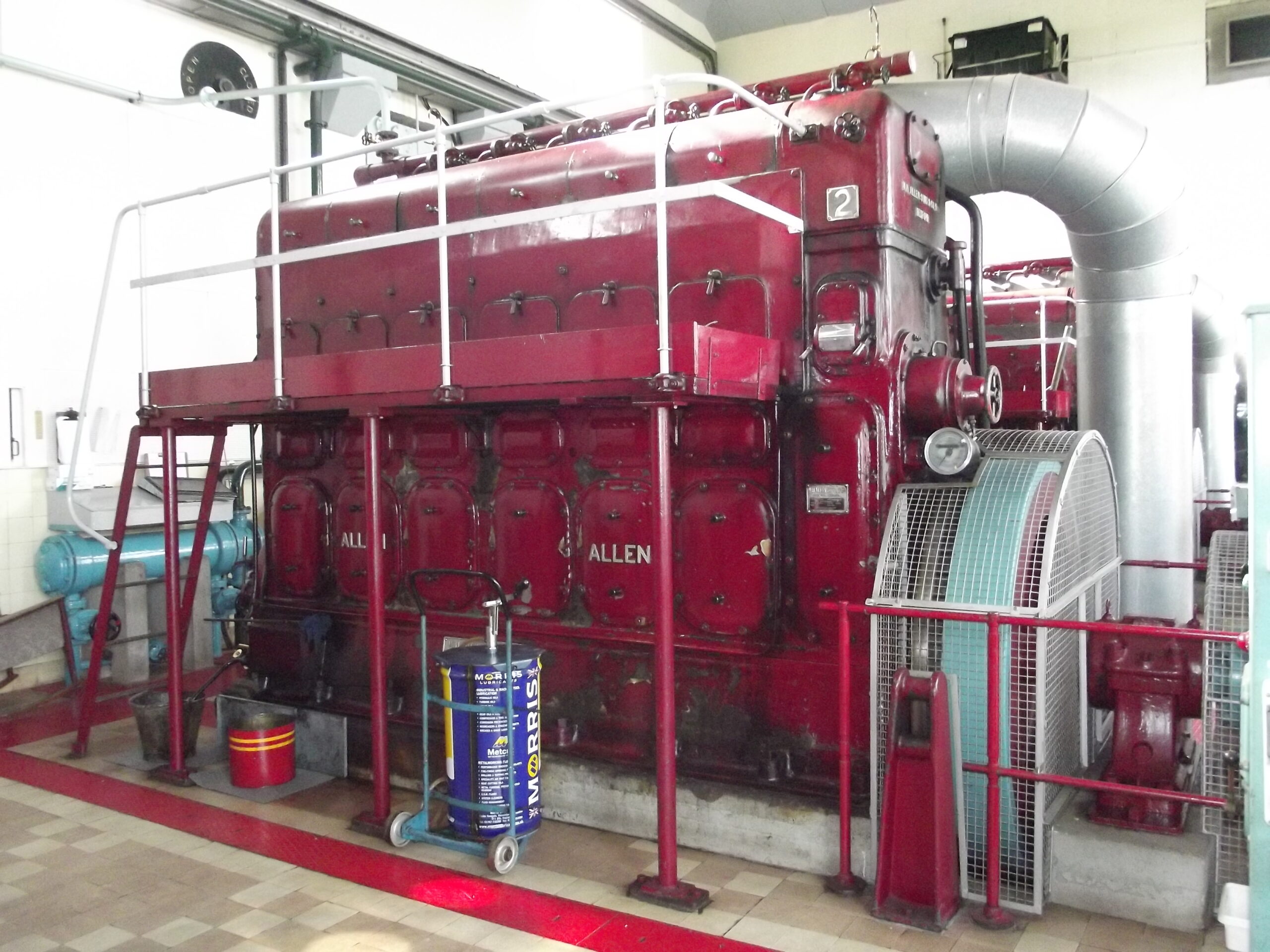
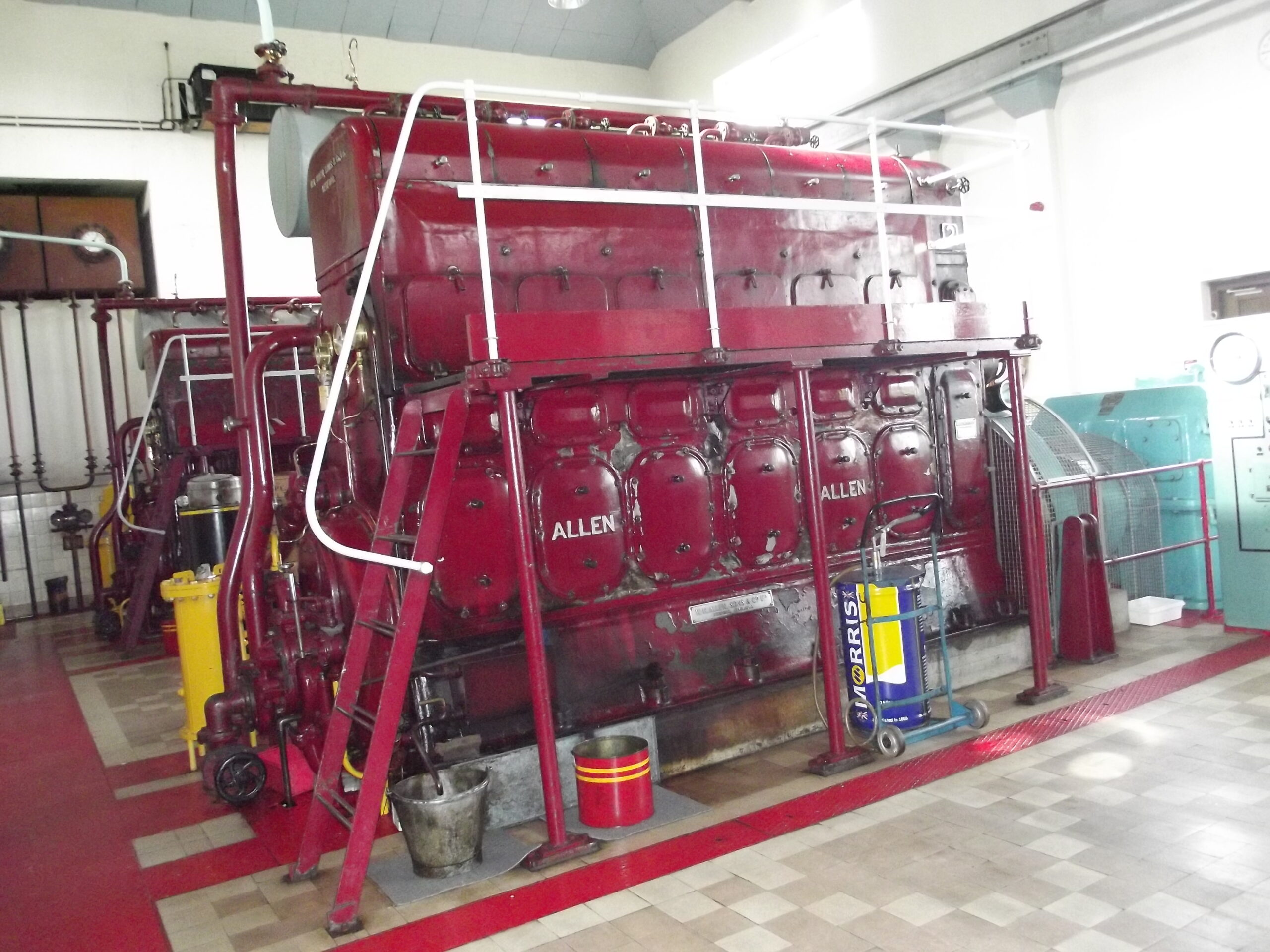
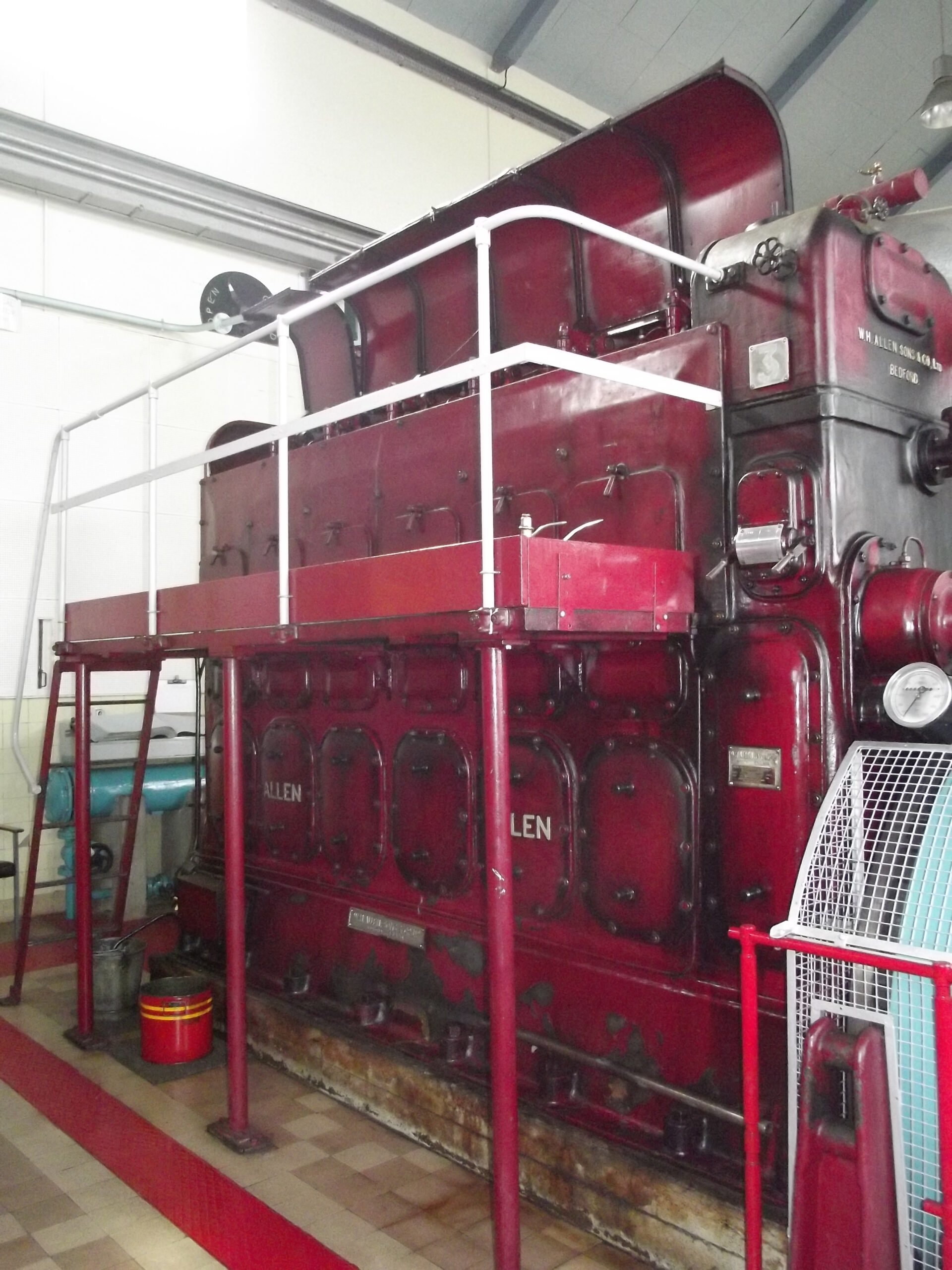
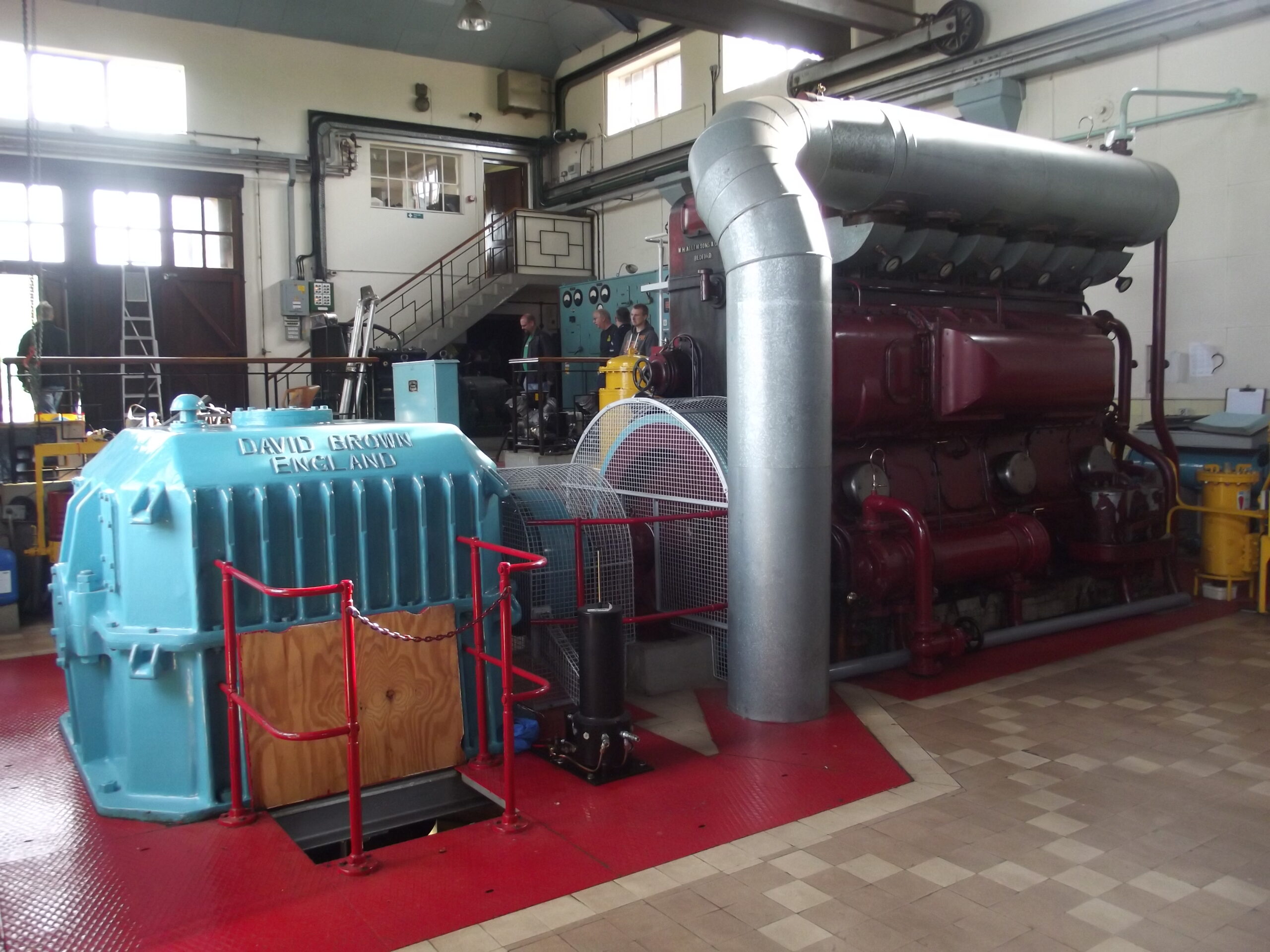
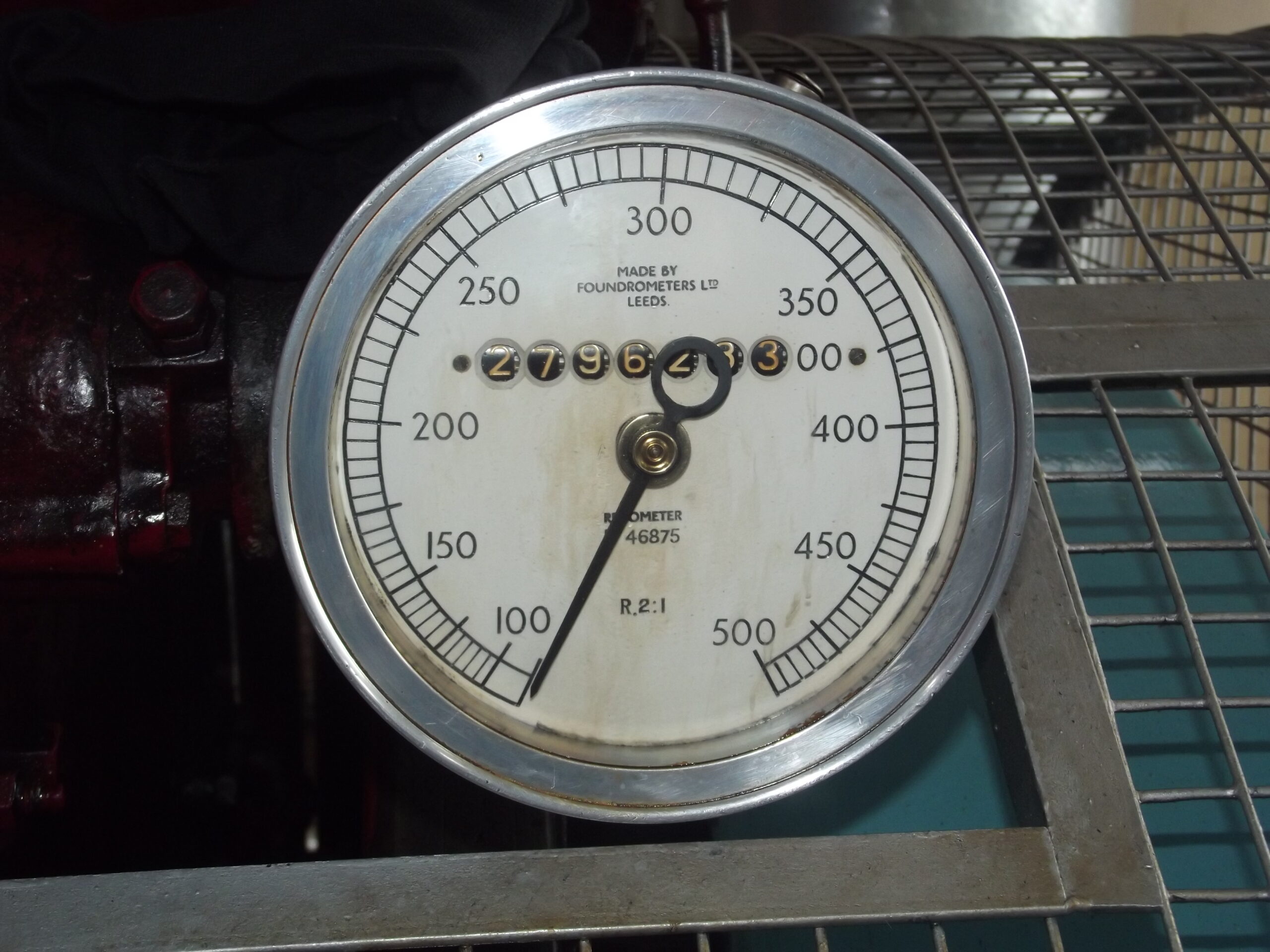
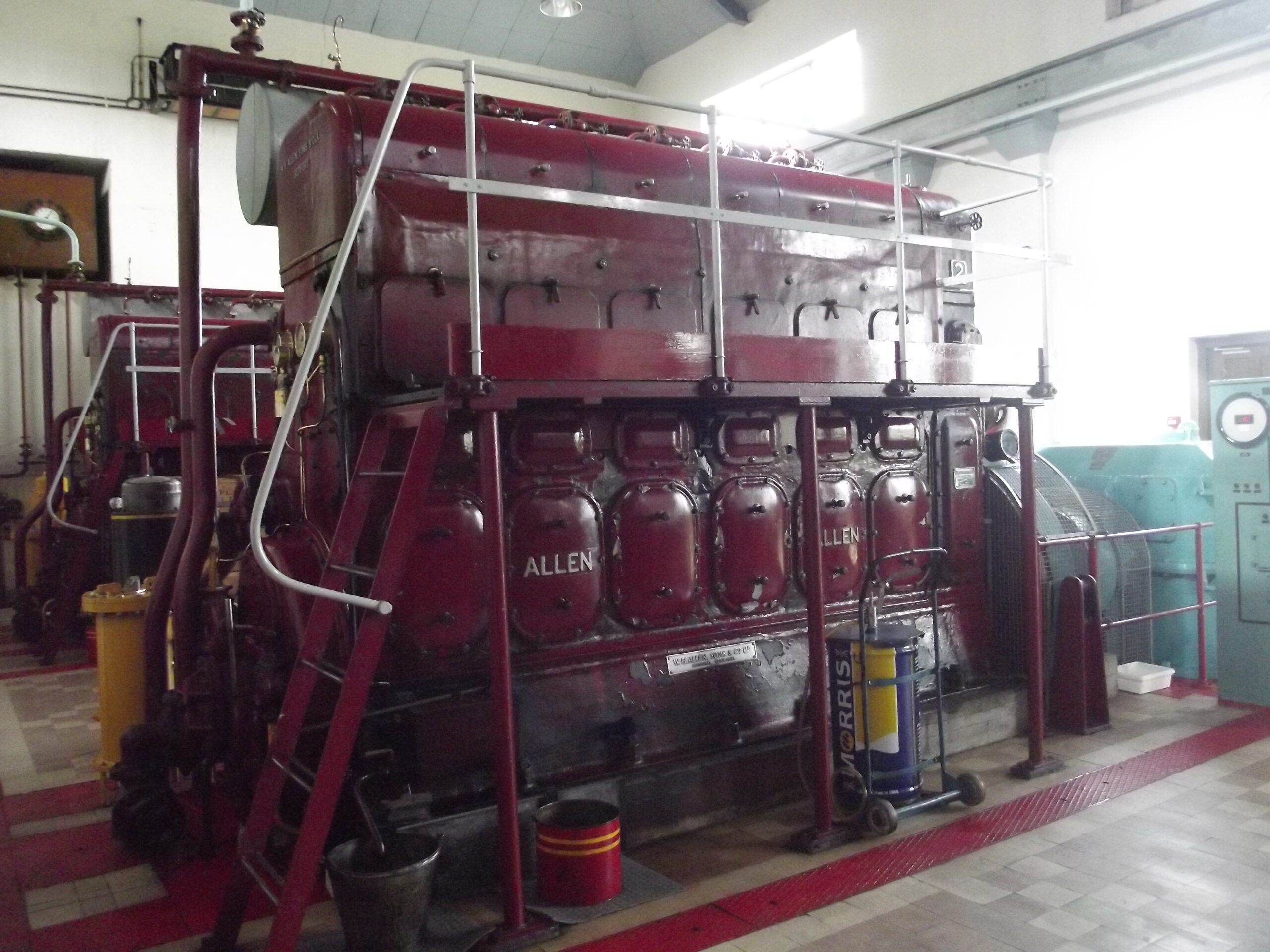
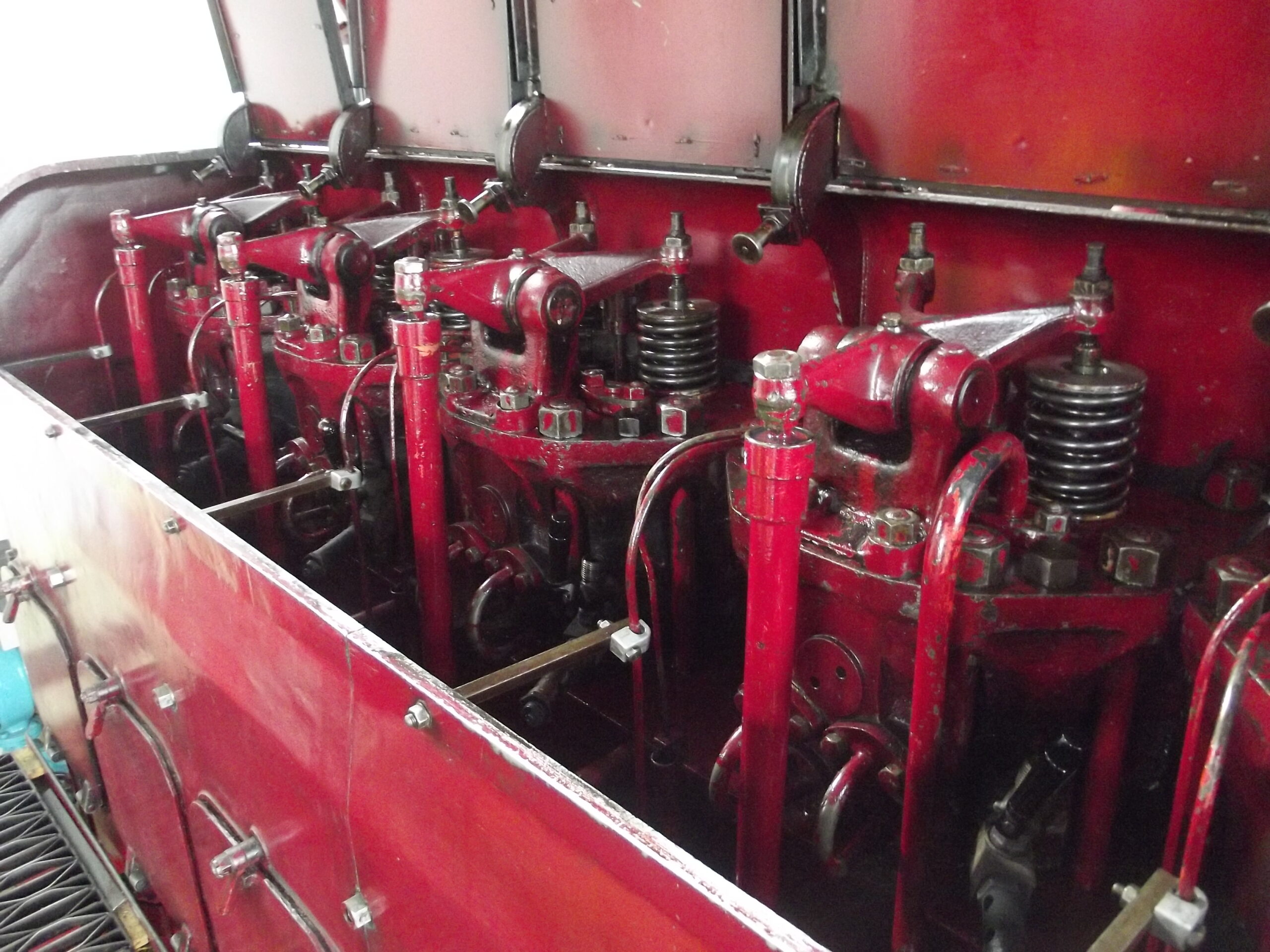
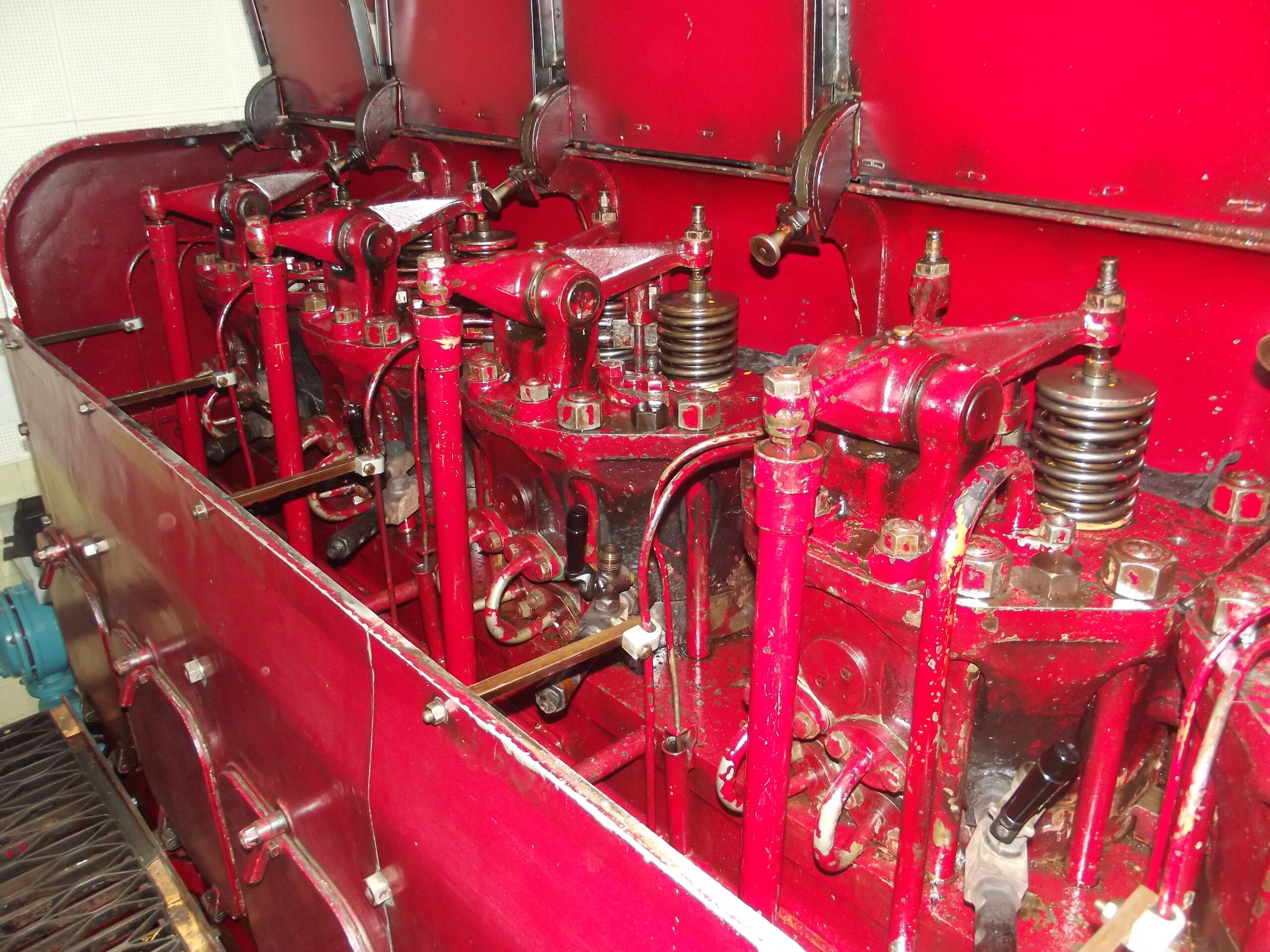
Rather than replace the old sluice, a new cut was made adjacent to the old one, specifically for the pumping station. The station features three 88inch diameter Allen vertical mixed flow pumps, each of which is capable of moving an impressive 9 tonnes of water per second! The pumps are each driven via David Brown gearboxes by 6 cylinder, 2 stroke Allen T47 diesel engines which are rated at 770bhp each. Each of these three engines is said to consume 18gallons of diesel per hour when working on load.


A few shots showing the Allen T47’s.
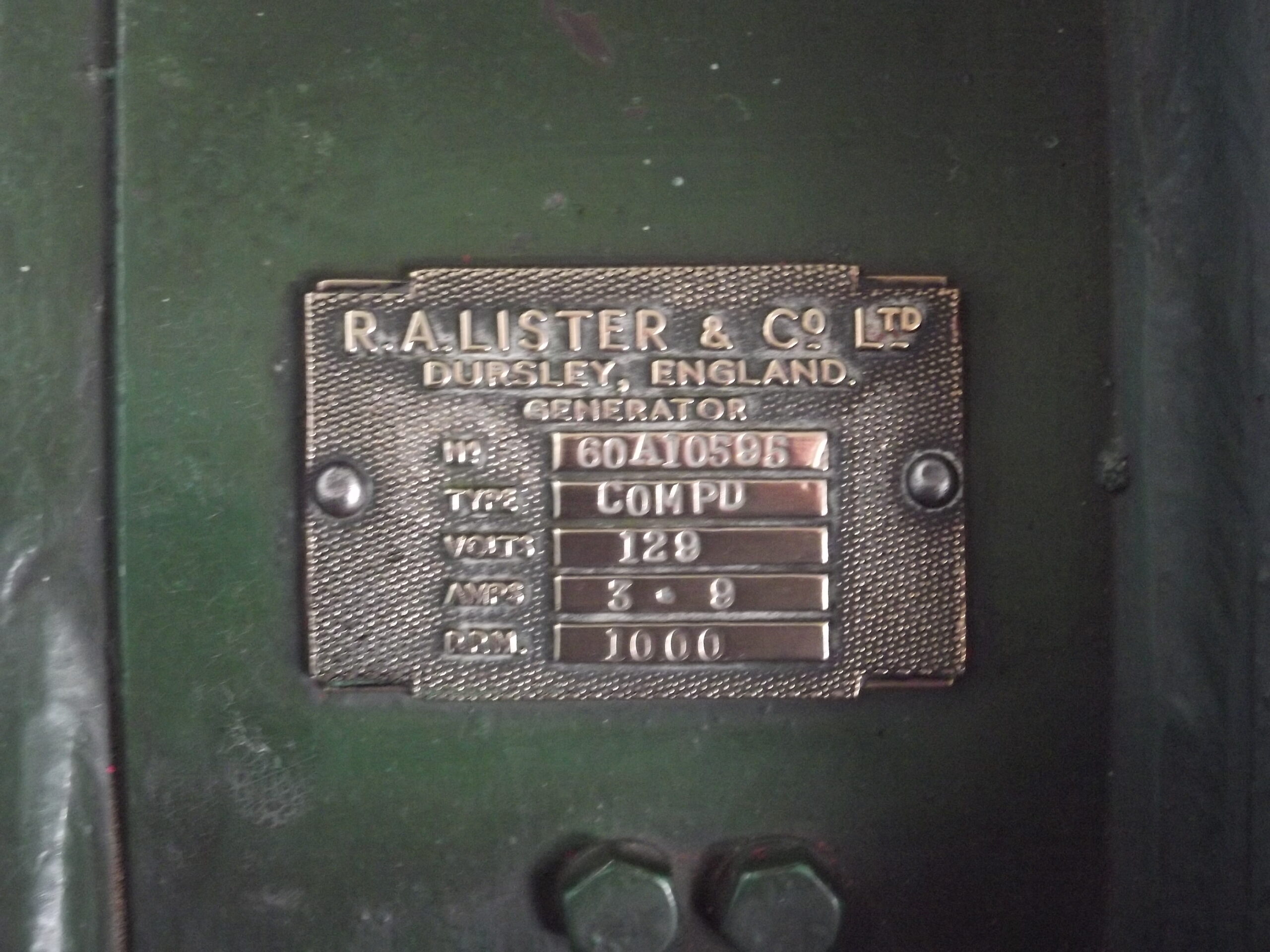
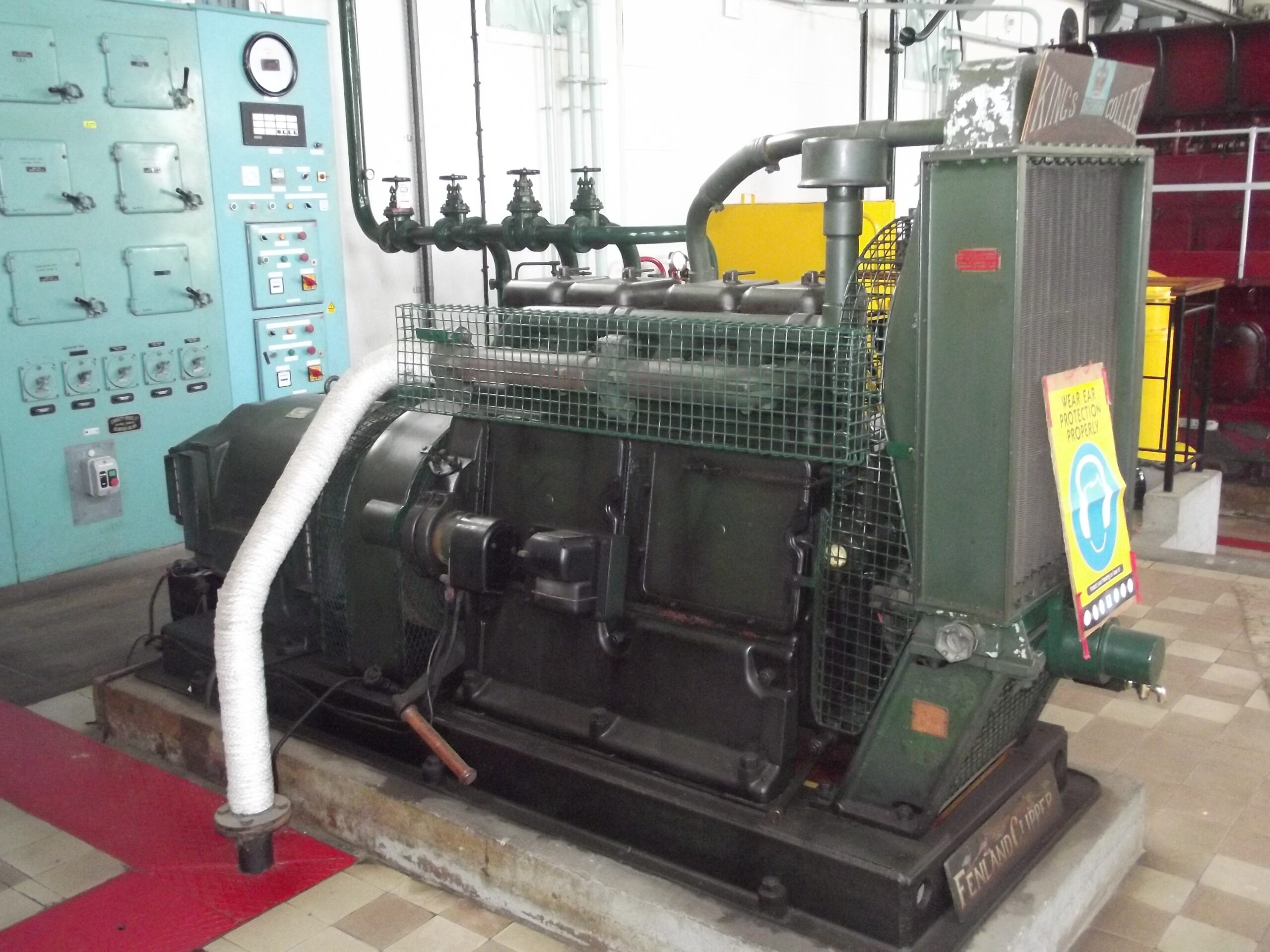
As well as the Allen engines, Hobhole also features a Lister JP4 generating set, which was used as a standby generator in case of mains failure. We were told that should the mains have failed there was a 3 minute window to start the Lister, to provide power to the circulating pumps for the cooling water, before the Allen’s would start to overheat and cause catastrophic damage.


The Lister JP4 generating plant
Circulating pumps for the cooling water.
The pumping station was by no means the last part of the story at Hobhole, as following yet more flooding in 1981 the decision was taken to add to the pumping capacity. By 1988 a new electric pumping station had been built in place of the original sluices at the old cut. This station comprises of 4 850mm diameter Flygt submersible axial flow pumps. Great care was taken when installing the new pumps, to leave as much as the original structure in tact as possible. The total cost of the works for the electric station came to £680,000. The added capacity means that Hobhole can now pump a massive 36.7 tonnes of water every second!
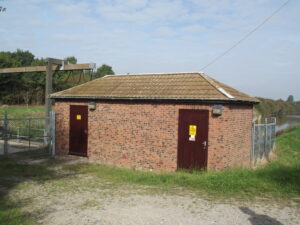
The electric pump house.


The control boards & pipe work for the electric pumps
Disaster almost hit the station in December 2013 when during the storm surge which saw extensive flooding of the East Coast in towns and cities such as Hull and Boston, the station came within a couple of inches of been breached. Had the water come much higher than serious damage would have been done, but thankfully it survived this scare.
How much longer the diesel house survives at Hobhole is unknown. The engines are now showing their age with very few spare parts available. It is rumoured that the drainage board are already looking at the long term viability of the station in its current format.
You must be logged in to like this post.
Country: GB