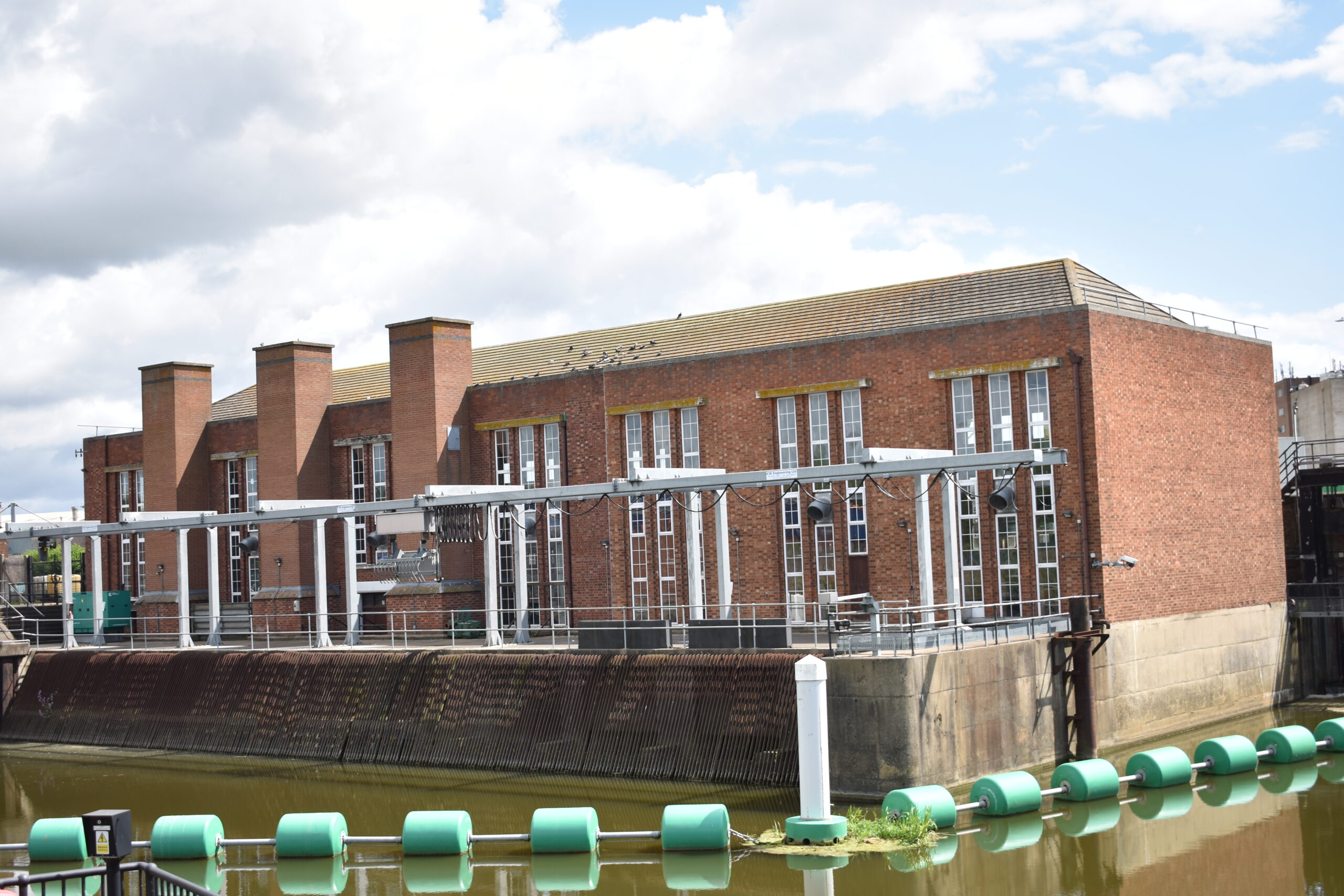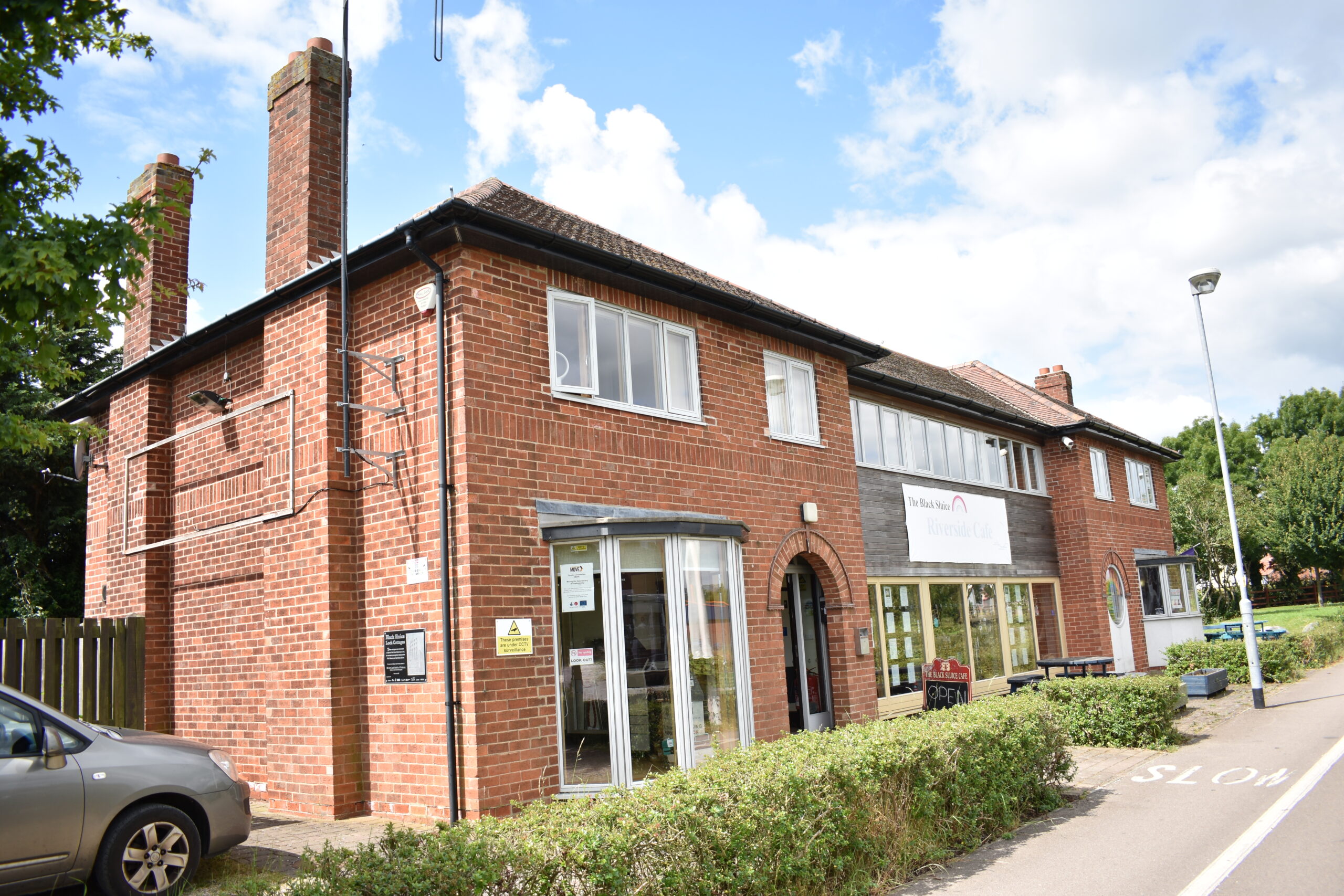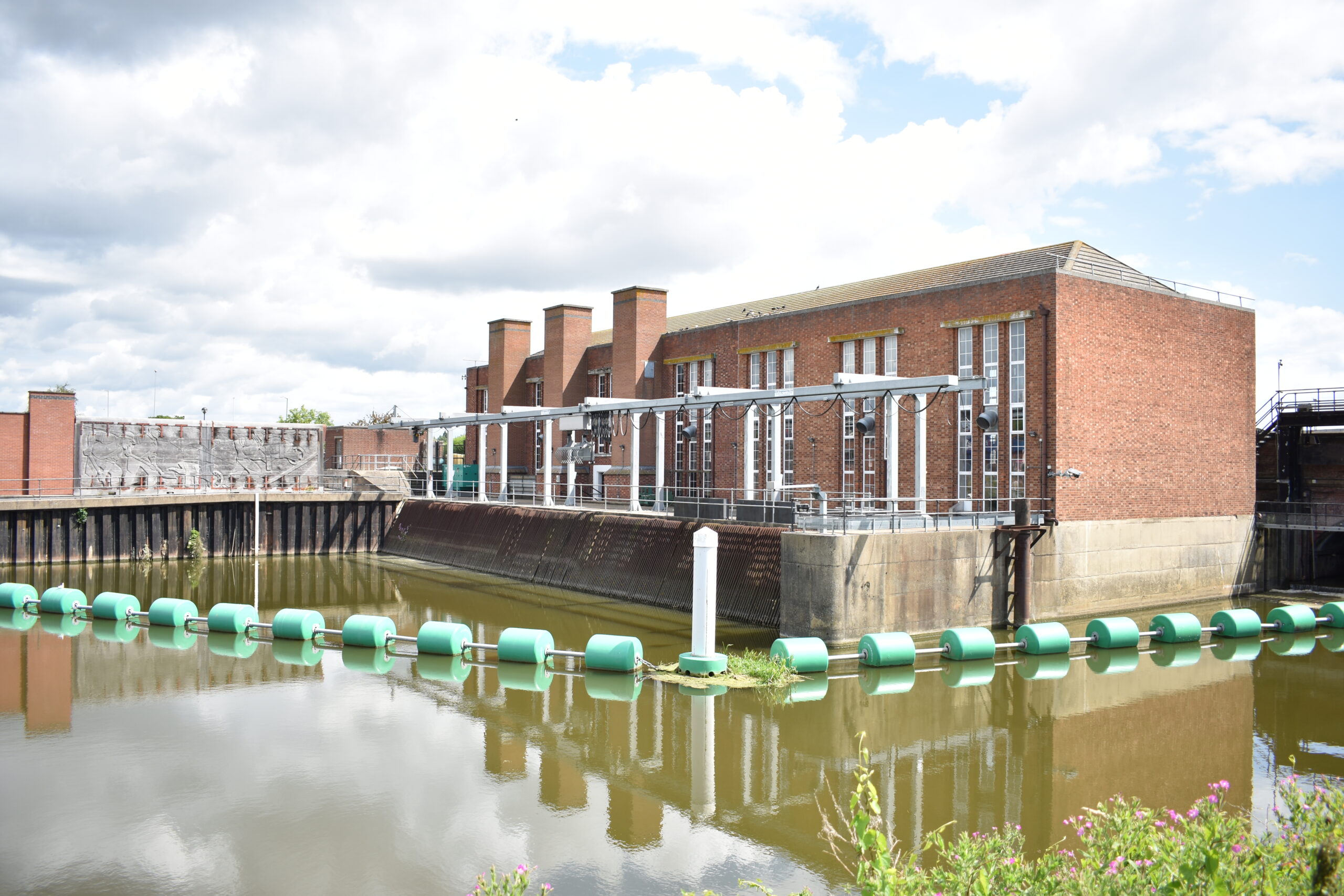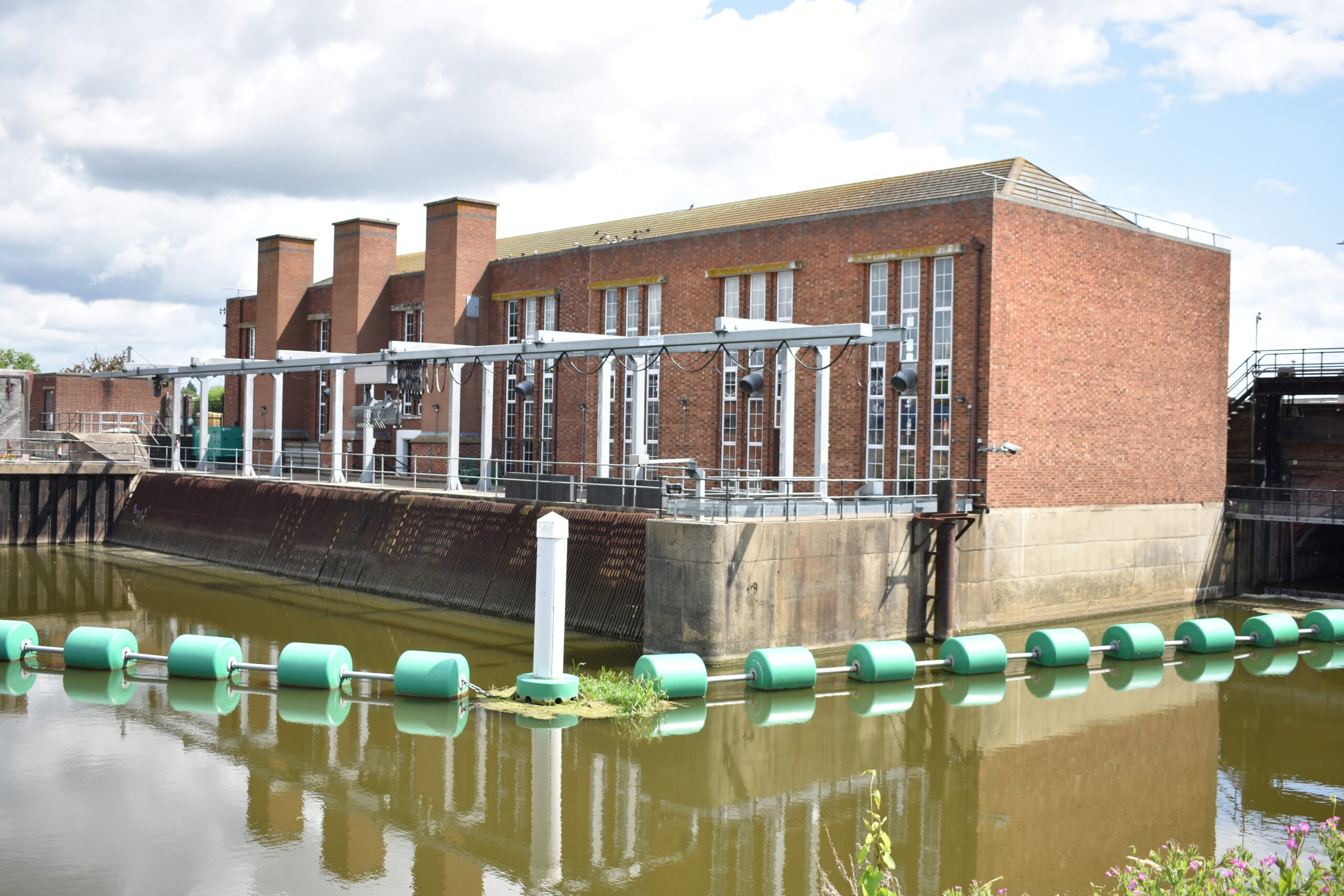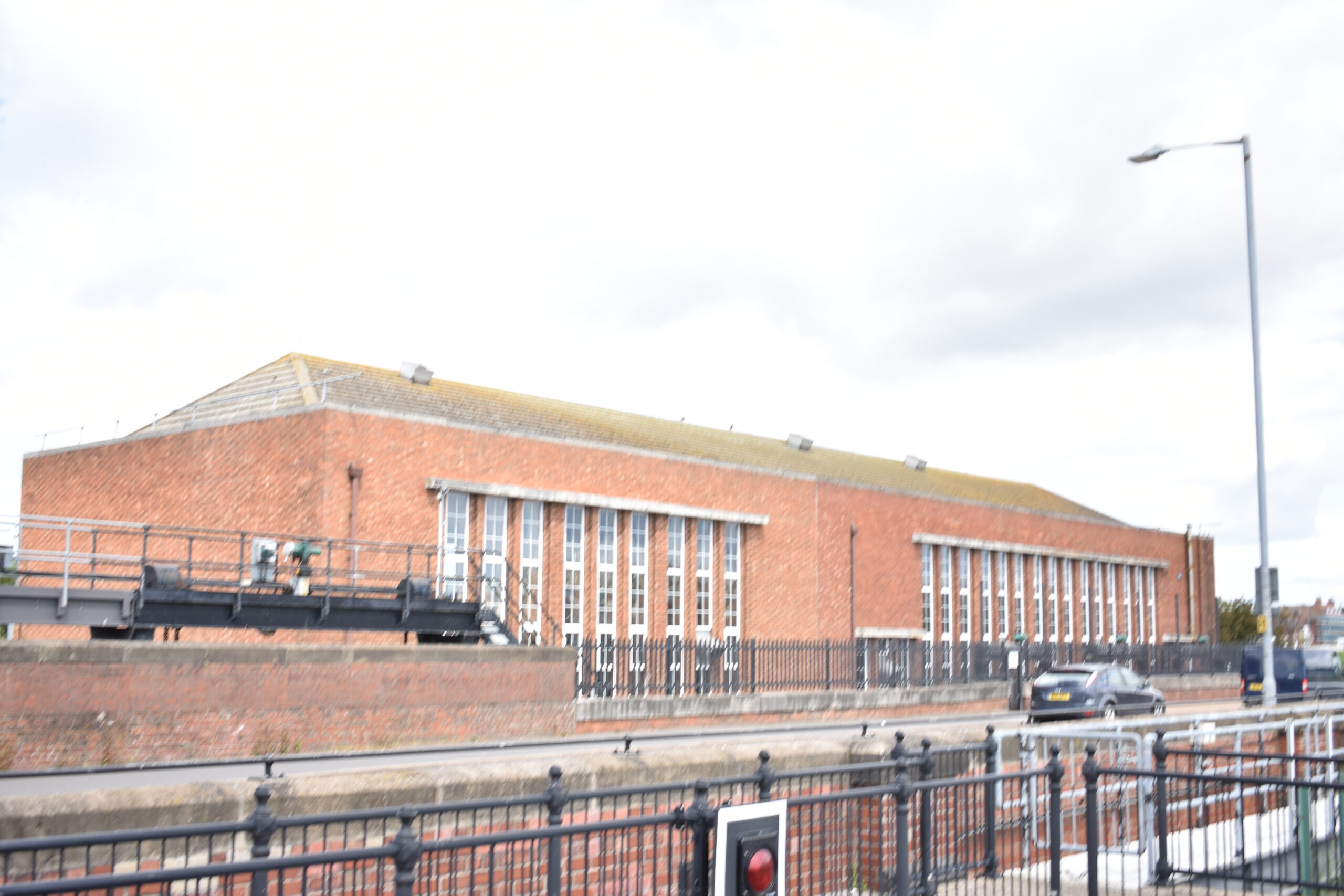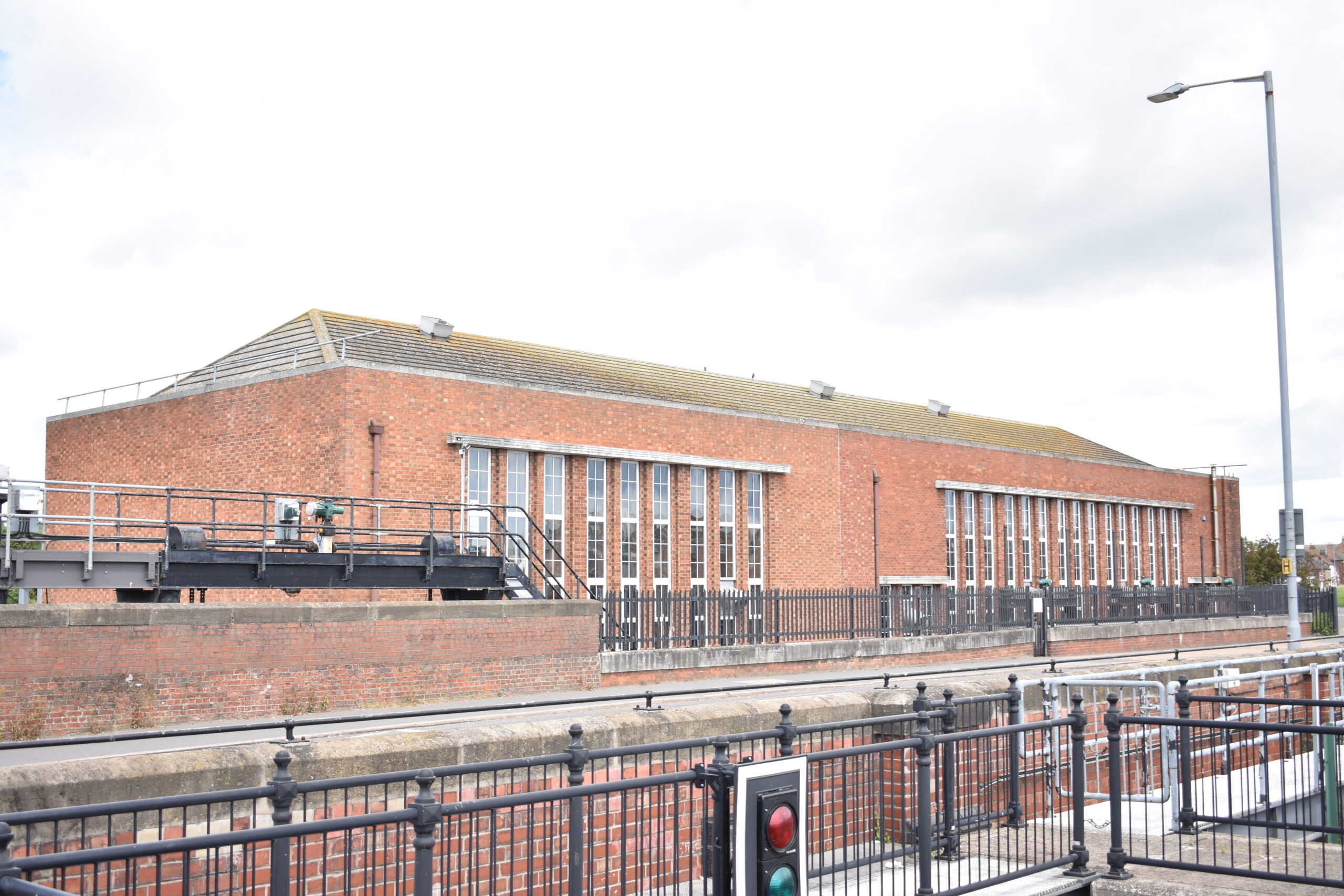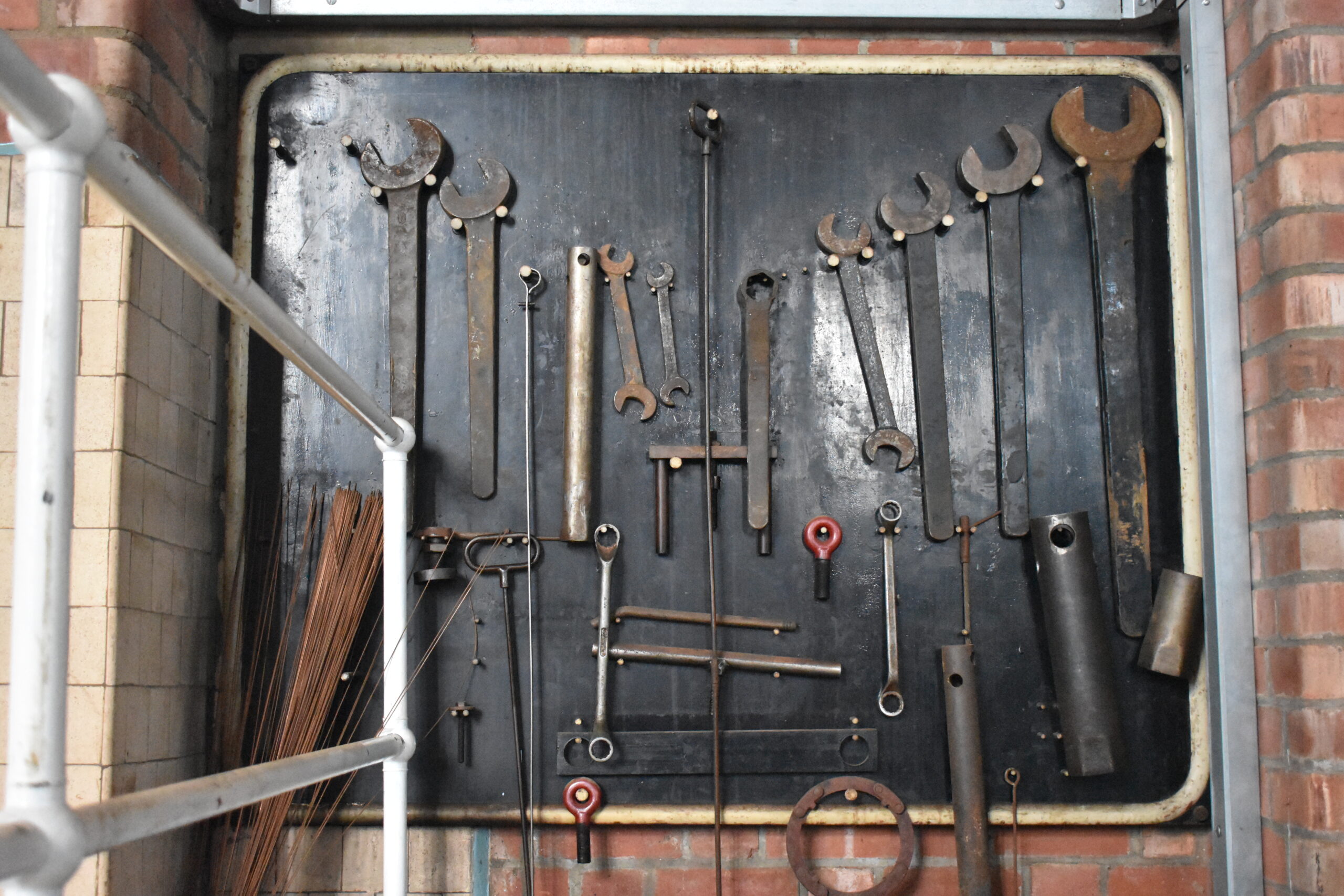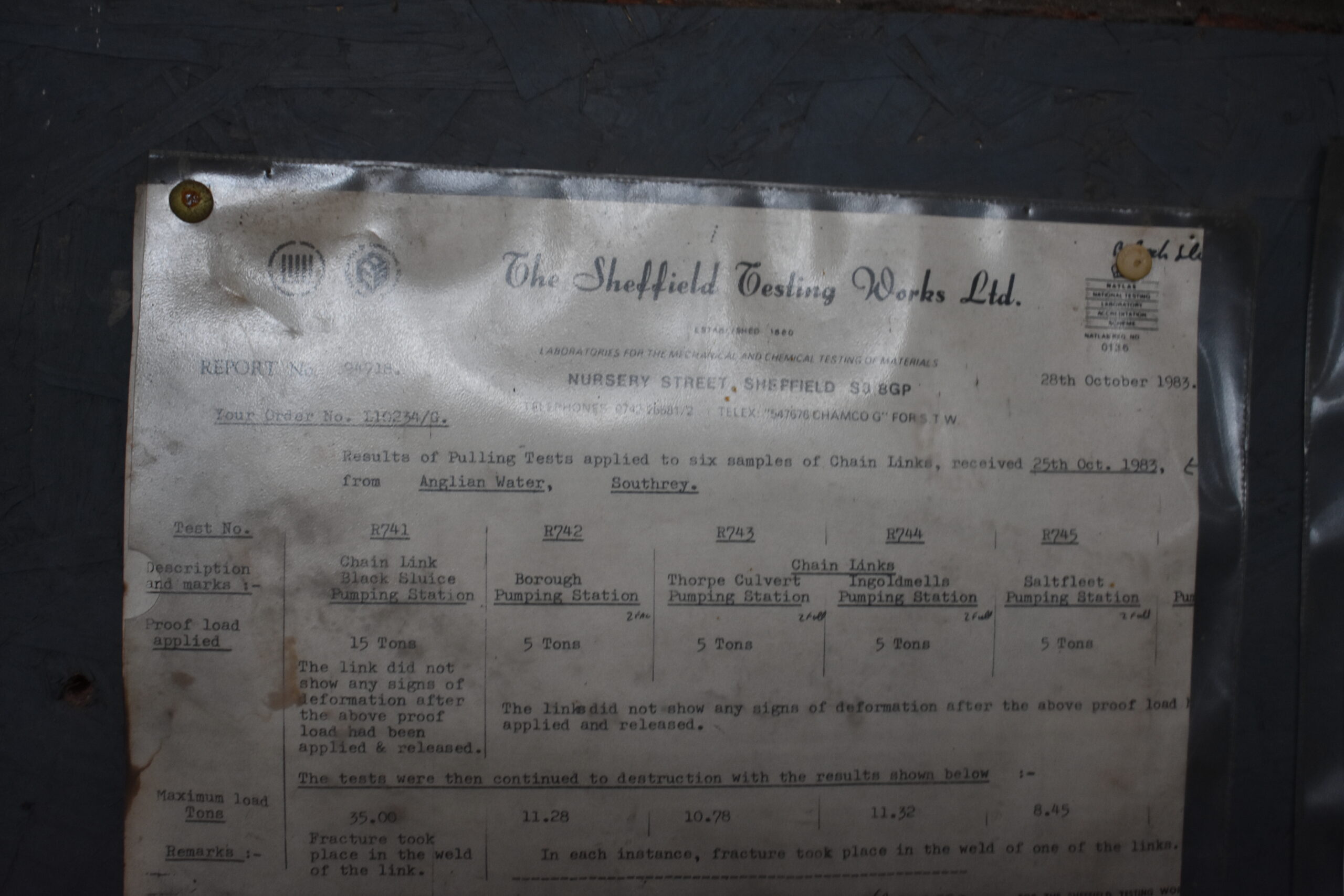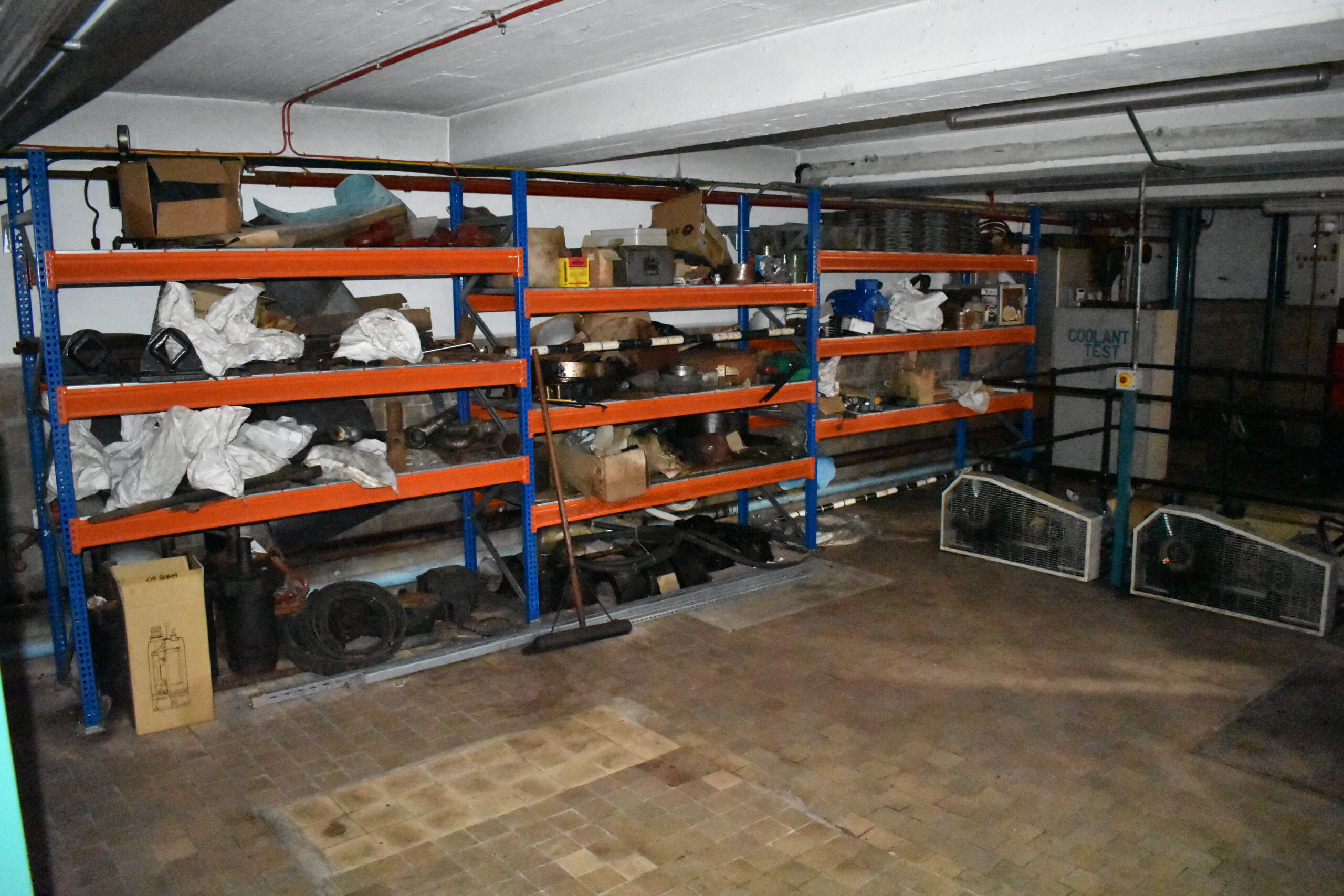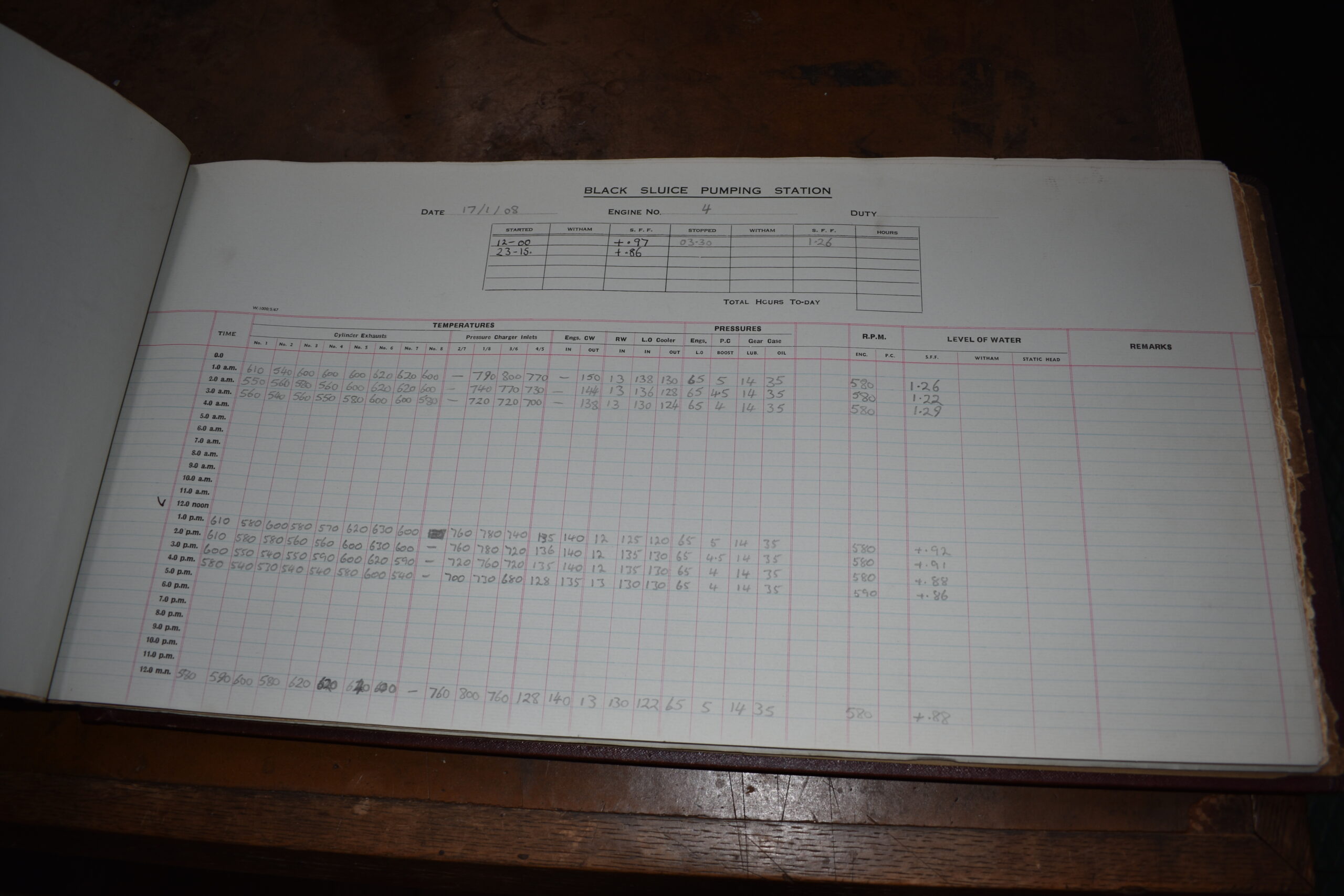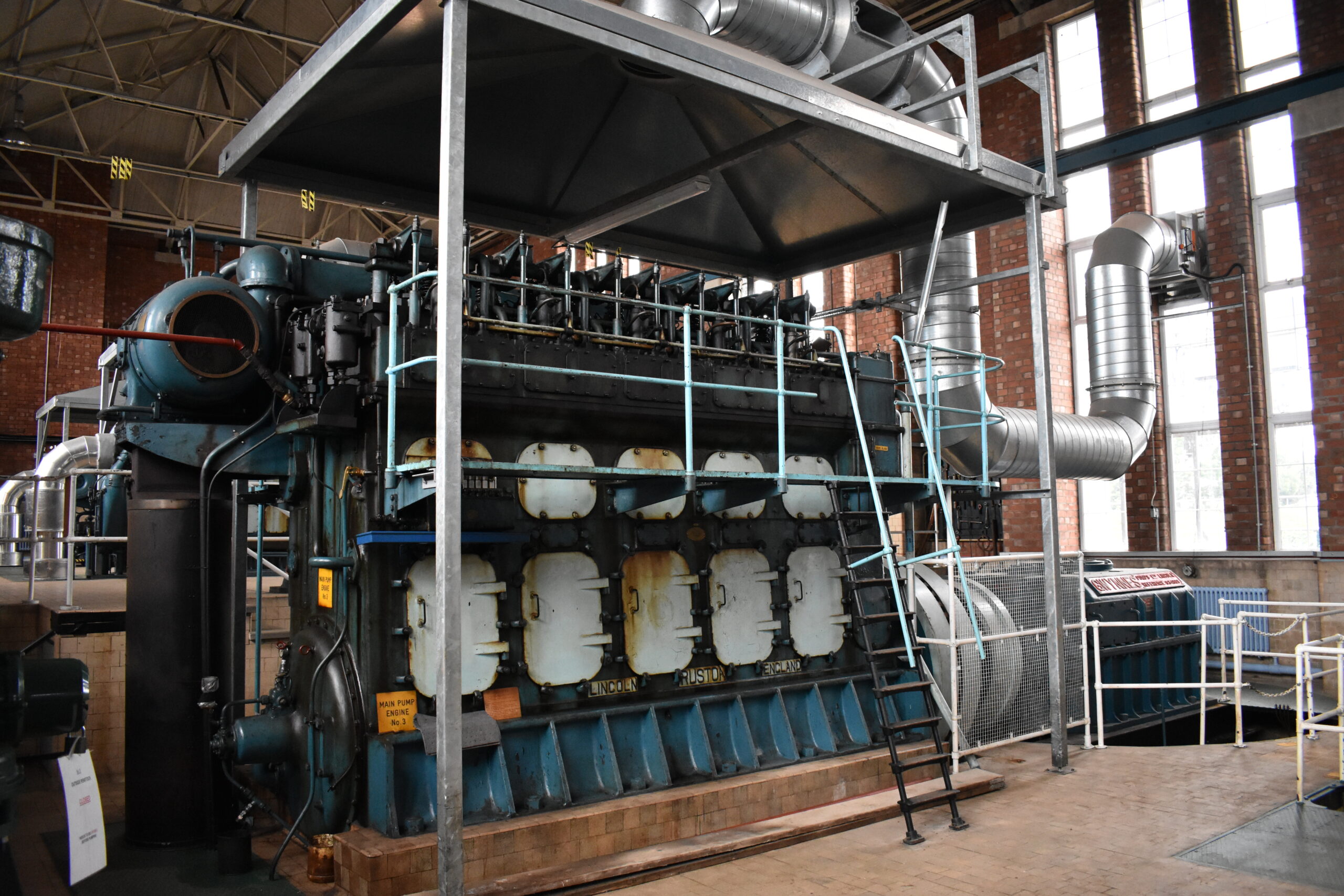
I have visited and reported on a number of old land drainage stations in both the Fens and the Isle of Axholme areas. These stations include the likes of Pode Hole, Lade Bank & Thorpe Culvert. The thing that most of these stations have in common is that they are found in remote areas often surrounded by agricultural land. The latest visit however took me into the centre of the Lincolnshire town of Boston to visit the vast station found at the outfall of the South 40ft Drain, Black Sluice Pumping Station which is maintained by the Environment Agency. The area drained by the South 40ft and ultimately via Black sluice comprises of over 112,000 acres of land, of which 102,00 acres are below sea level at high tide.
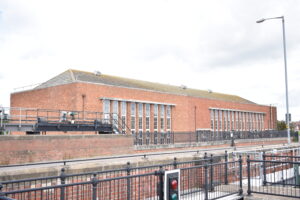
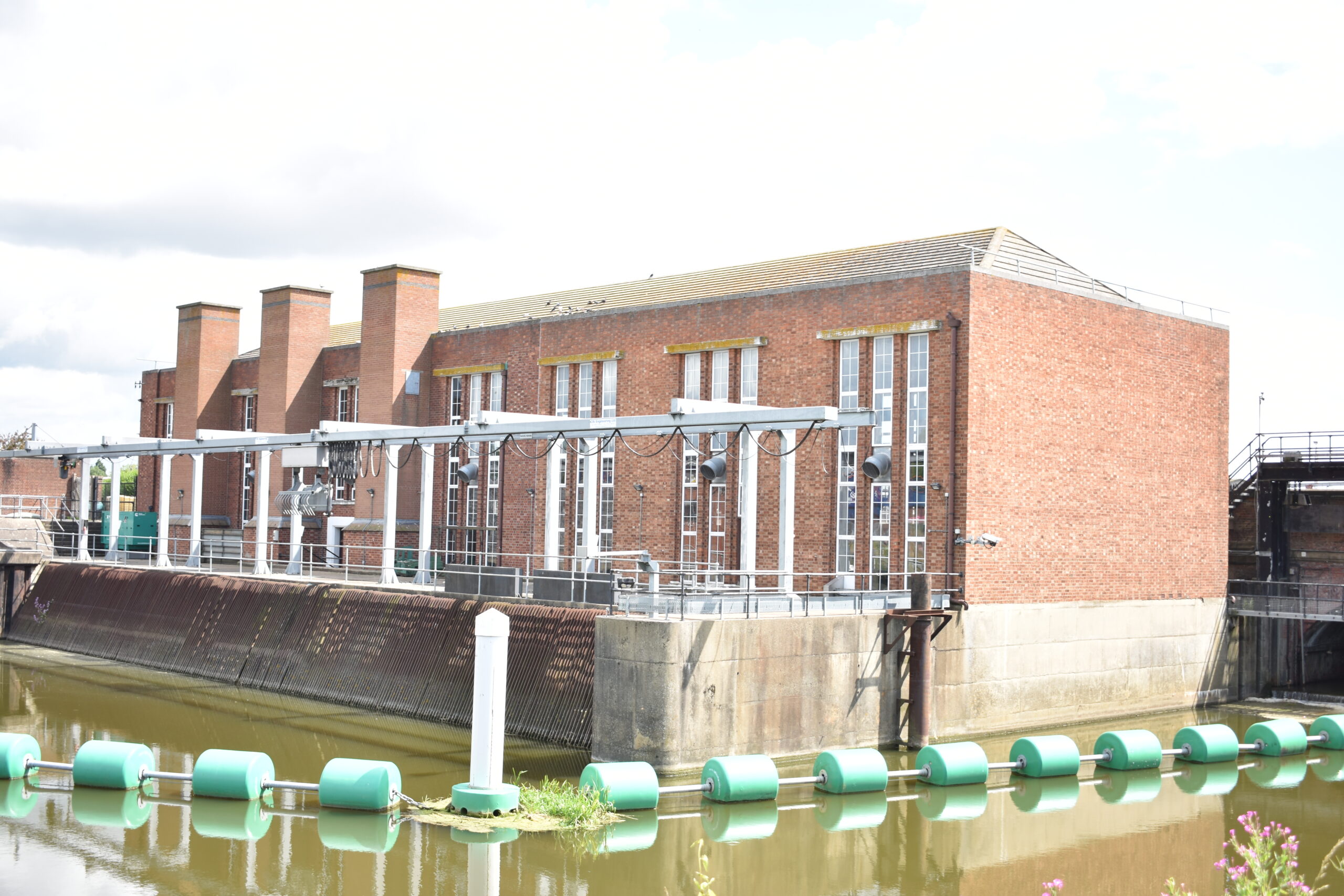
The Station is located on London Road in the centre of Boston
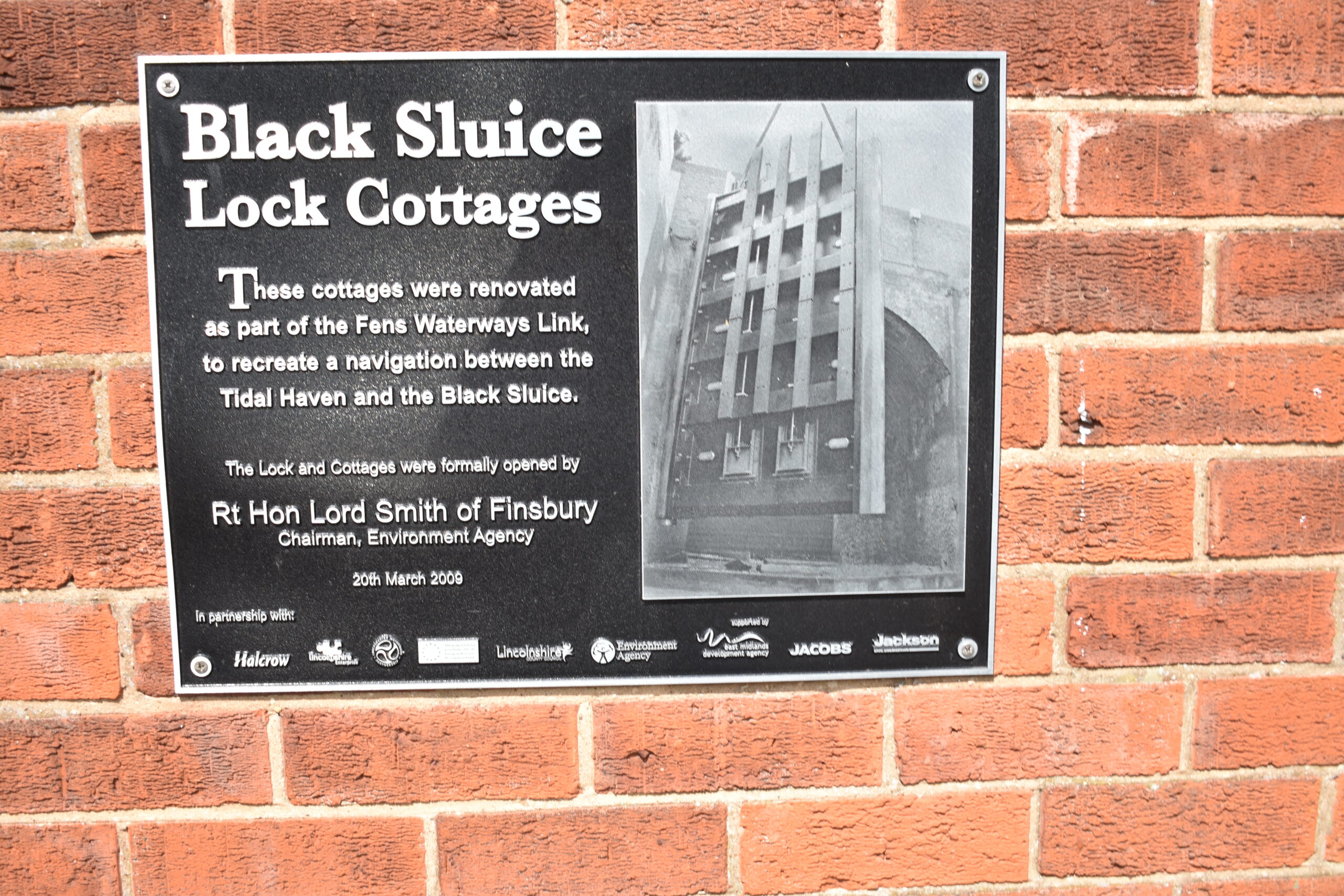
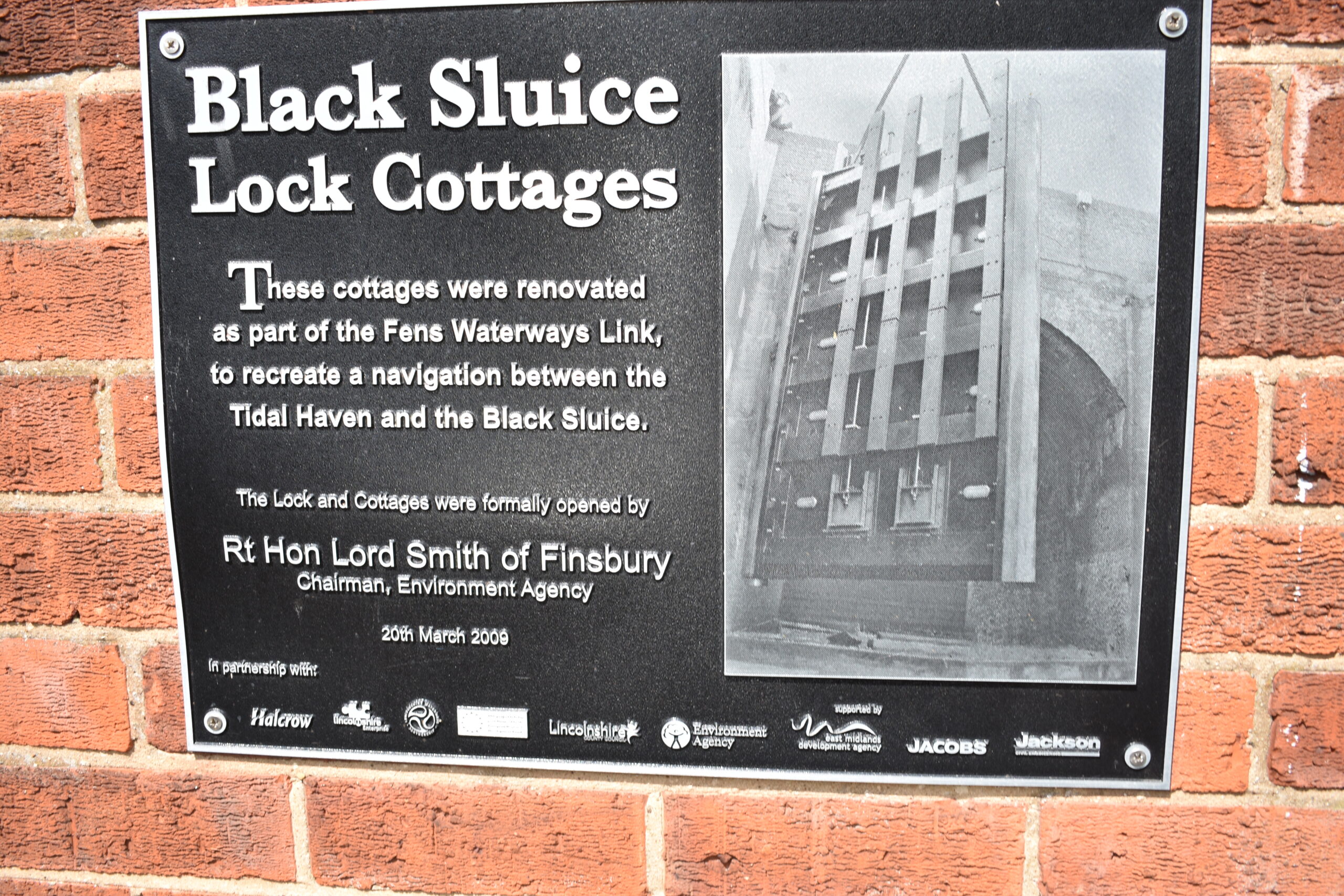
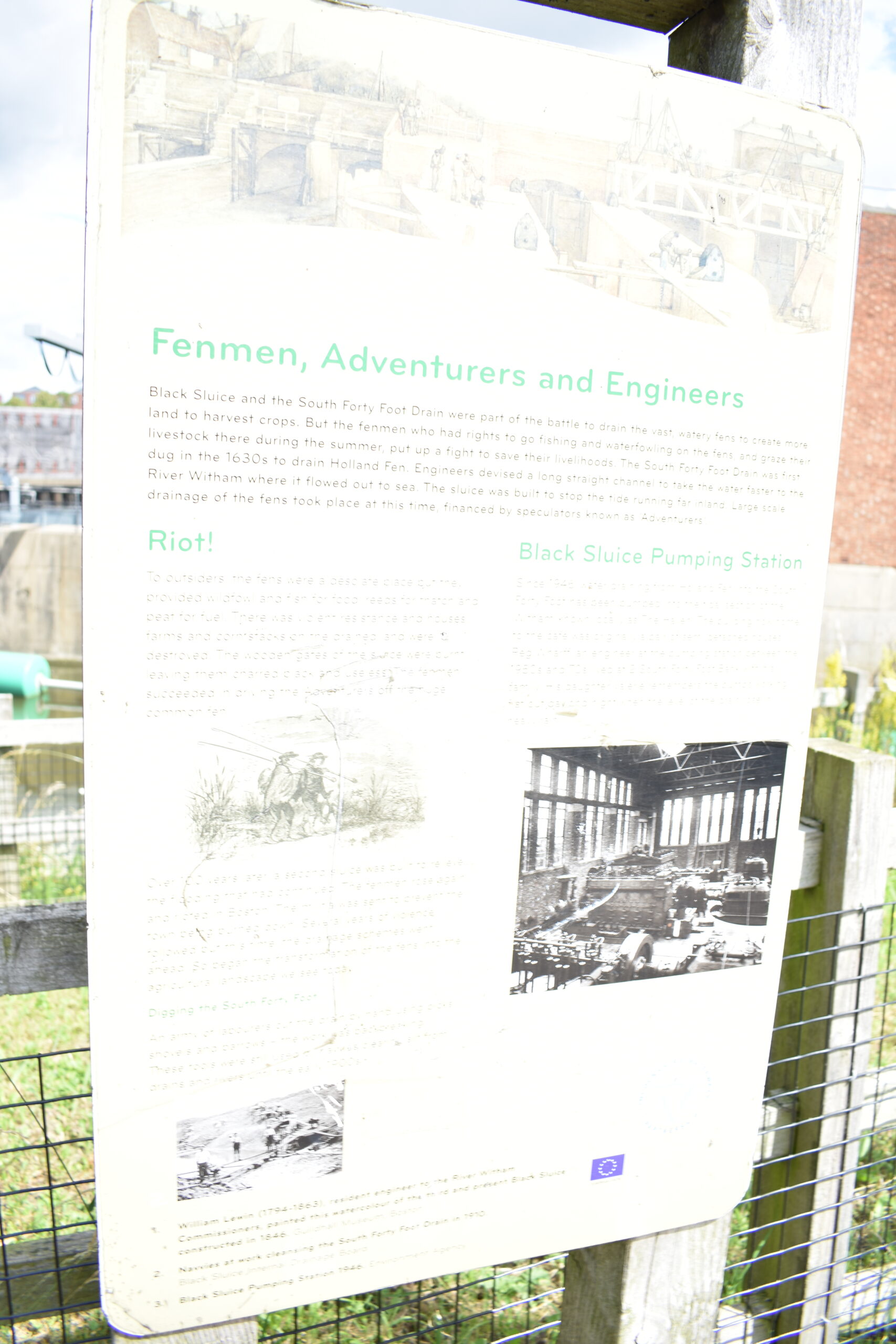
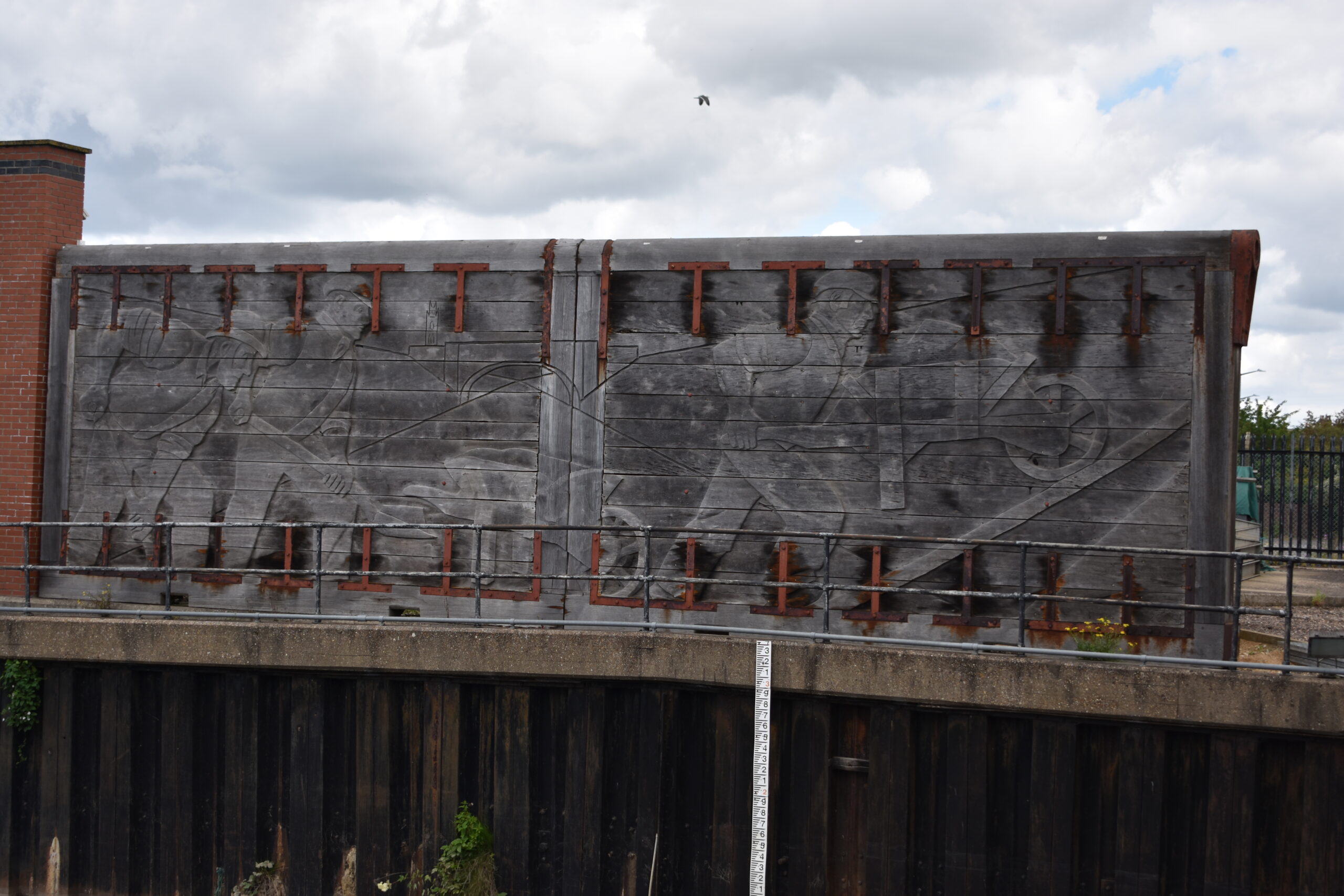
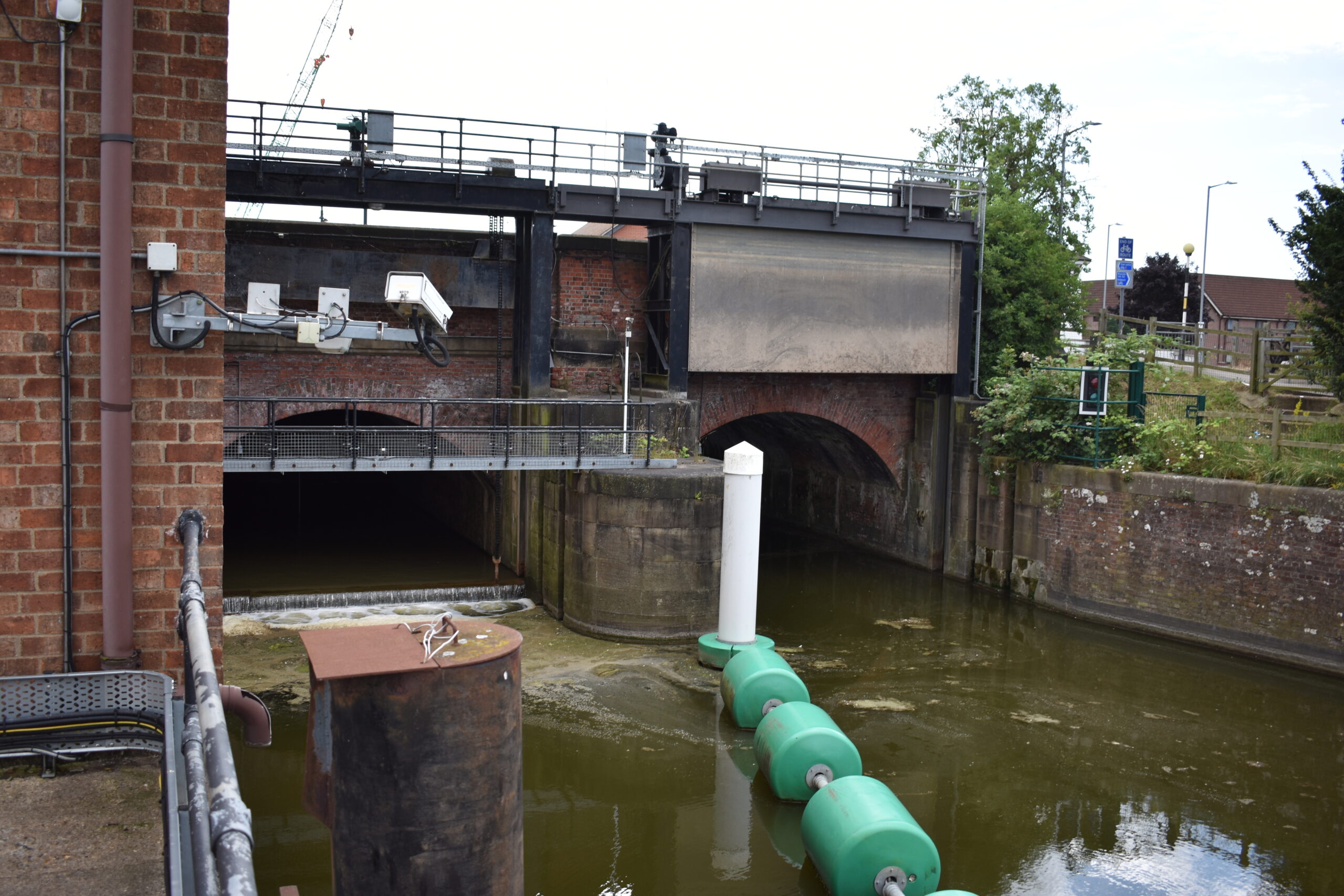
The story of drainage at Black sluice starts all the way back in the 17th Century, when work began on the South 40ft drain and an outfall sluice gate to allow discharge into the River Witham in Boston. At the time the original sluice proved unpopular with some of the Fenland residents as it affected their livelihood, with two of the main occupations at the time in the area comprising of Wildfowling and eeling. Things were so fraught at times that the original sluice was even burned in an attempt to stop the drainage. The sluice was quickly rebuilt and it remained in service until 1850, when it was replaced with a newer sluice & a navigation lock. The 1850 sluice is still in place and following some re-commissioning work is still in use to this day.
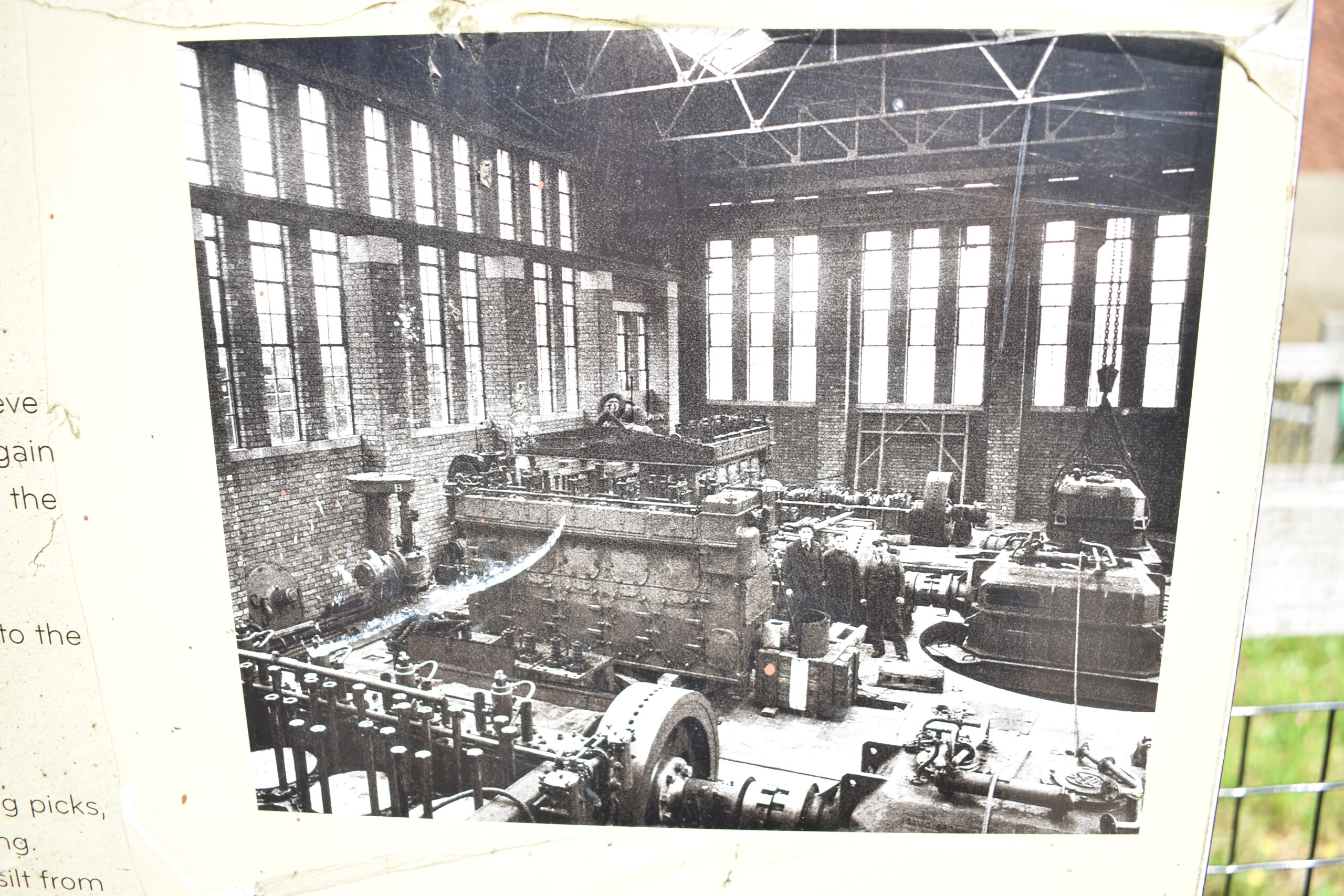
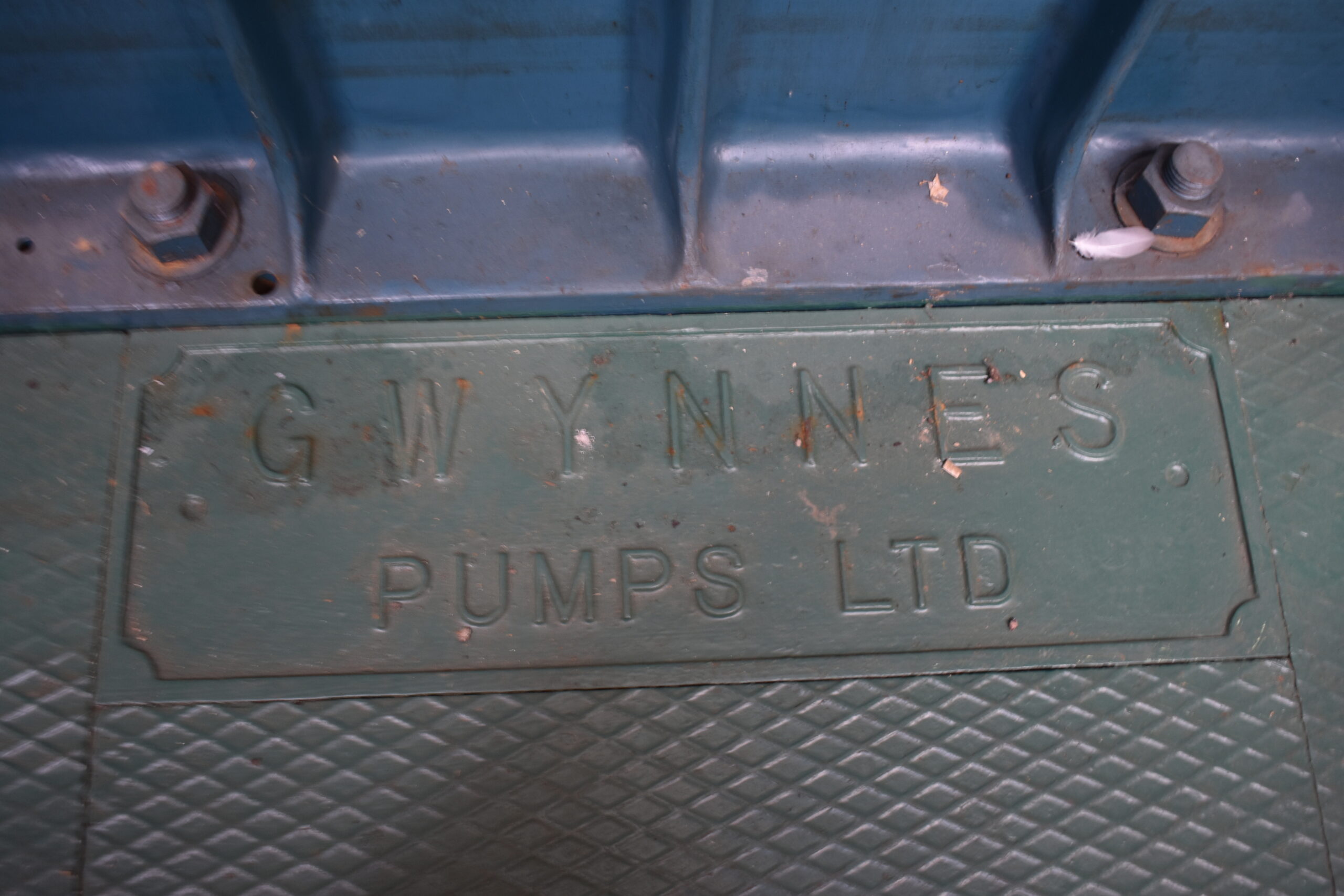
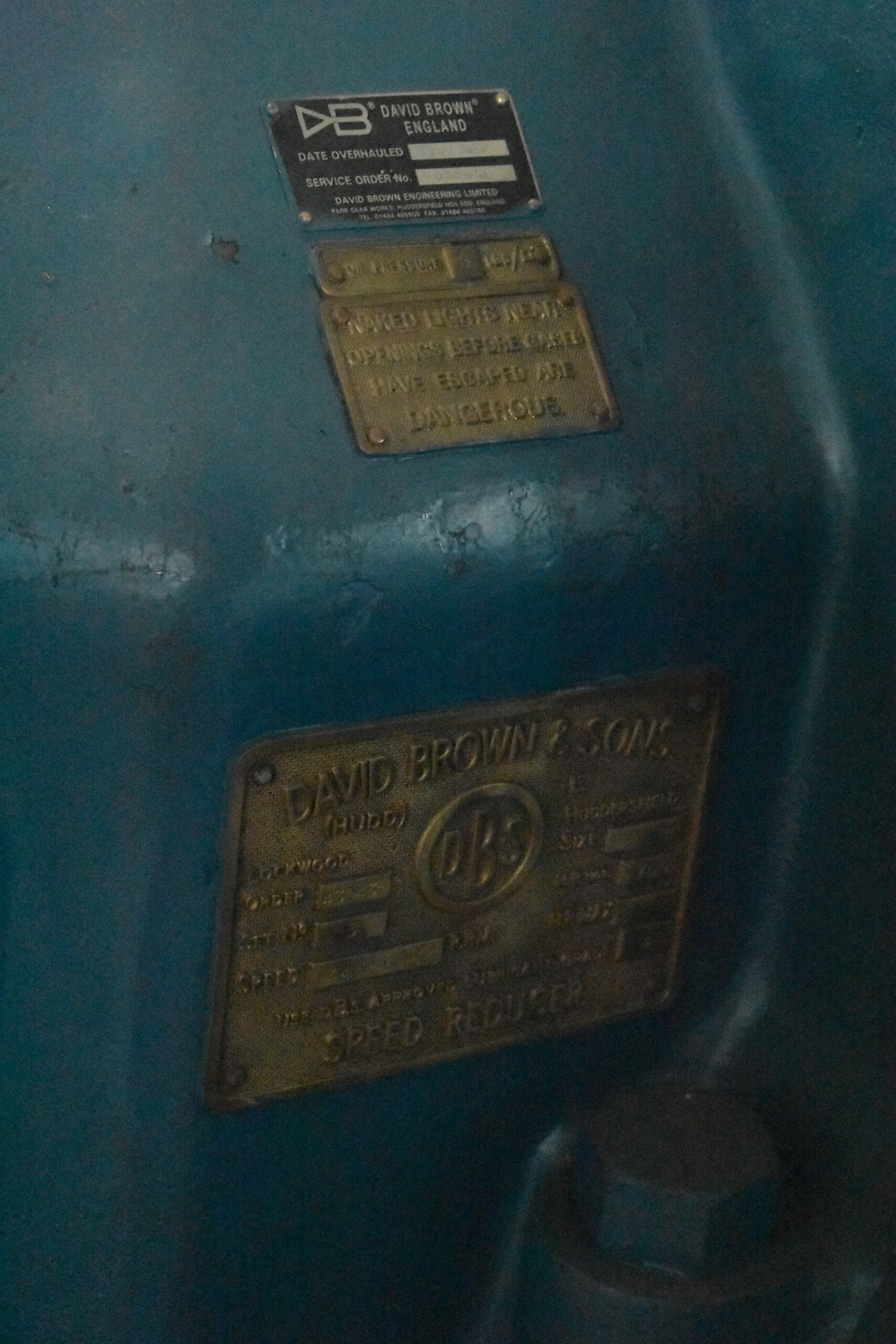
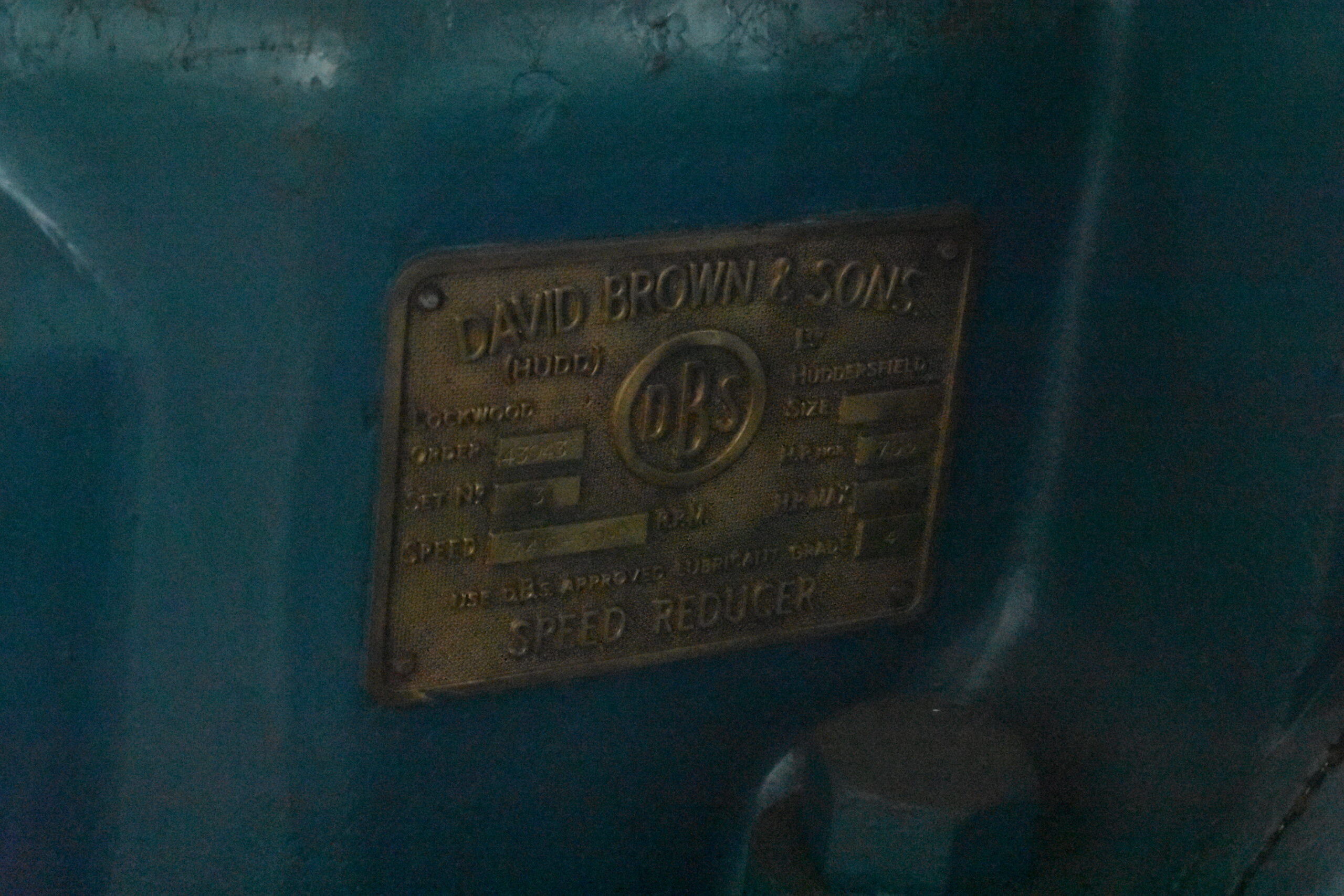
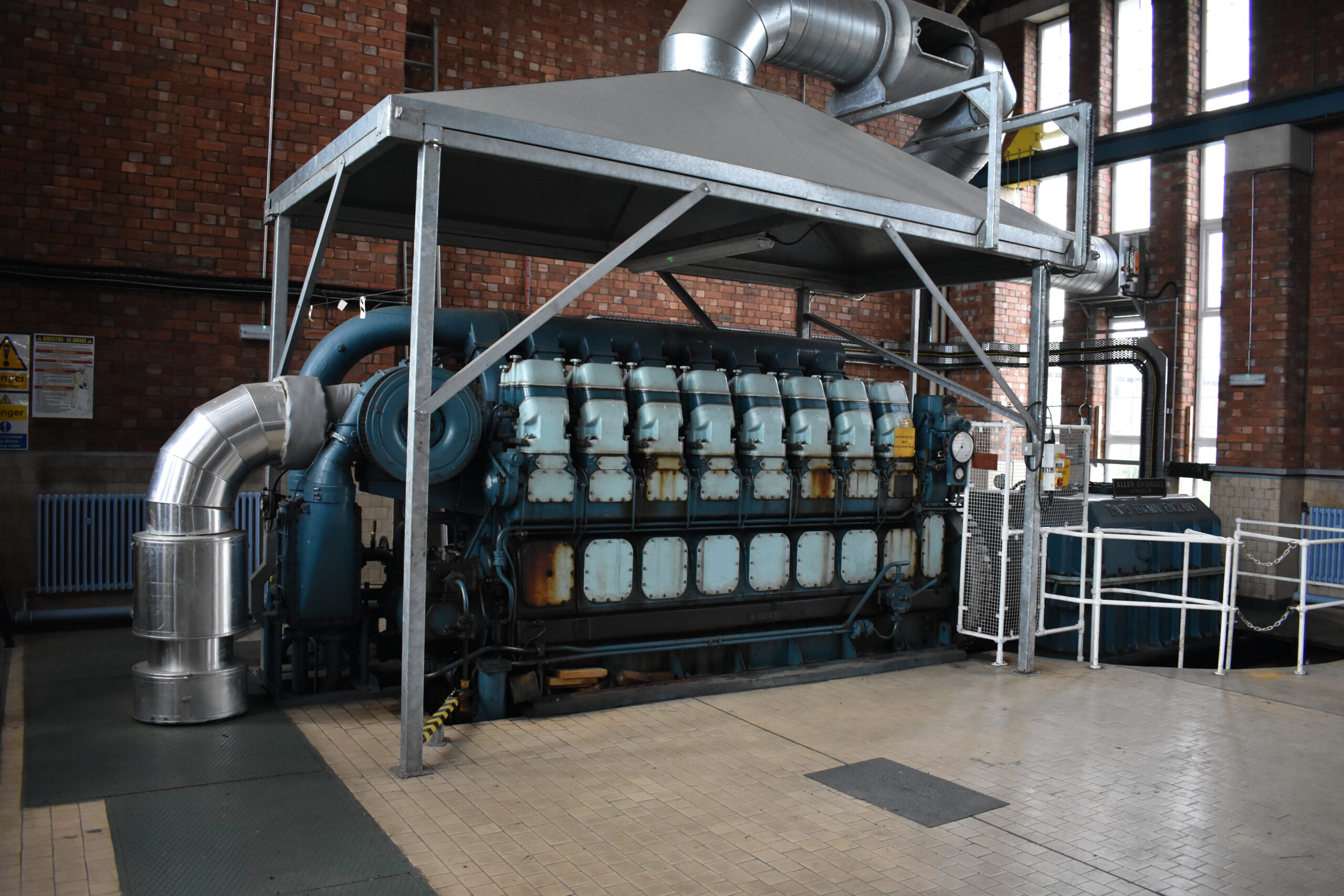
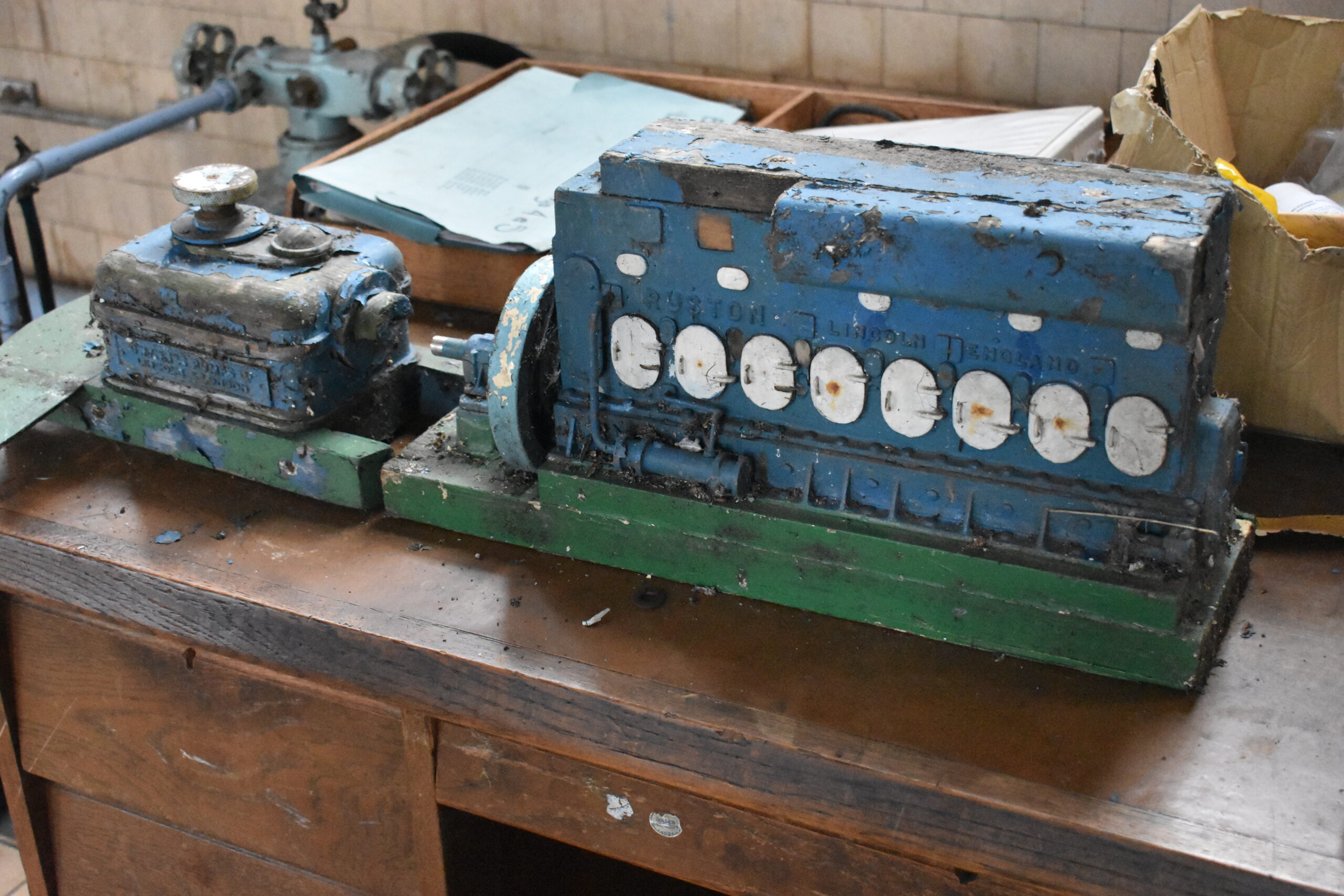
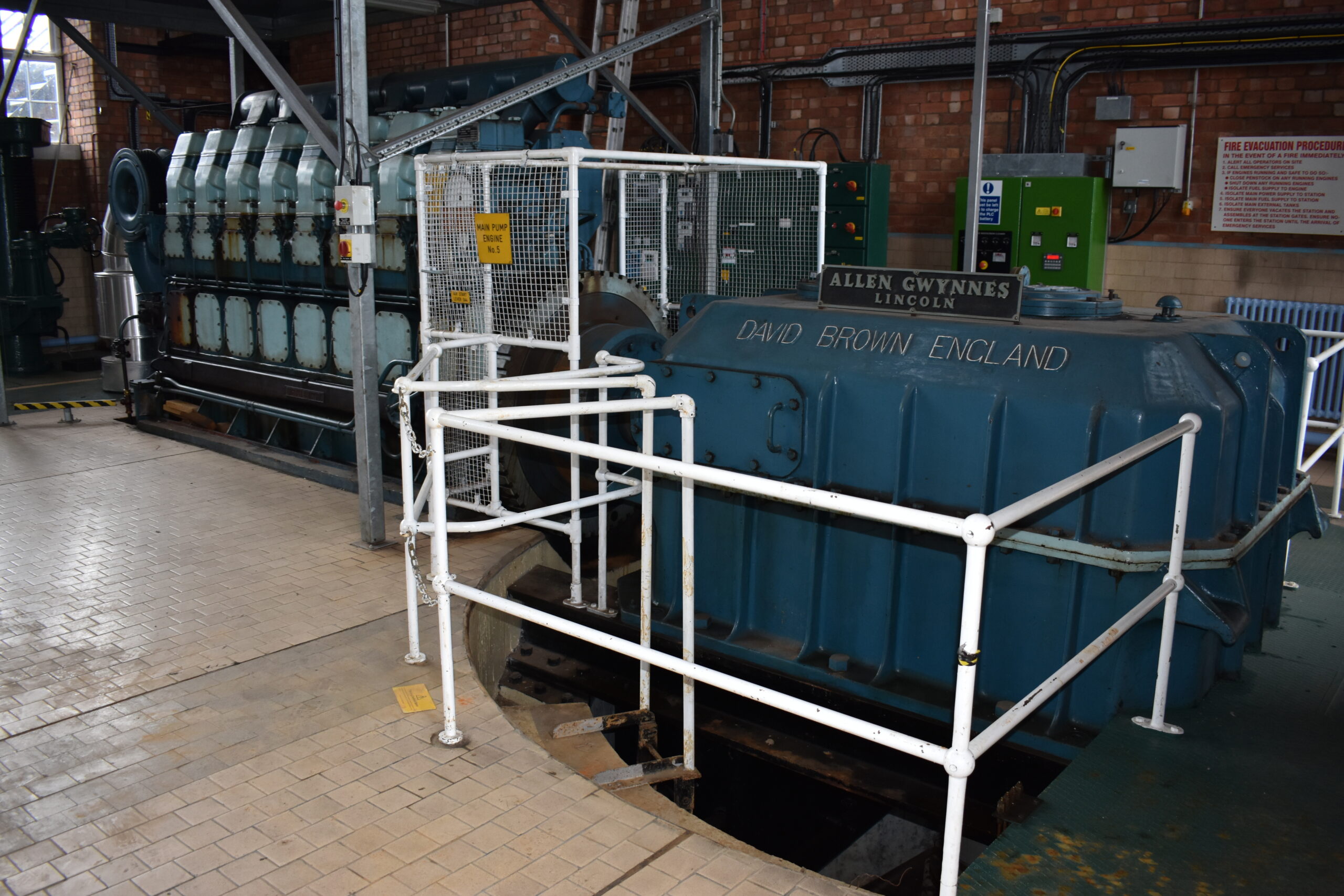
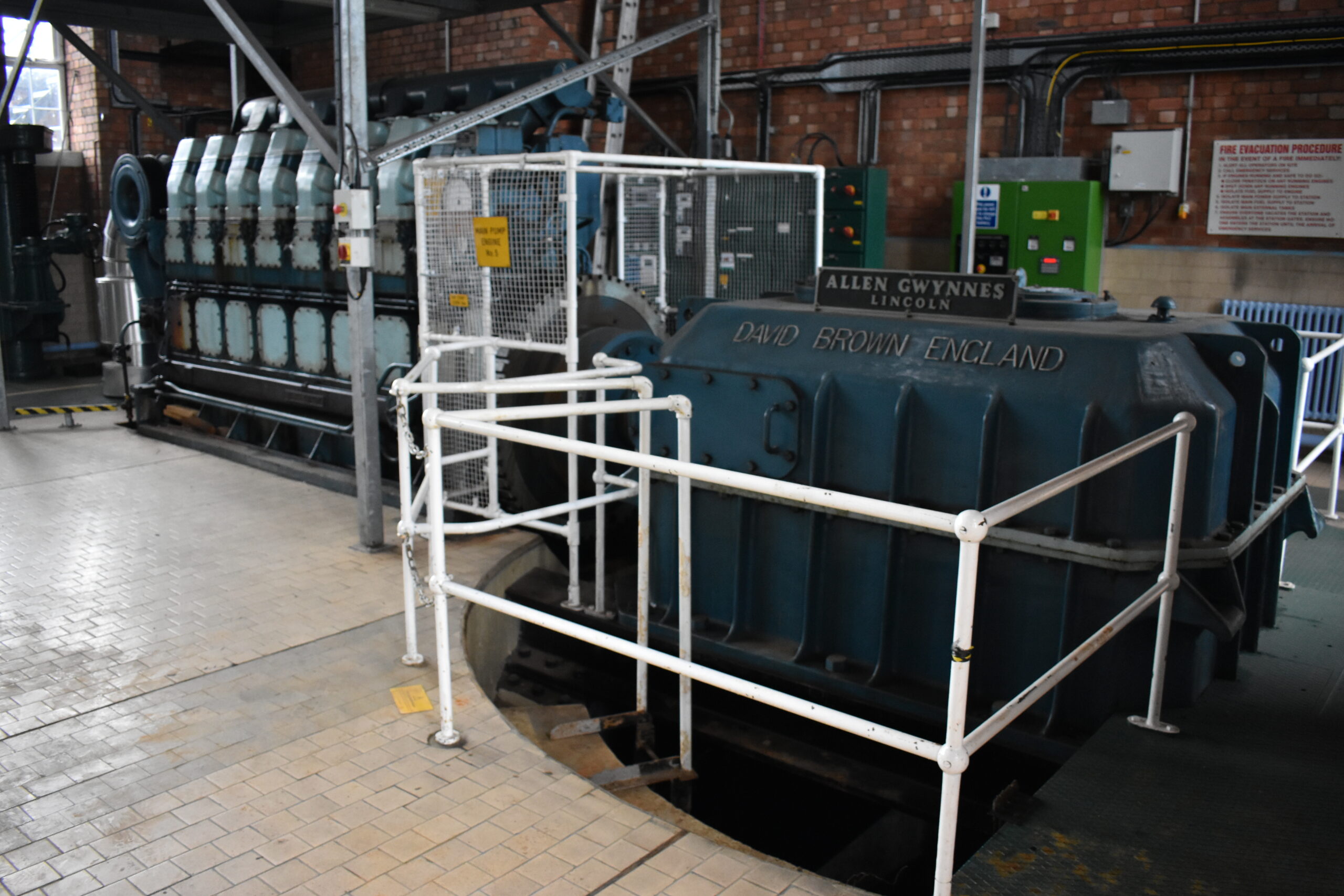
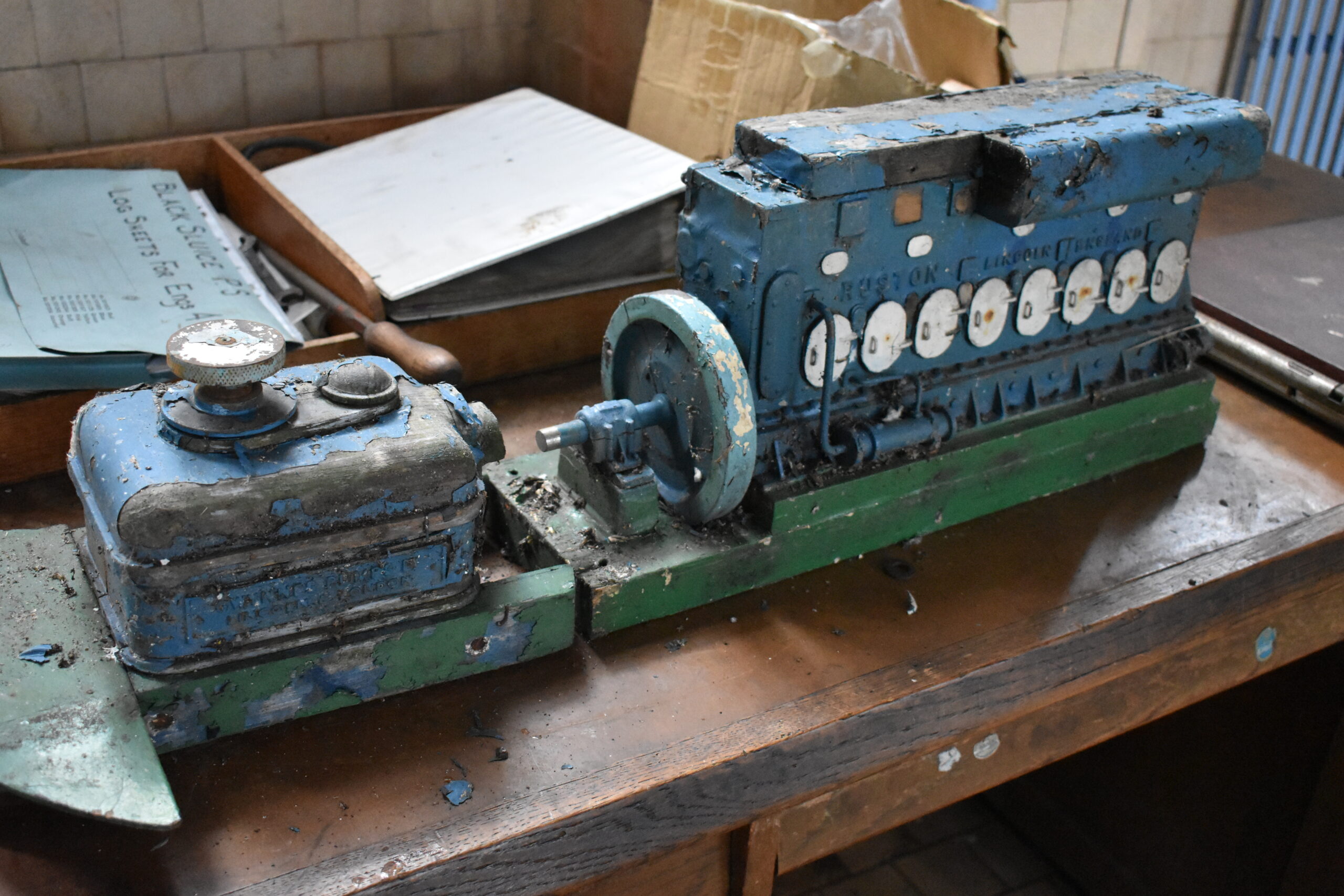
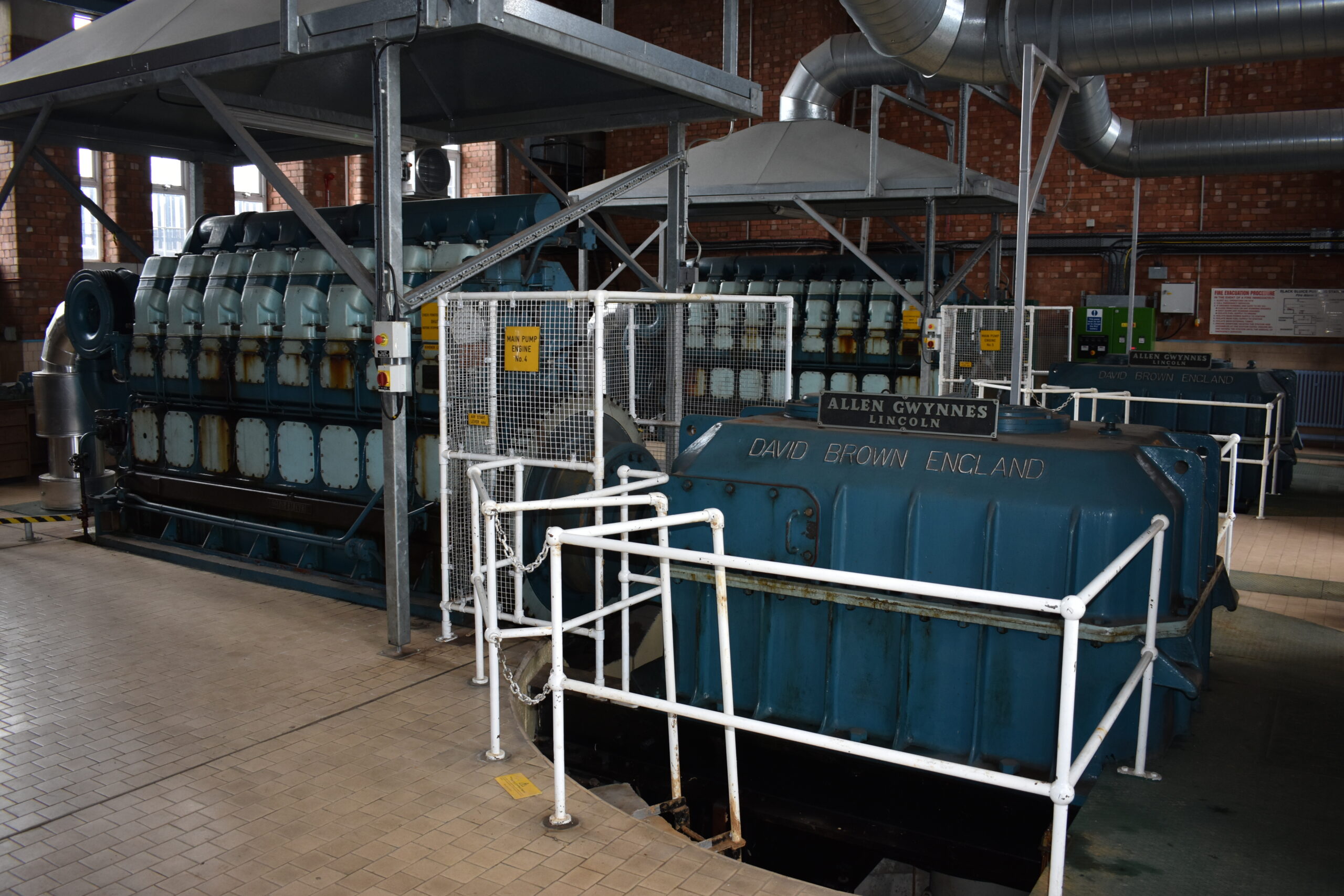
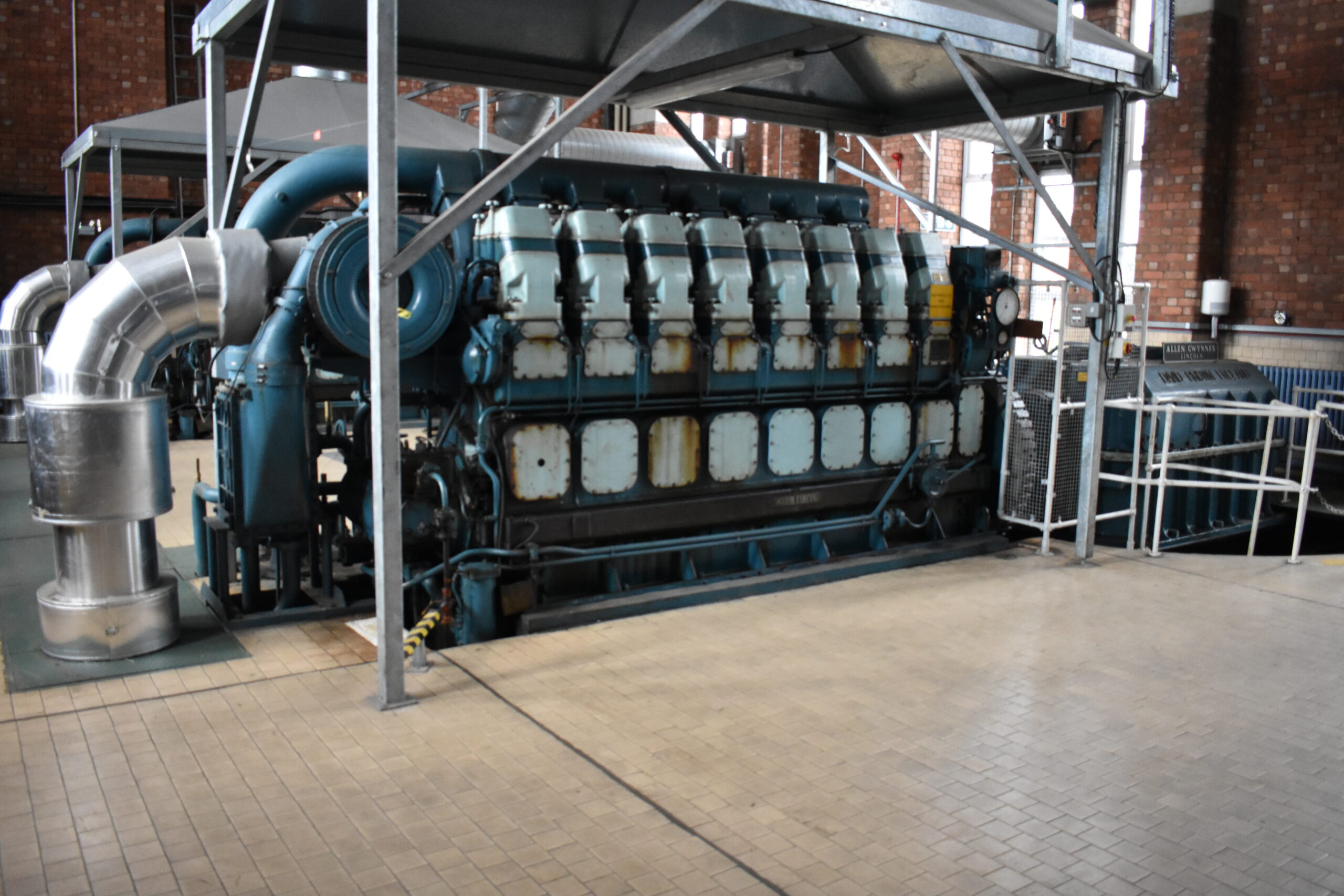
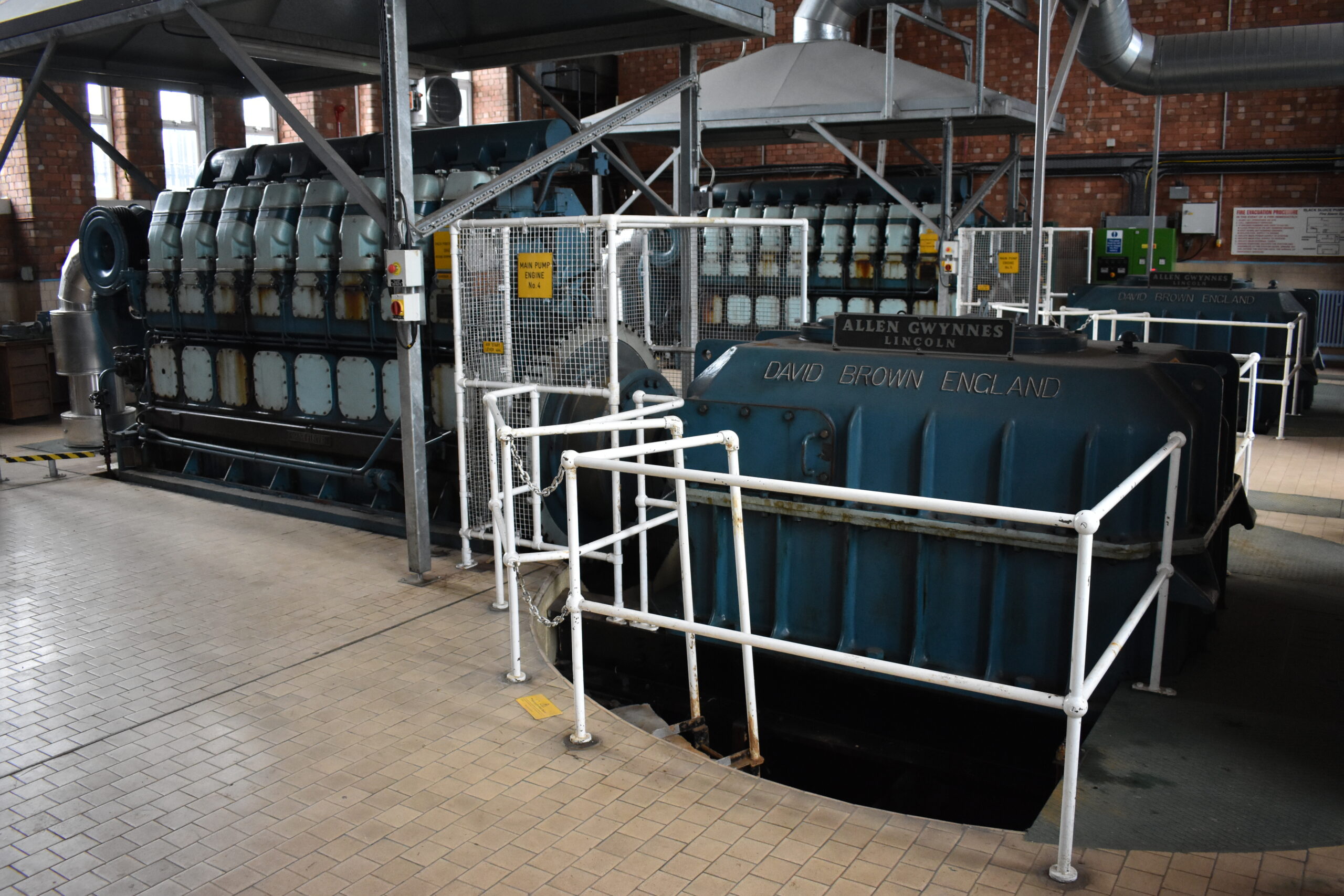
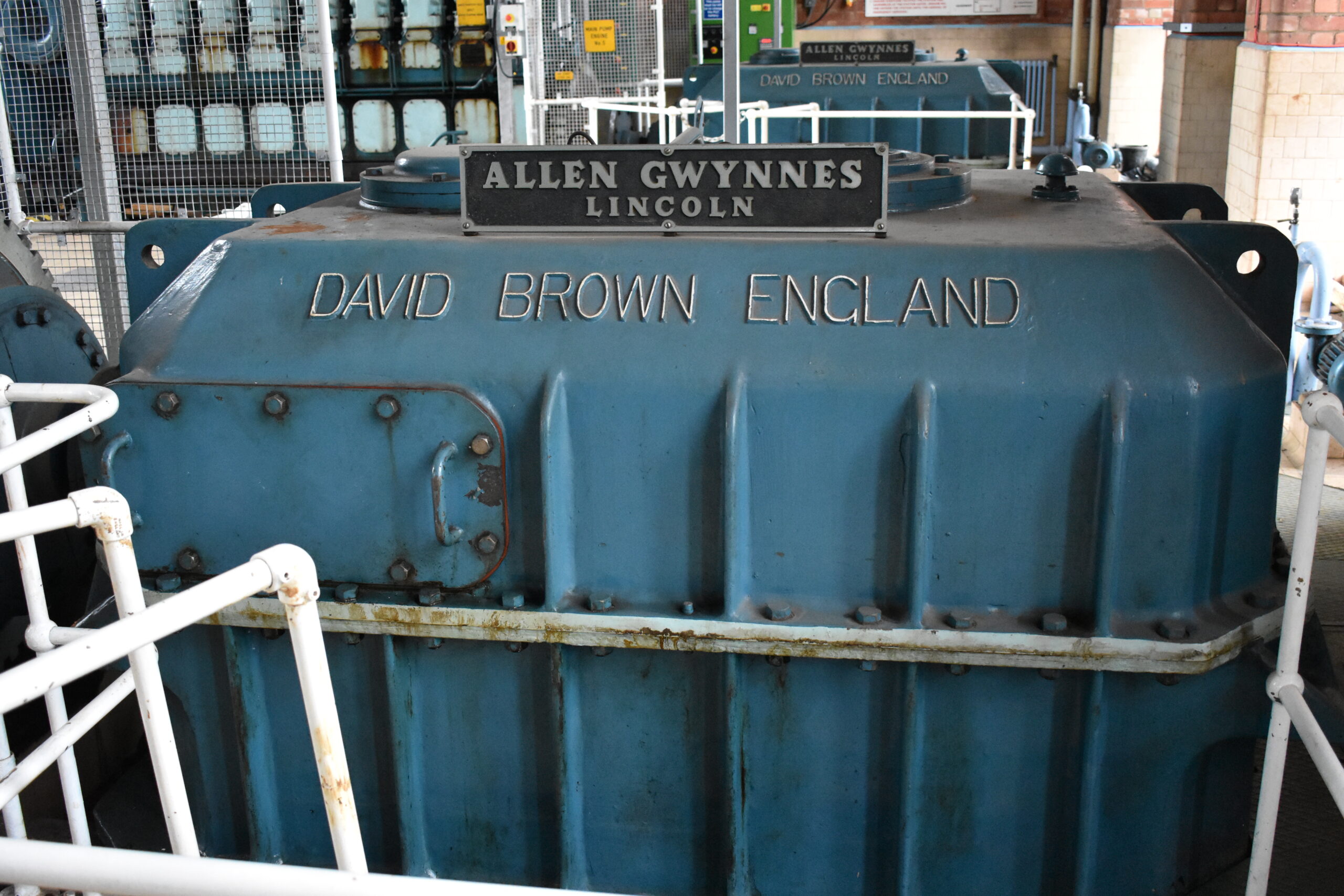
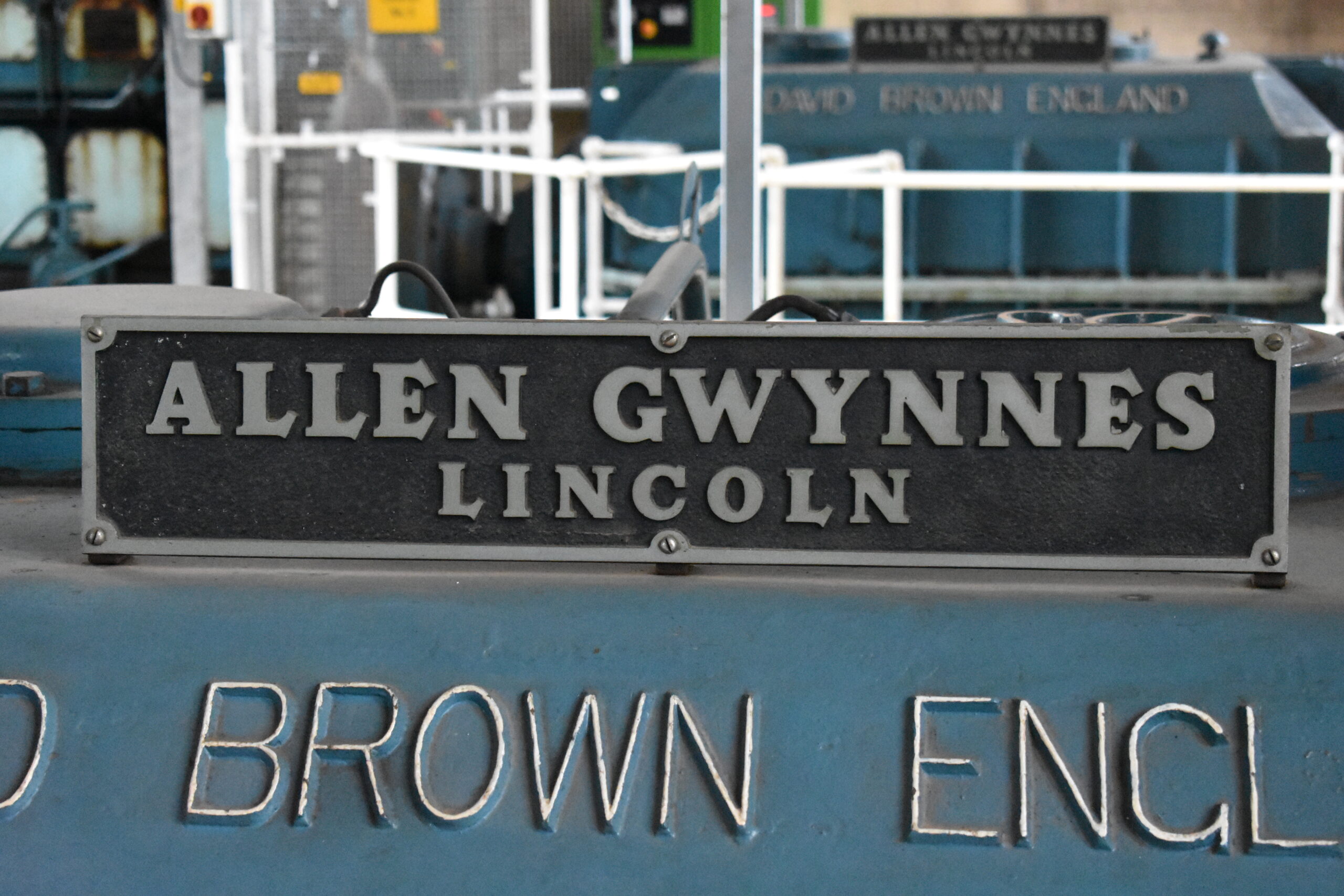
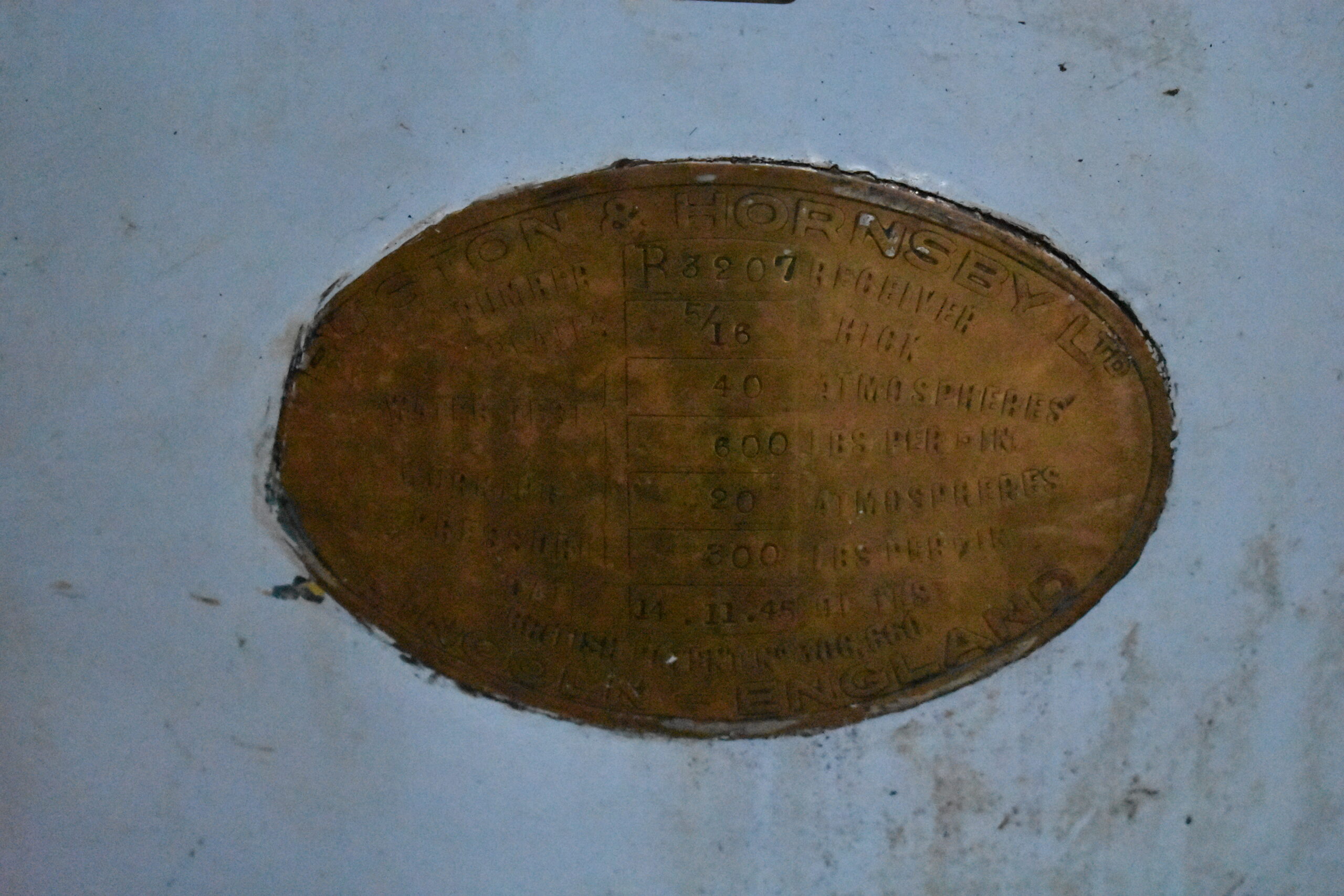
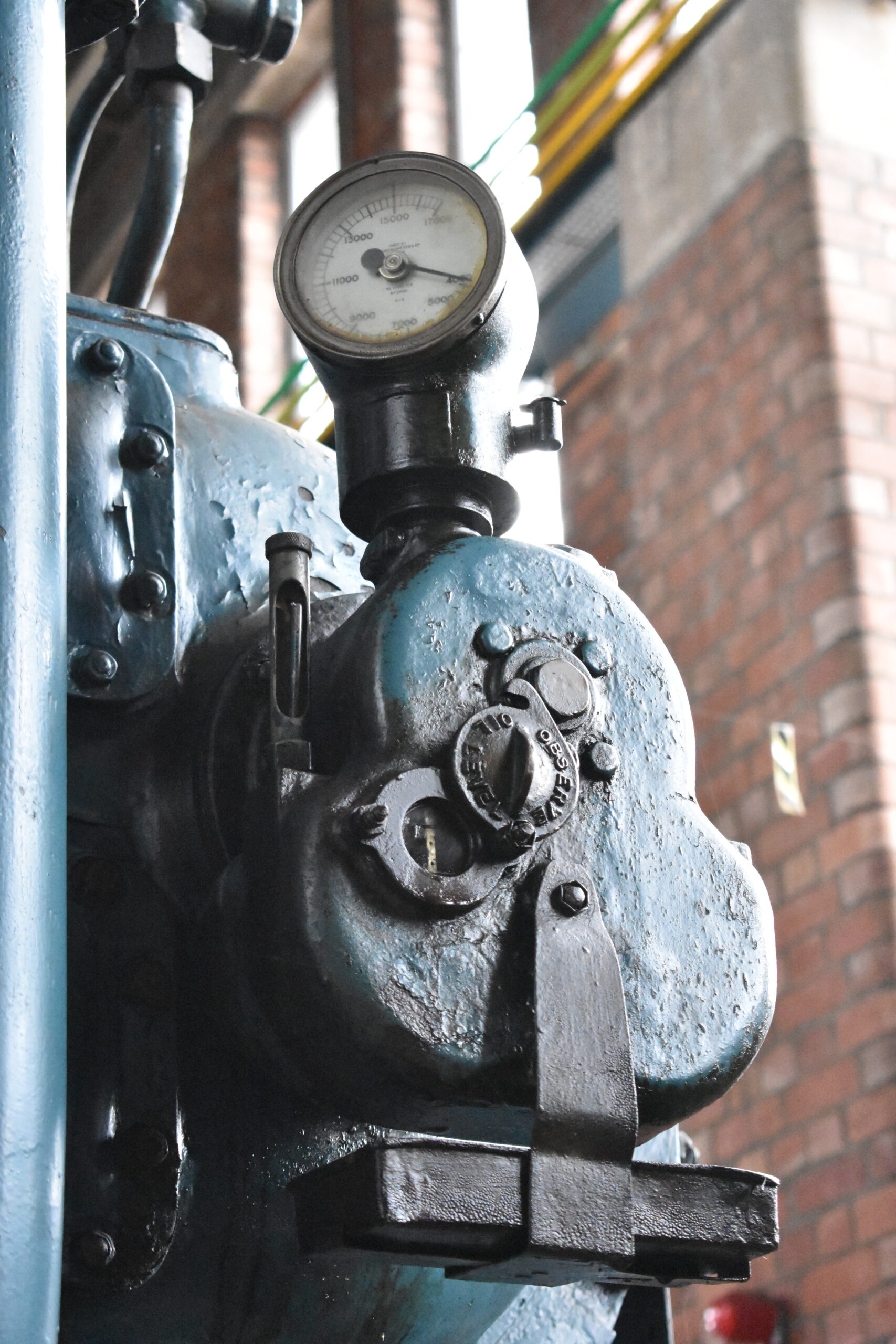
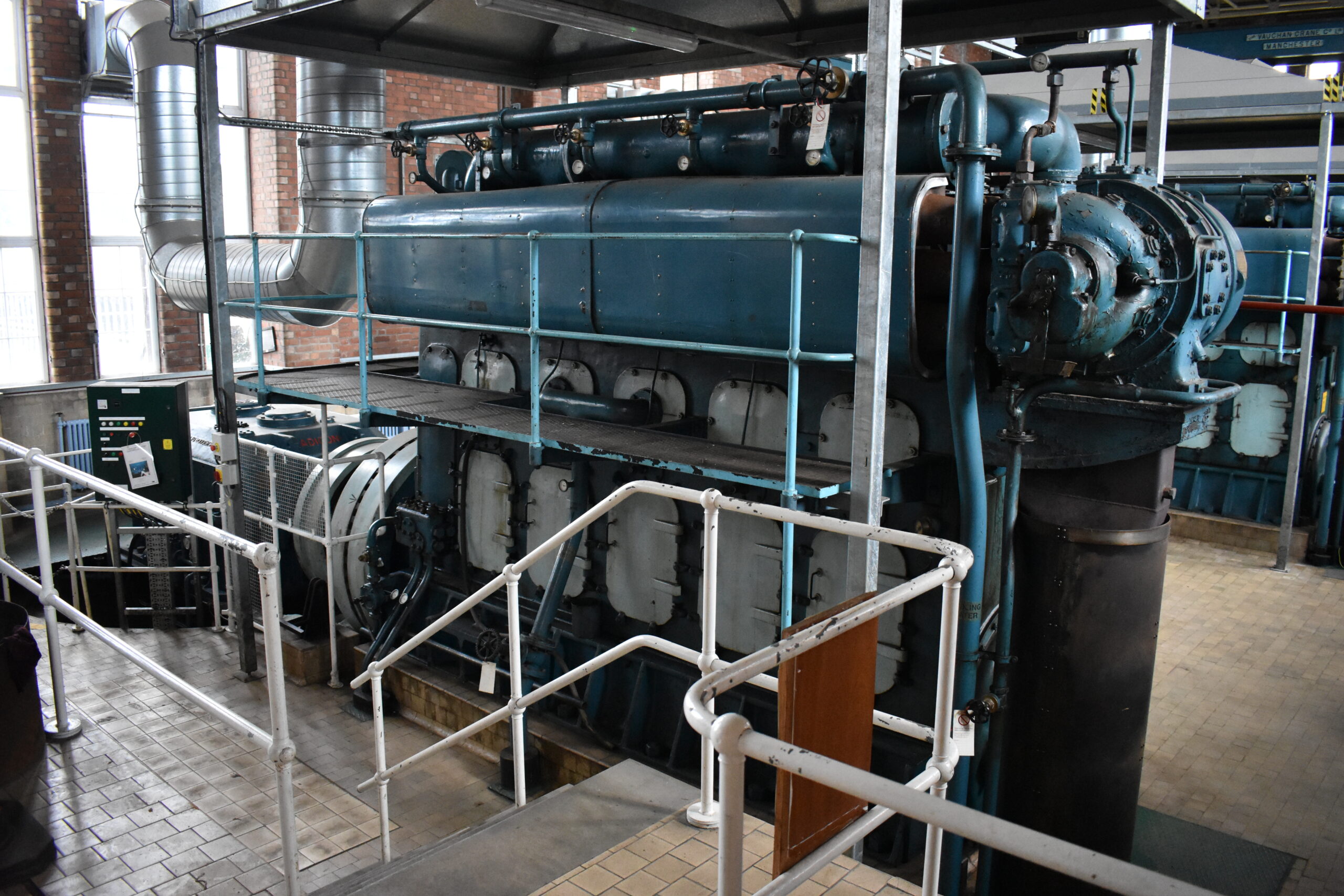
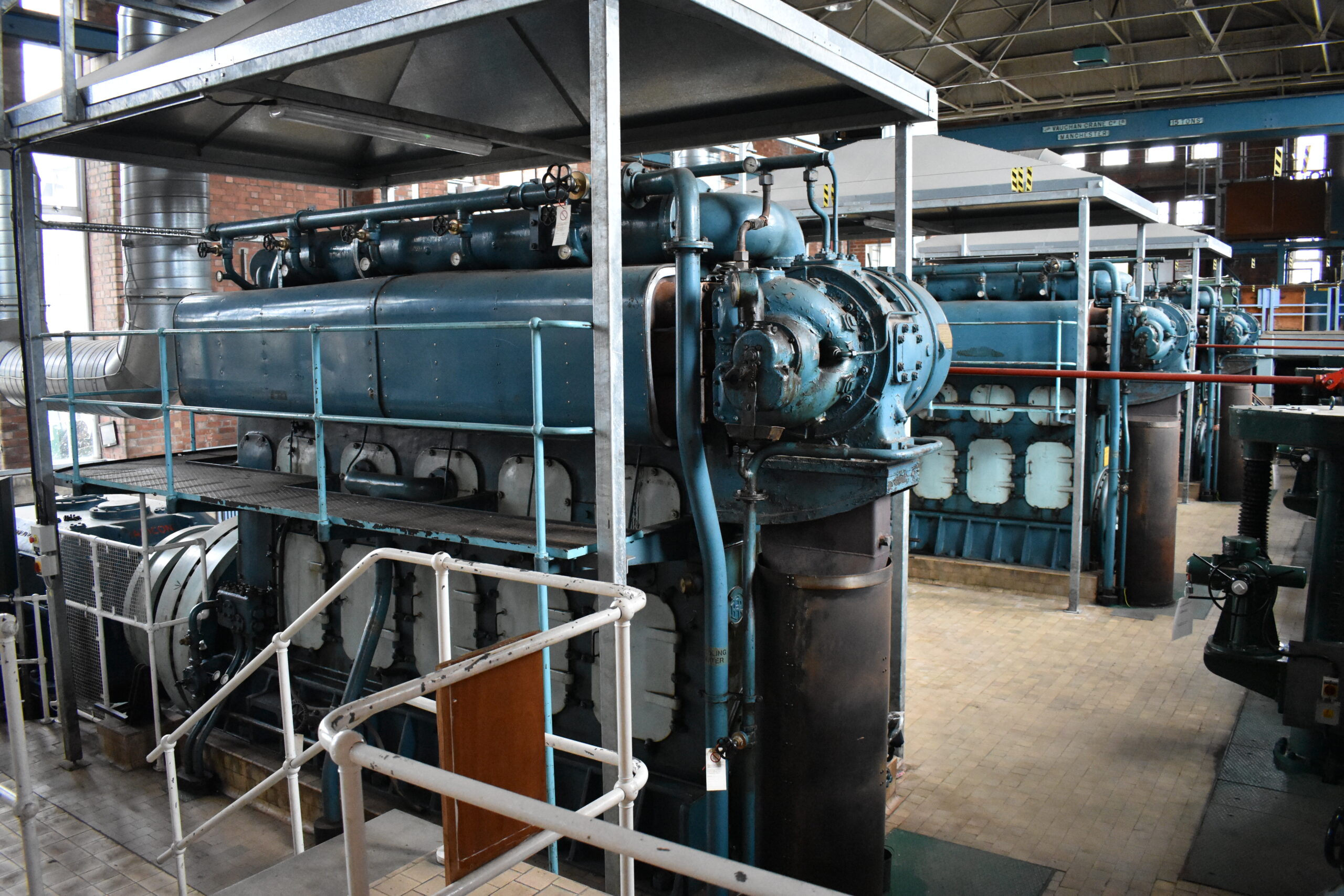
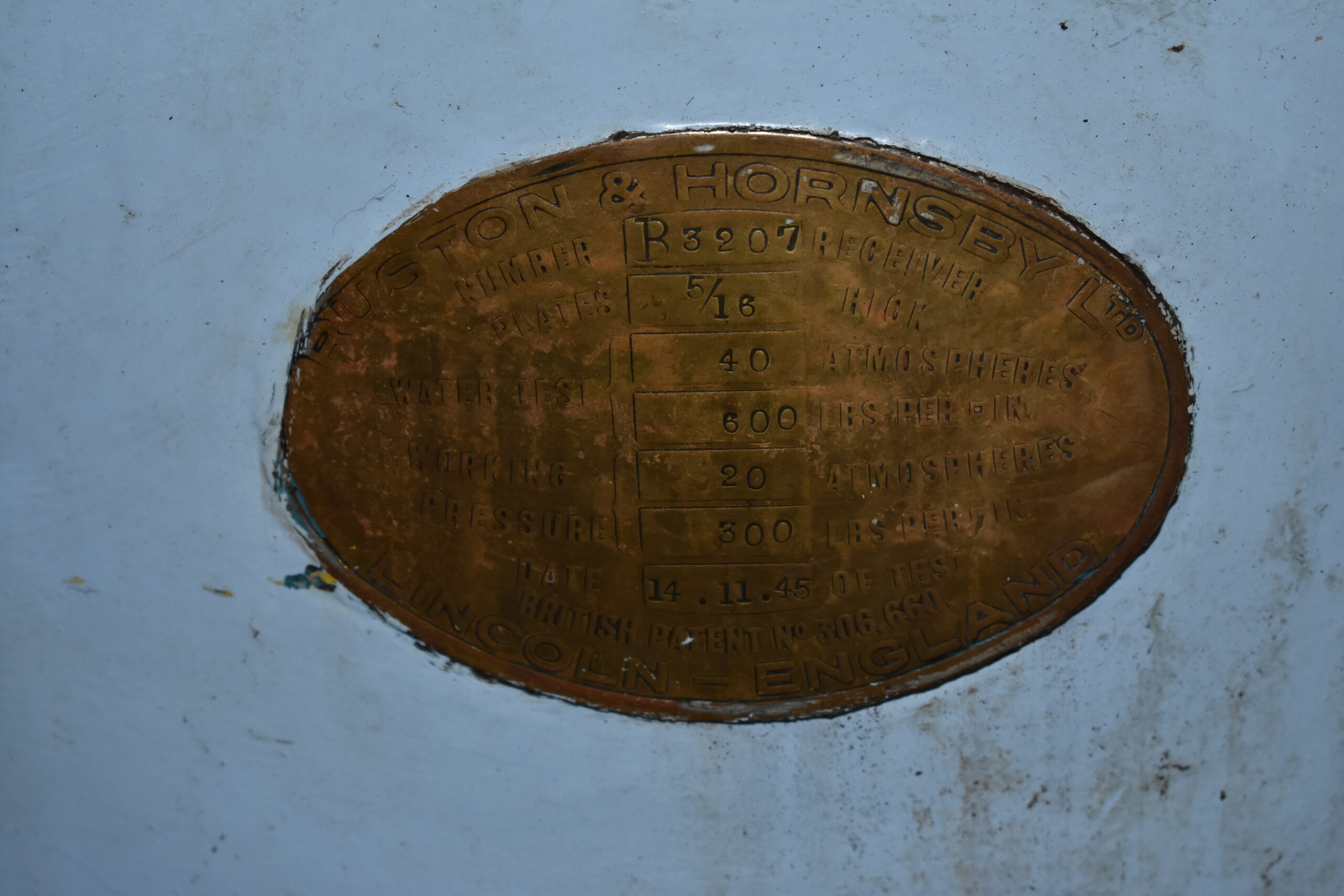
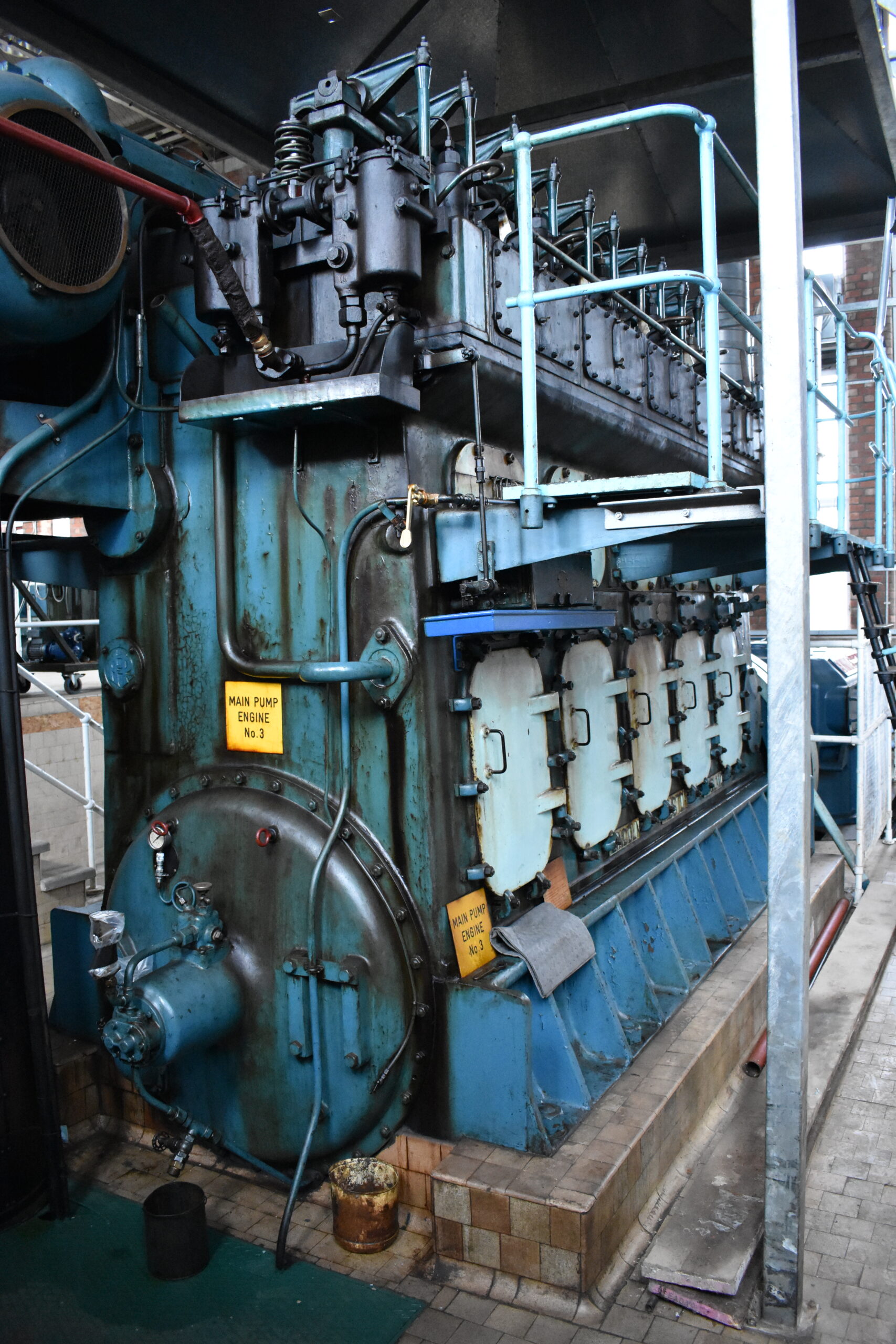
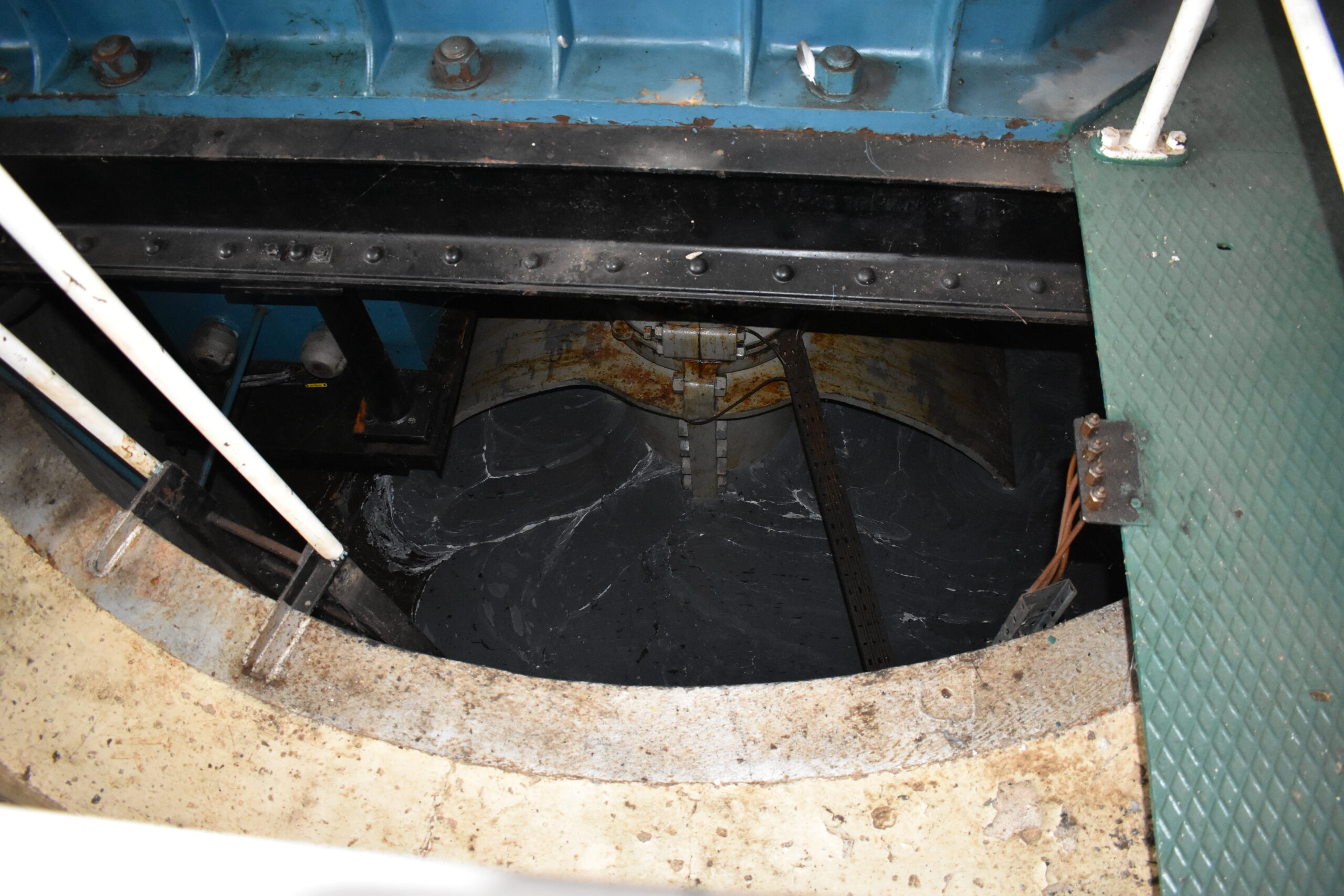
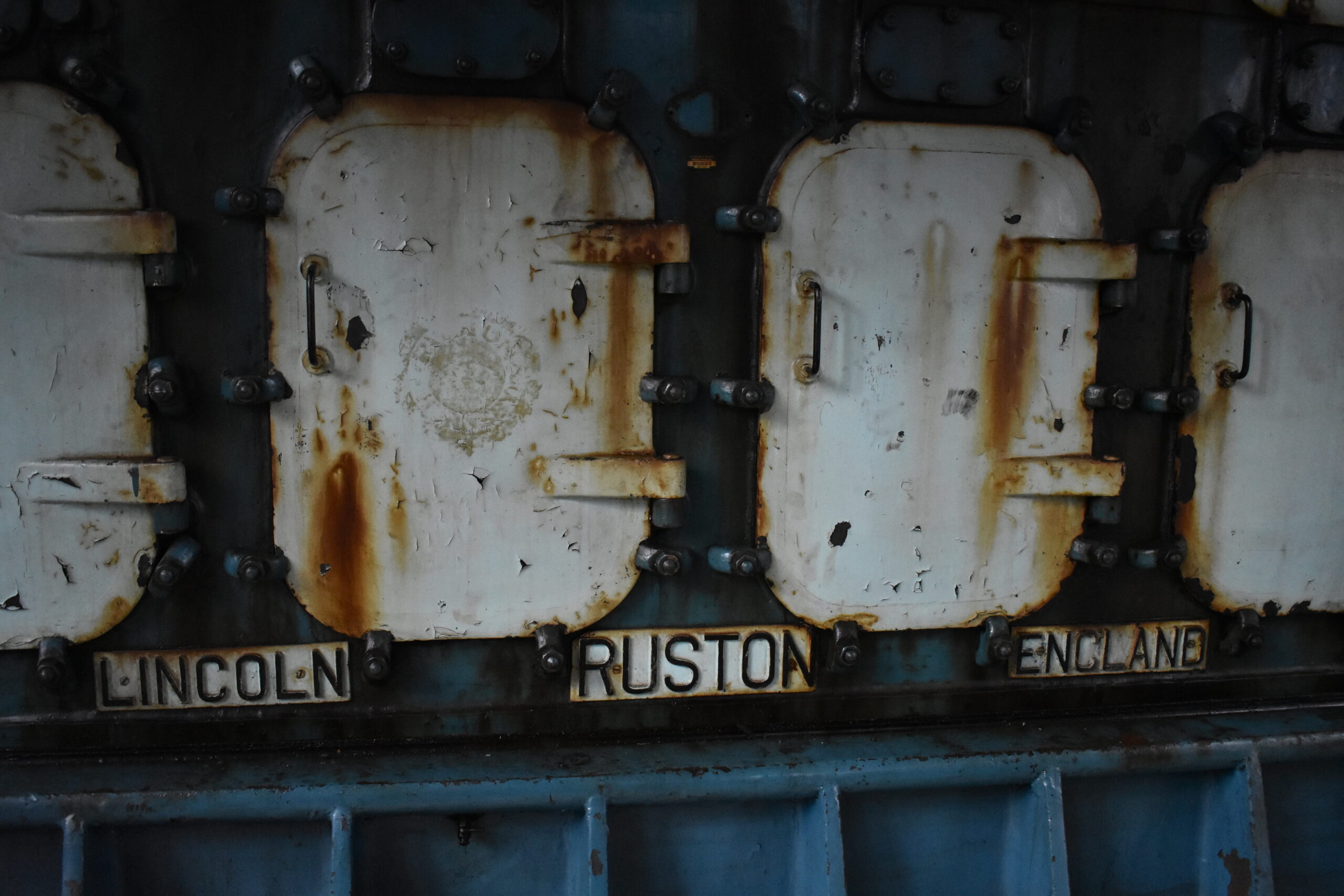
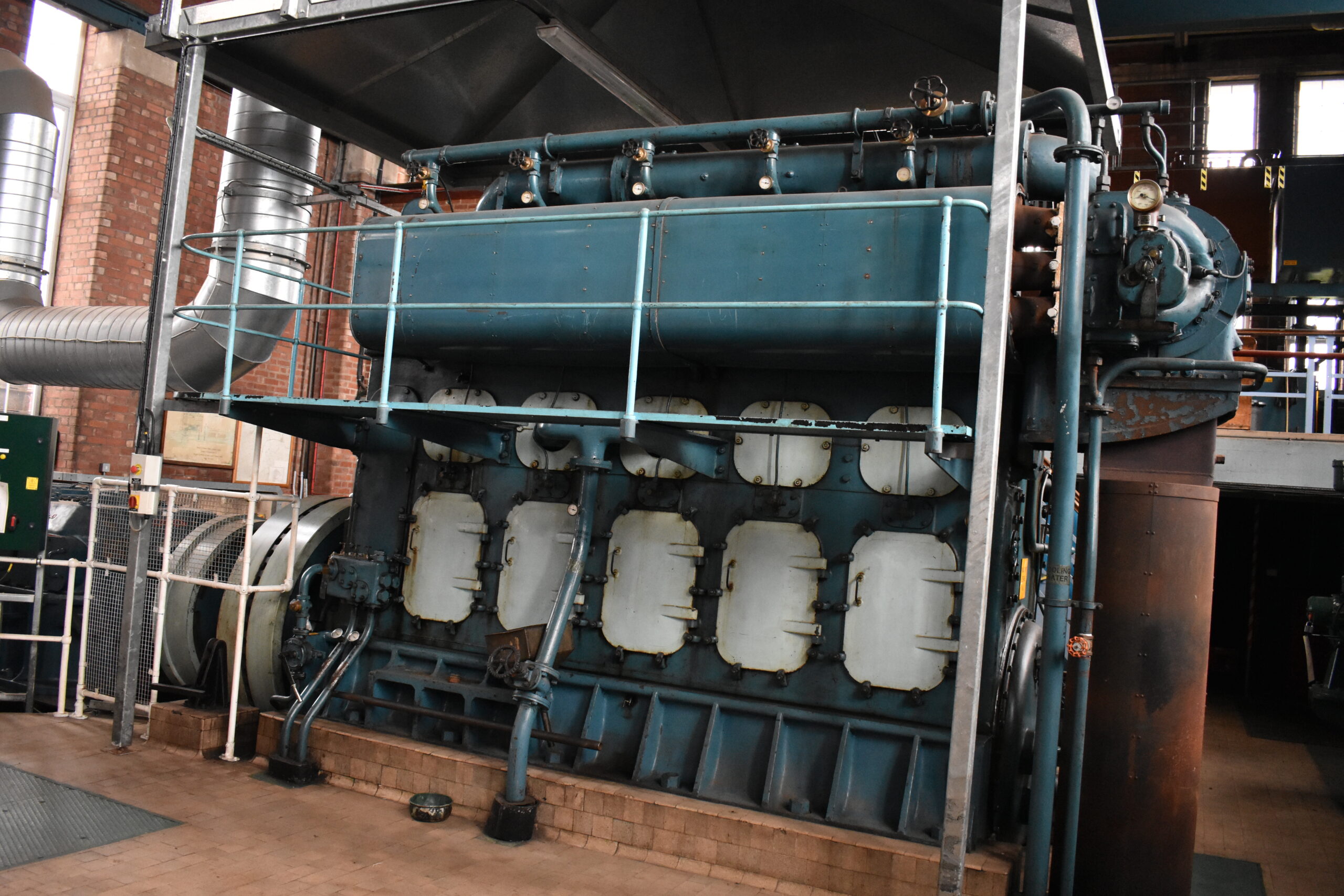
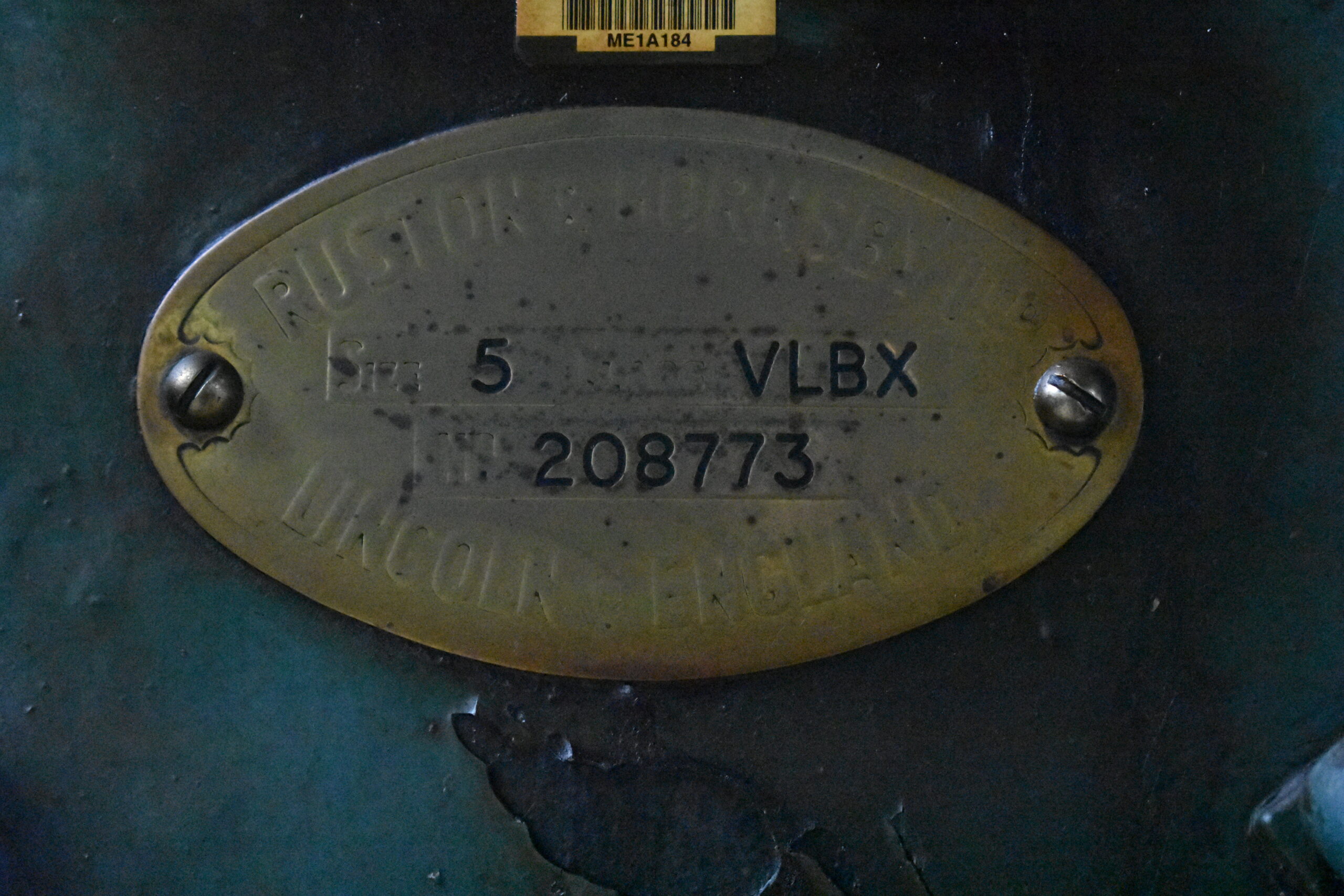
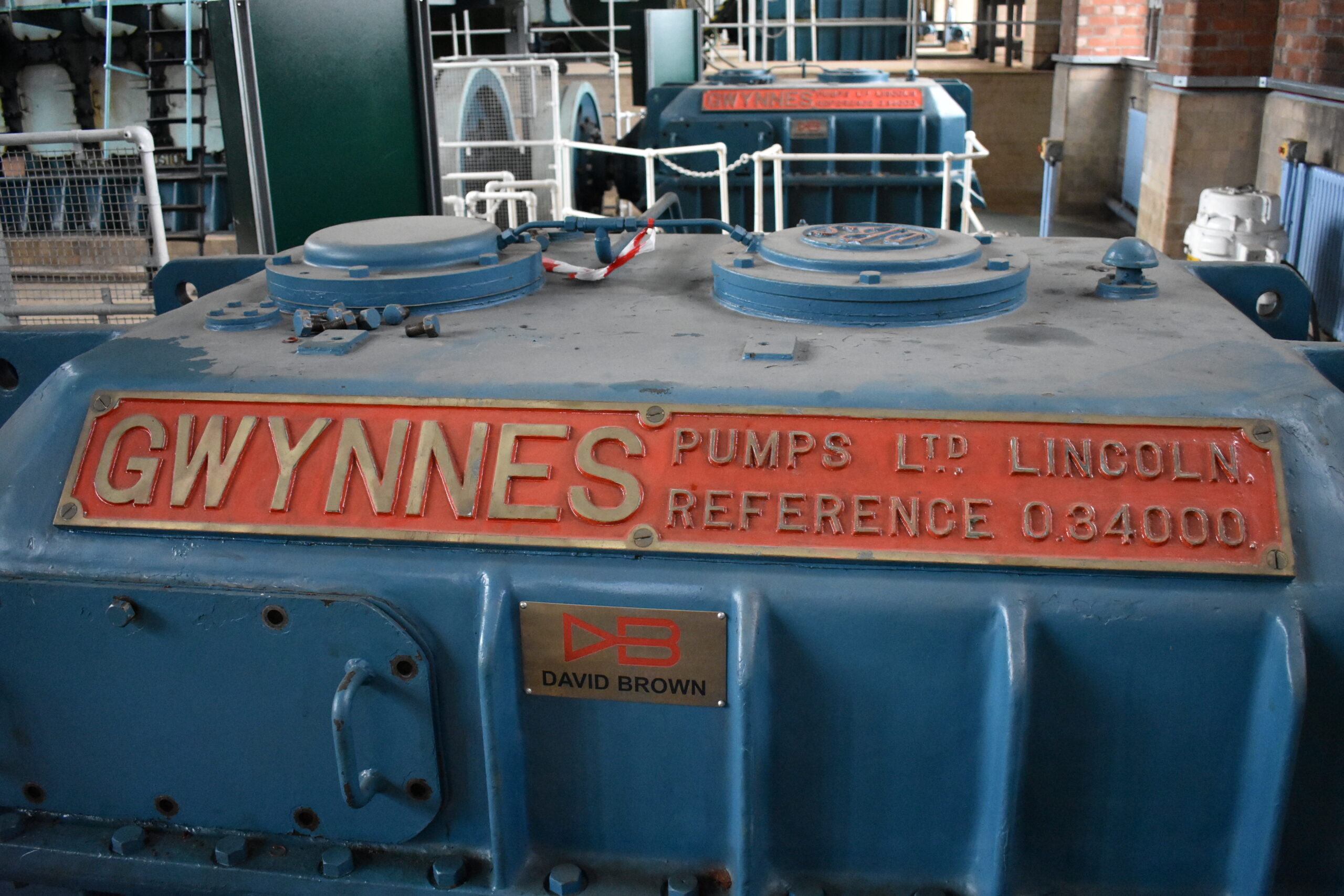
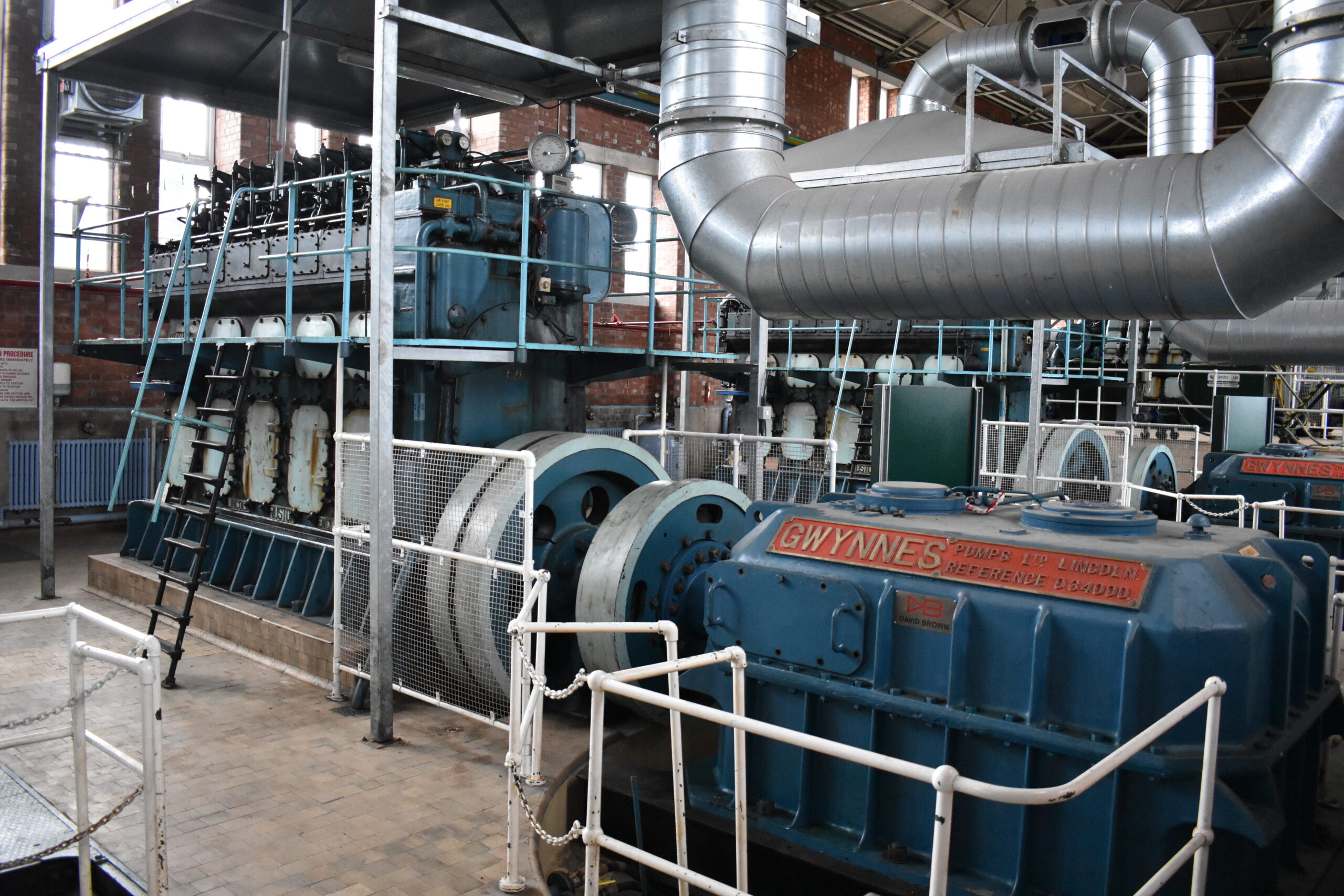
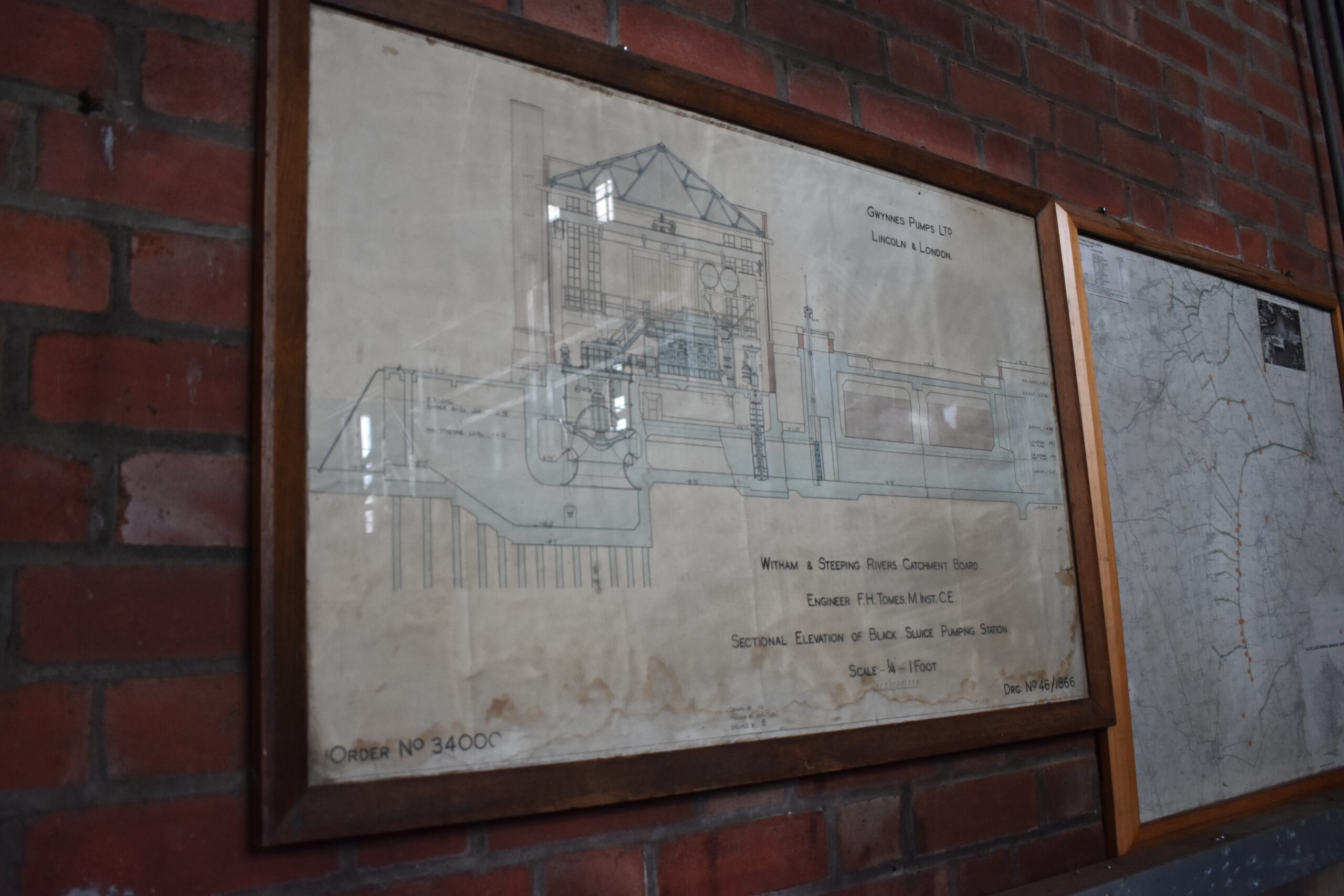
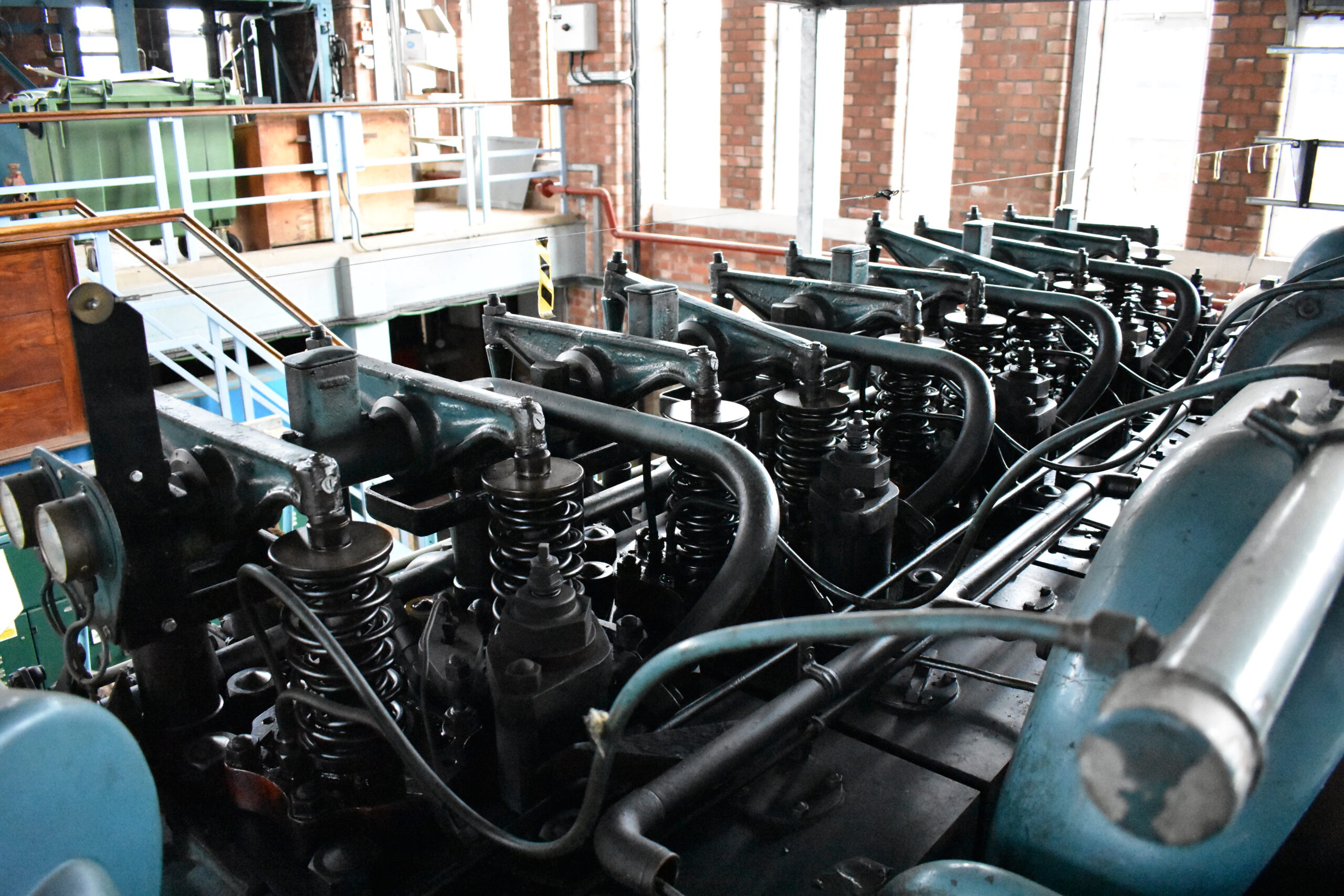
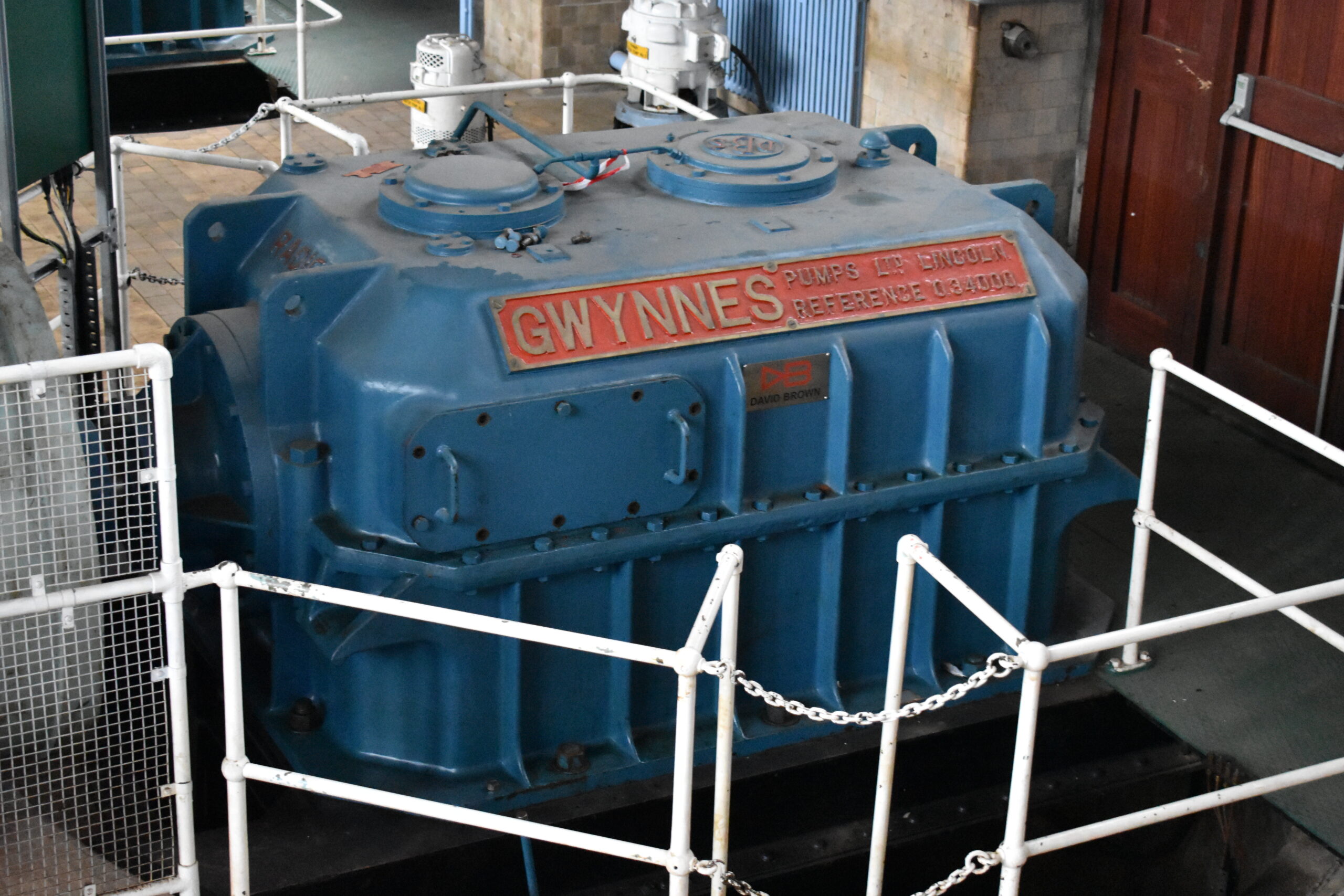
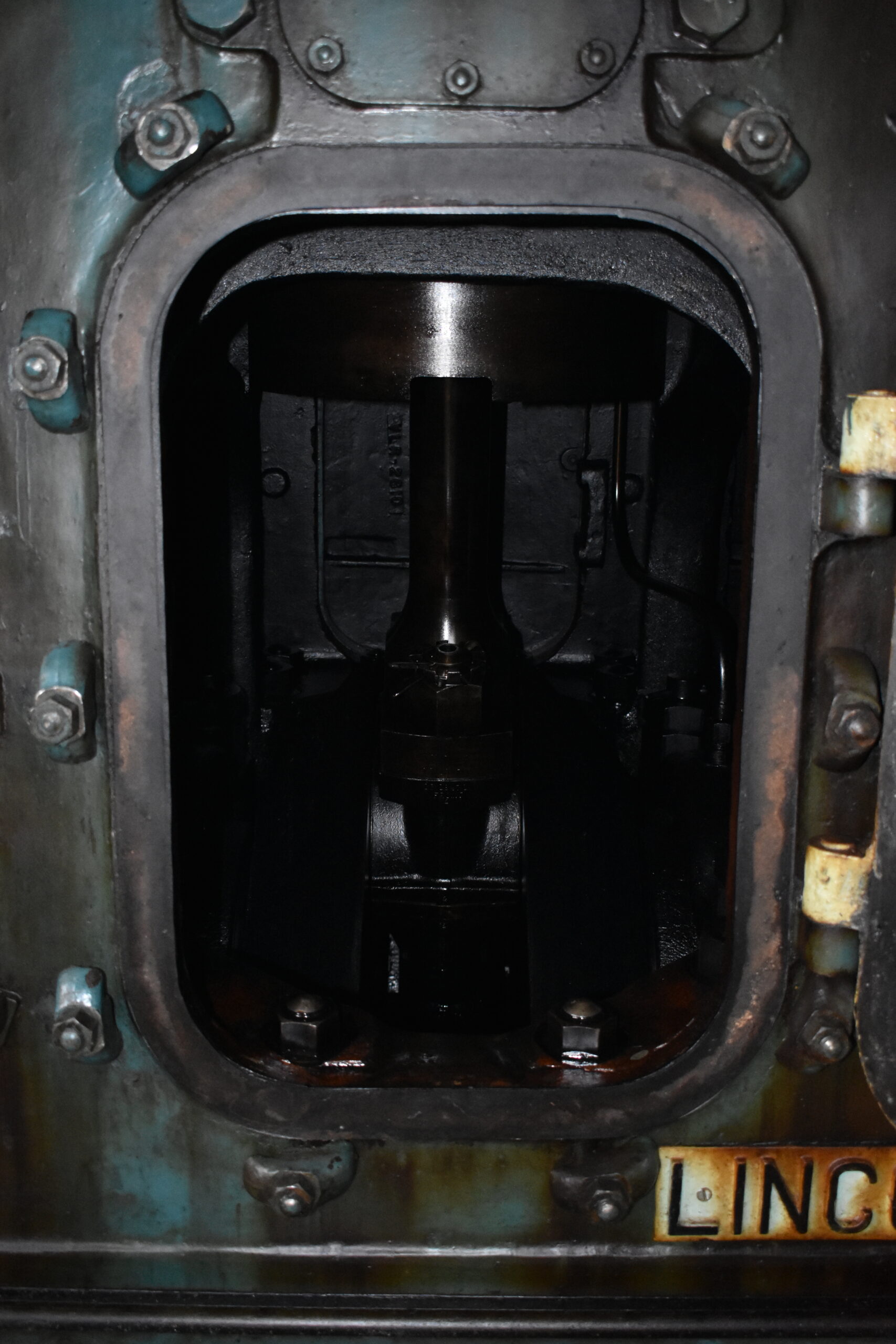
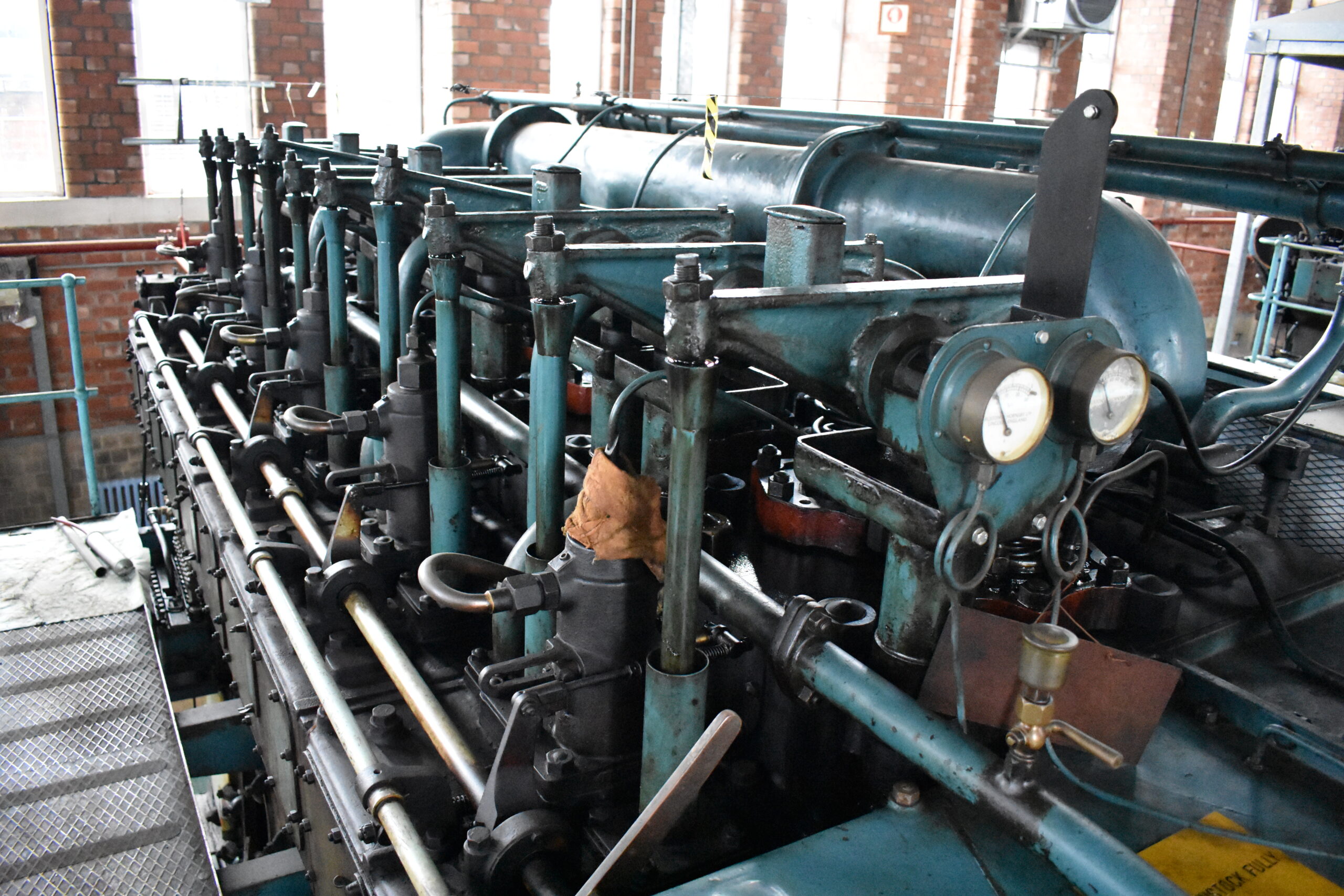
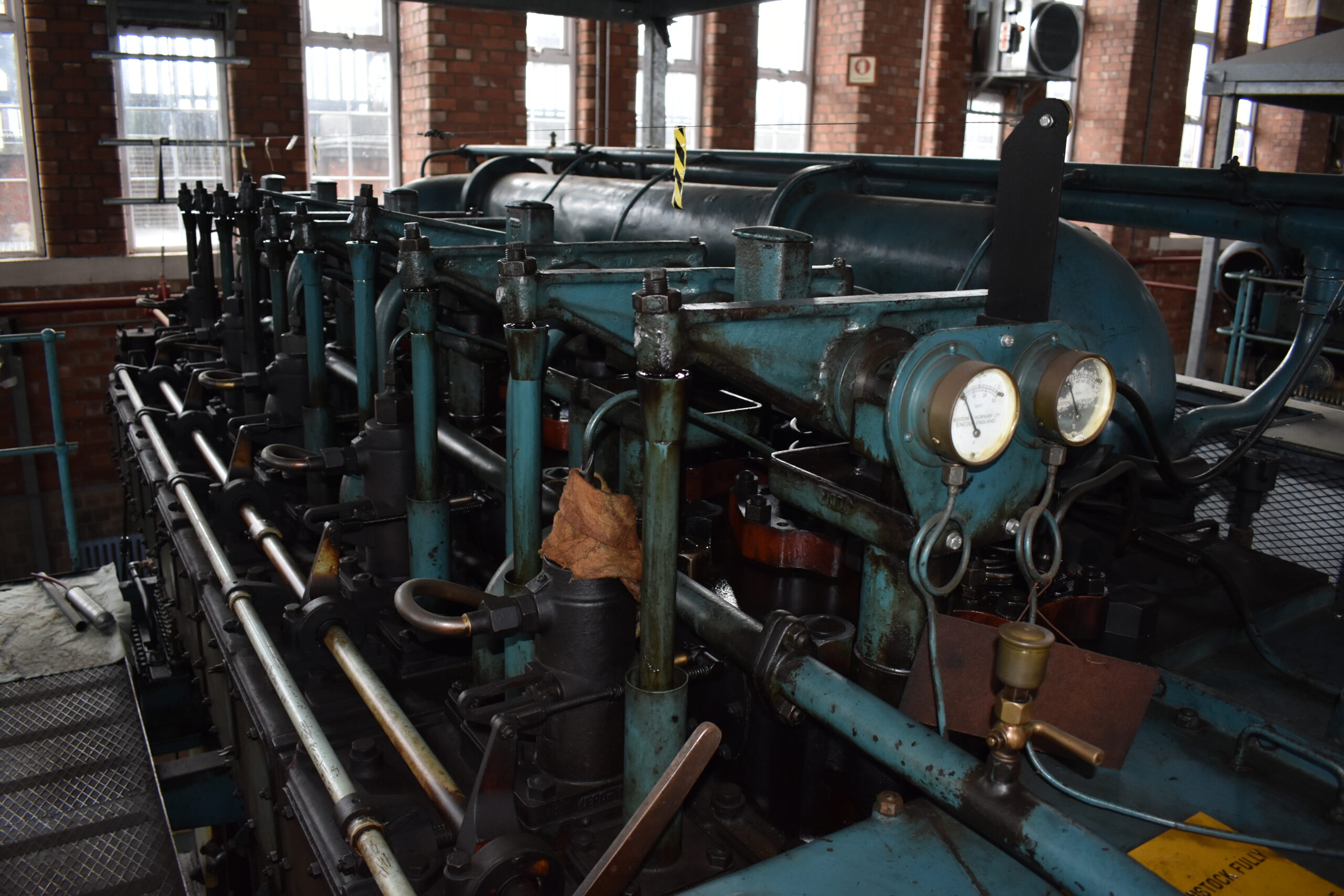
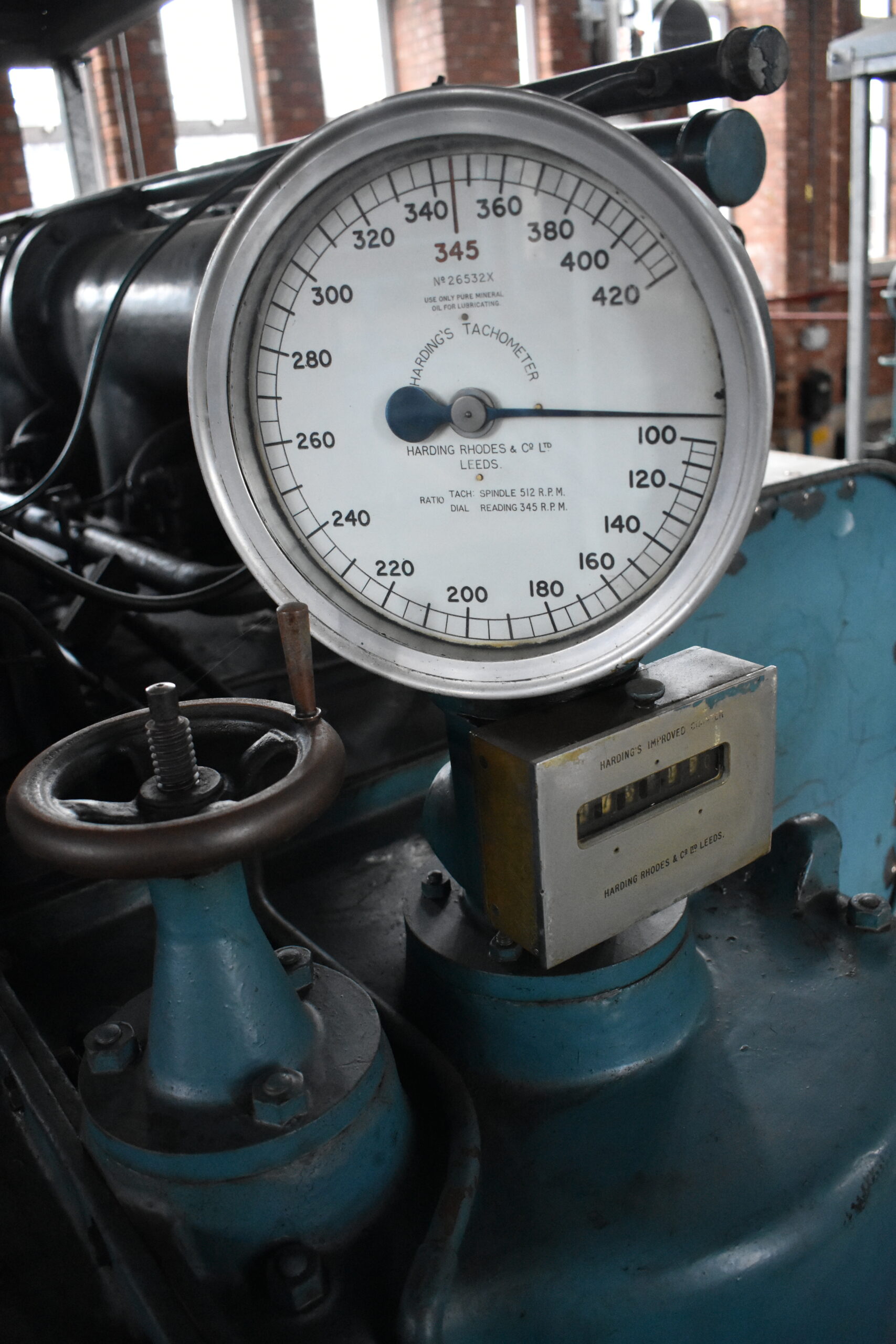
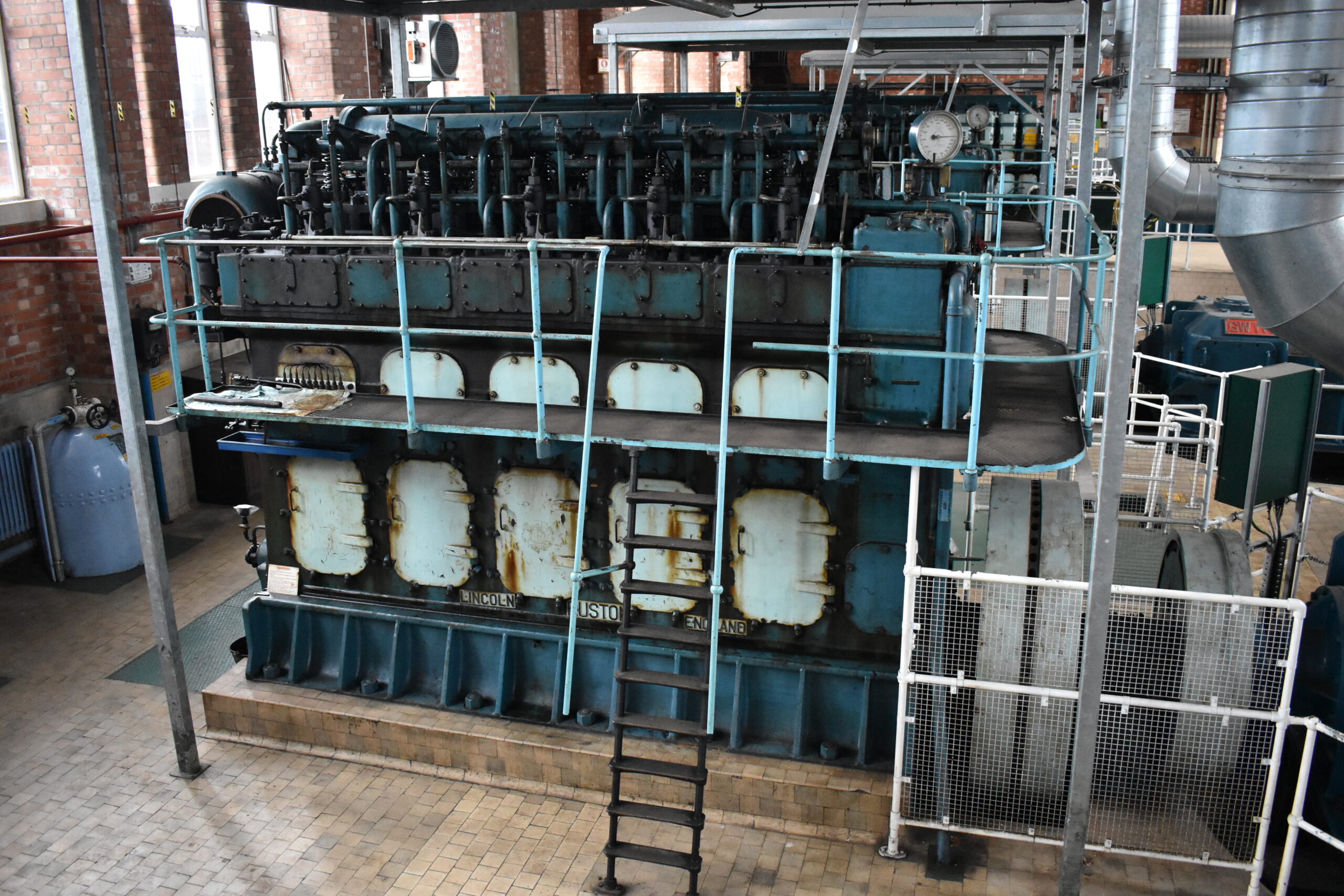
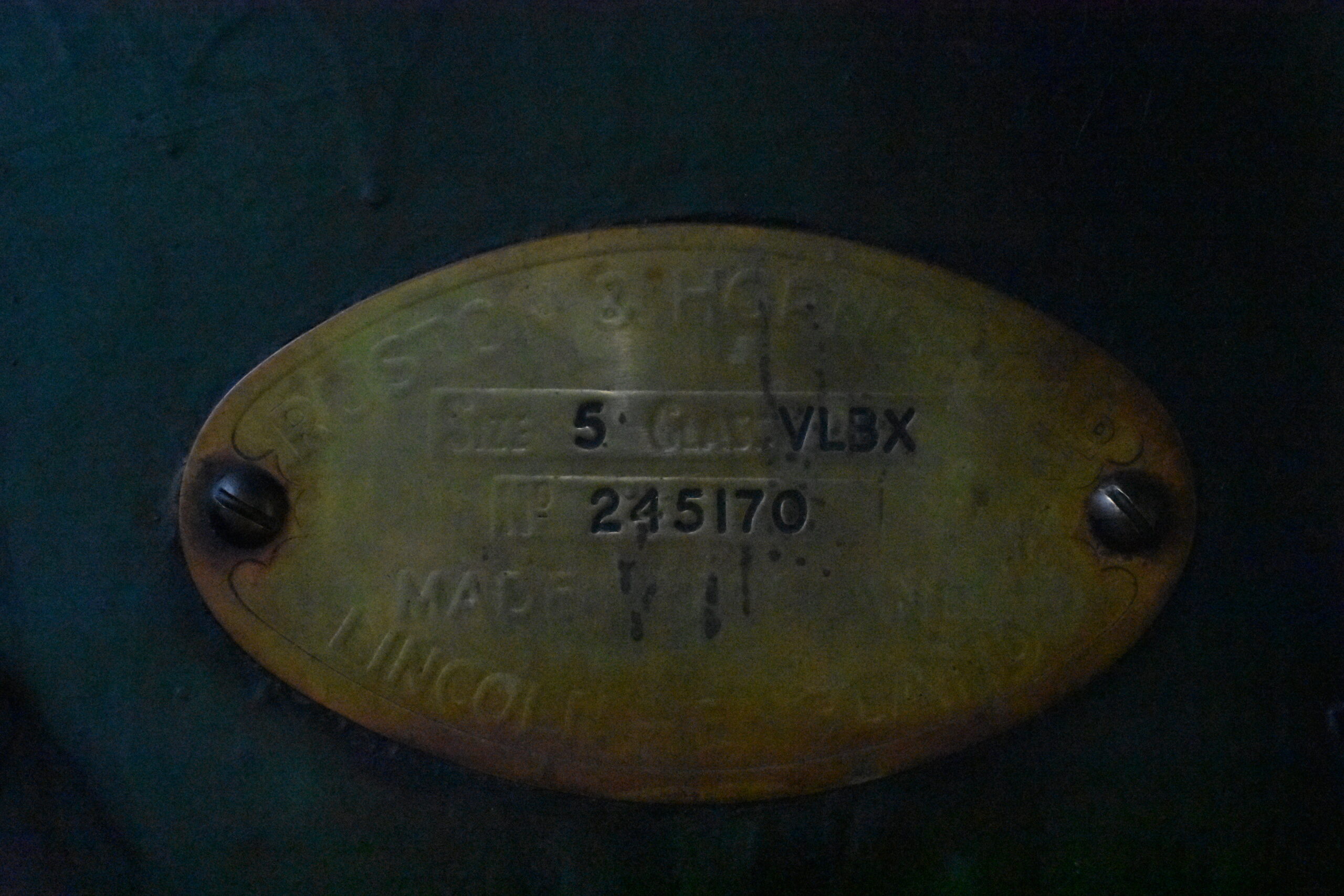
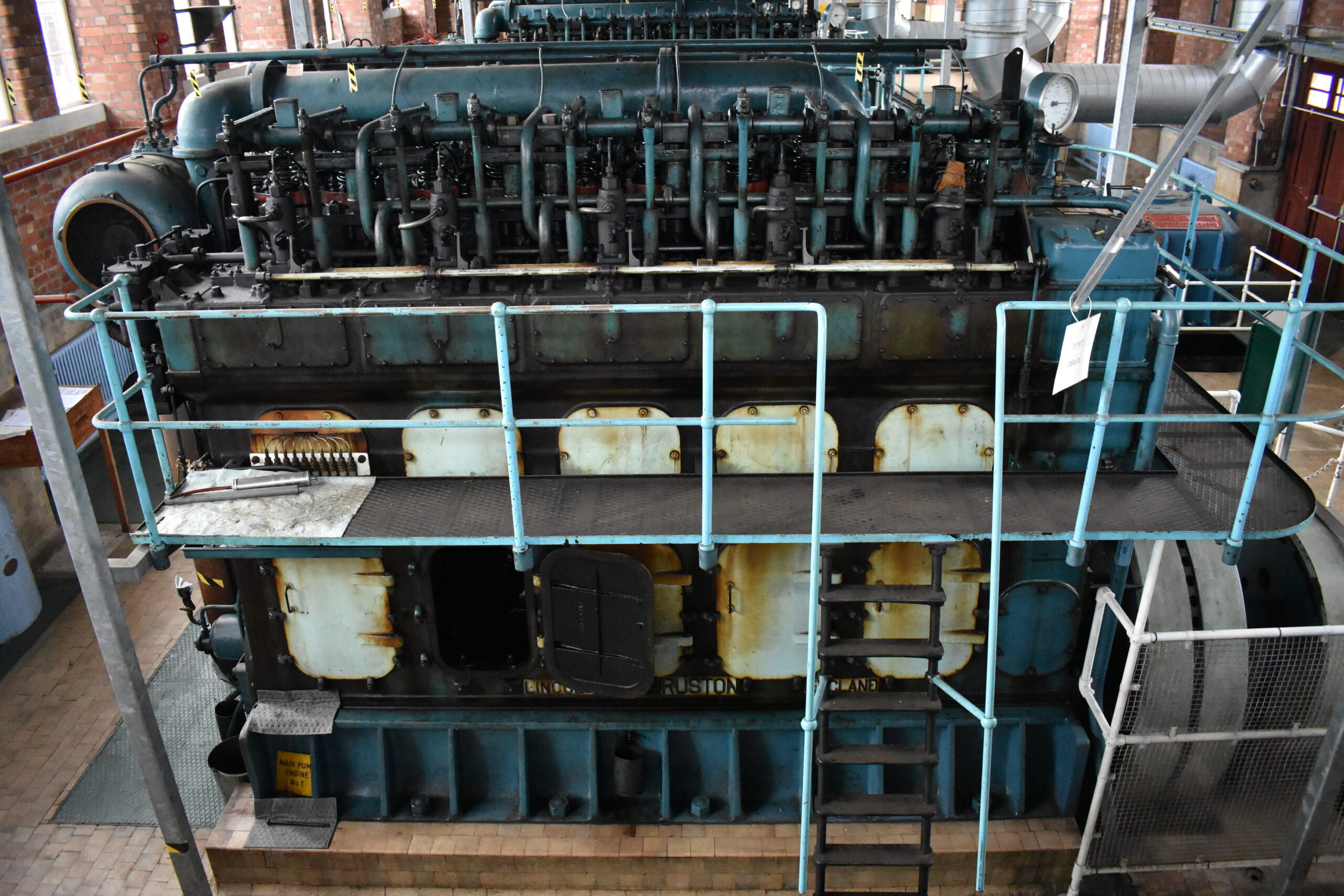
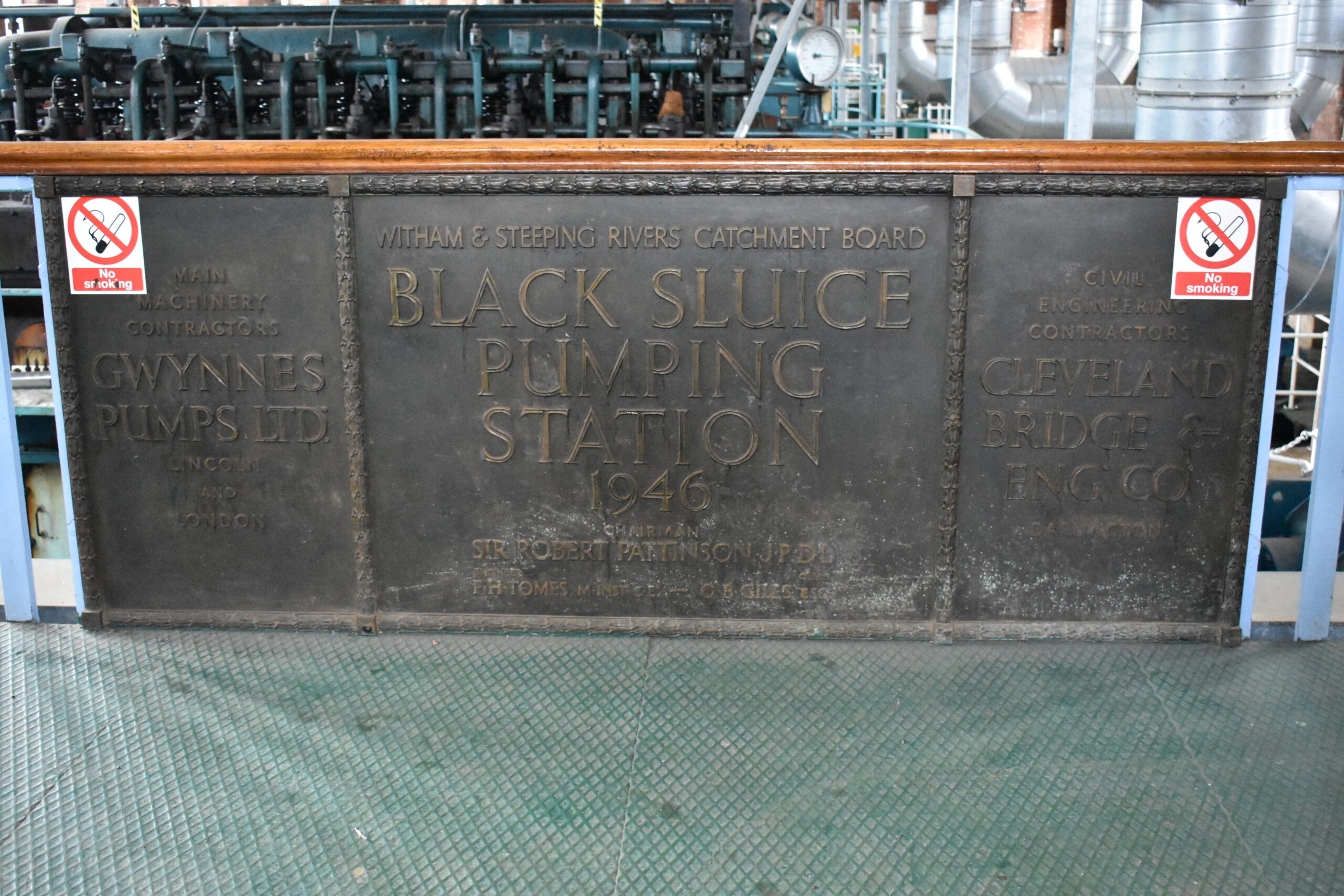
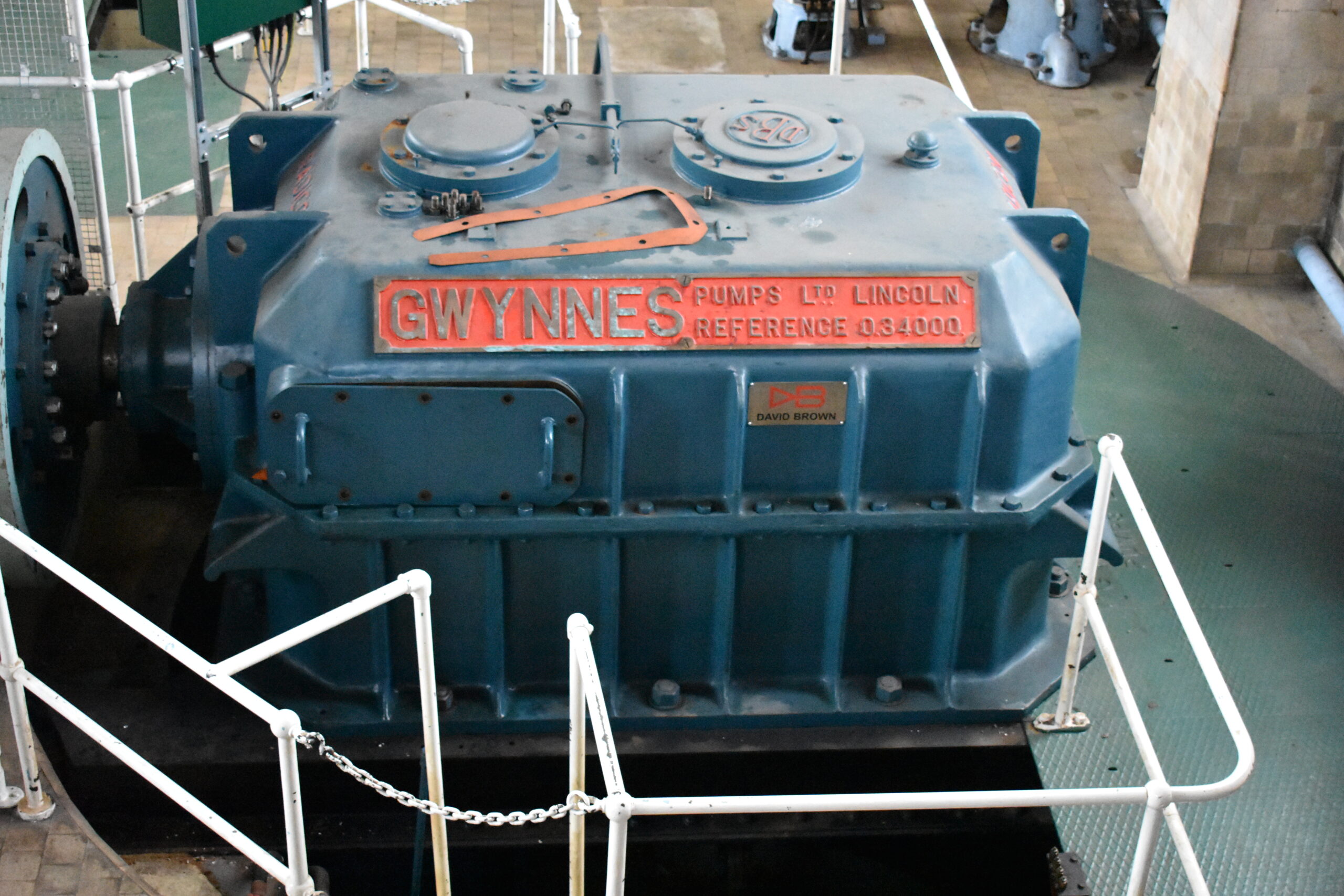
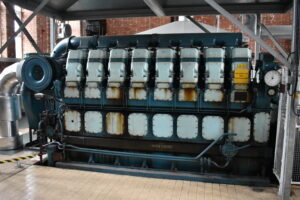
No further developments seem to have taken place at the Black Sluice outfall for almost a century. However following flooding of the South Forty Foot drain in the 1930’s the Witham and Steeping Rivers Catchment Board (who looked after the area at the time) decided to look into the construction of a pumping station to help discharge from the Forty foot drain into the River Witham. It was deemed that this was necessary as the River Witham had a higher flood level than the South Forty Foot Drain, so when the water level was high in the Witham it wasn’t always possible to drain the south forty foot using the existing sluice. Although the need for a pumping station was identified in 1938, world events got in the way in the form of the Second World War. Due to industry & the economy working towards the war effort, it was not until 1946 that the station was finally completed. When it opened the station housed three identical 900hp turbo charged, Ruston & Hornsby 5VLBX engines, which were each connected to a David Brown double reduction gear box. These in turn powered Gwynnes impeller pumps, in which the impeller was a massive 3 meters diameter. The Ruston engines are rated to run at 345 rpm and are said to weigh an impressive 37 tonnes each! These Gywnnes pumps differ somewhat from those found at other stations I have reported on, in that the main body of the pump is concrete instead of steel/iron. These were in fact the first pumps in the UK to have this feature. The combined output of the three pumps is an impressive 34 cubic meters of water per second against a 4 metre head of water.
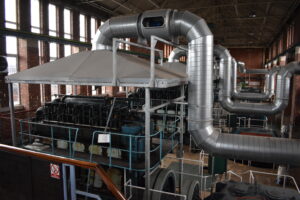
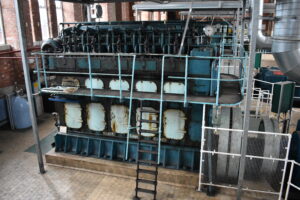
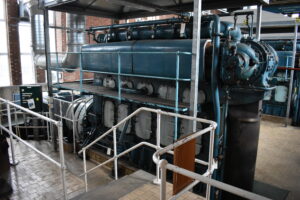

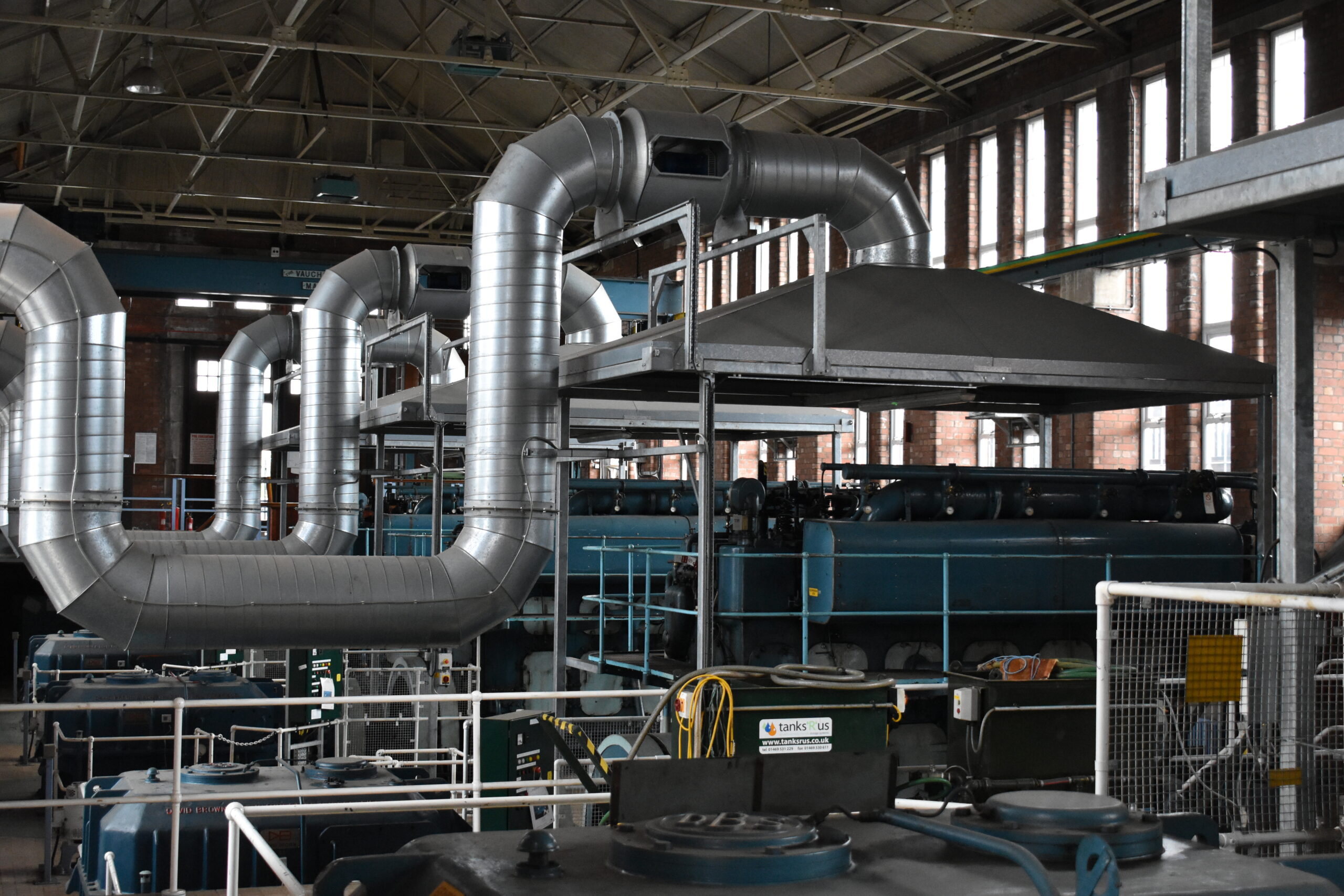
The Ruston engines

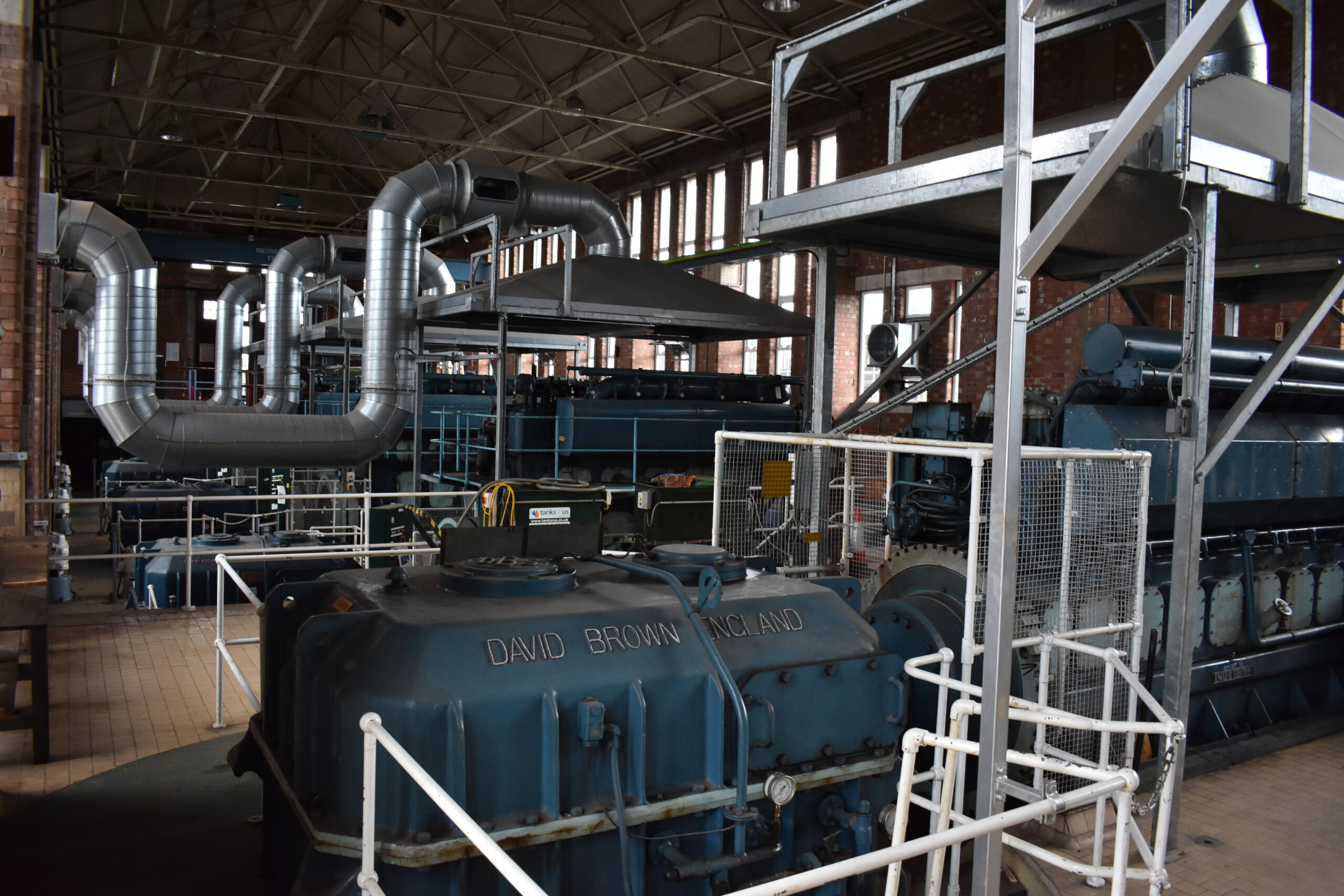
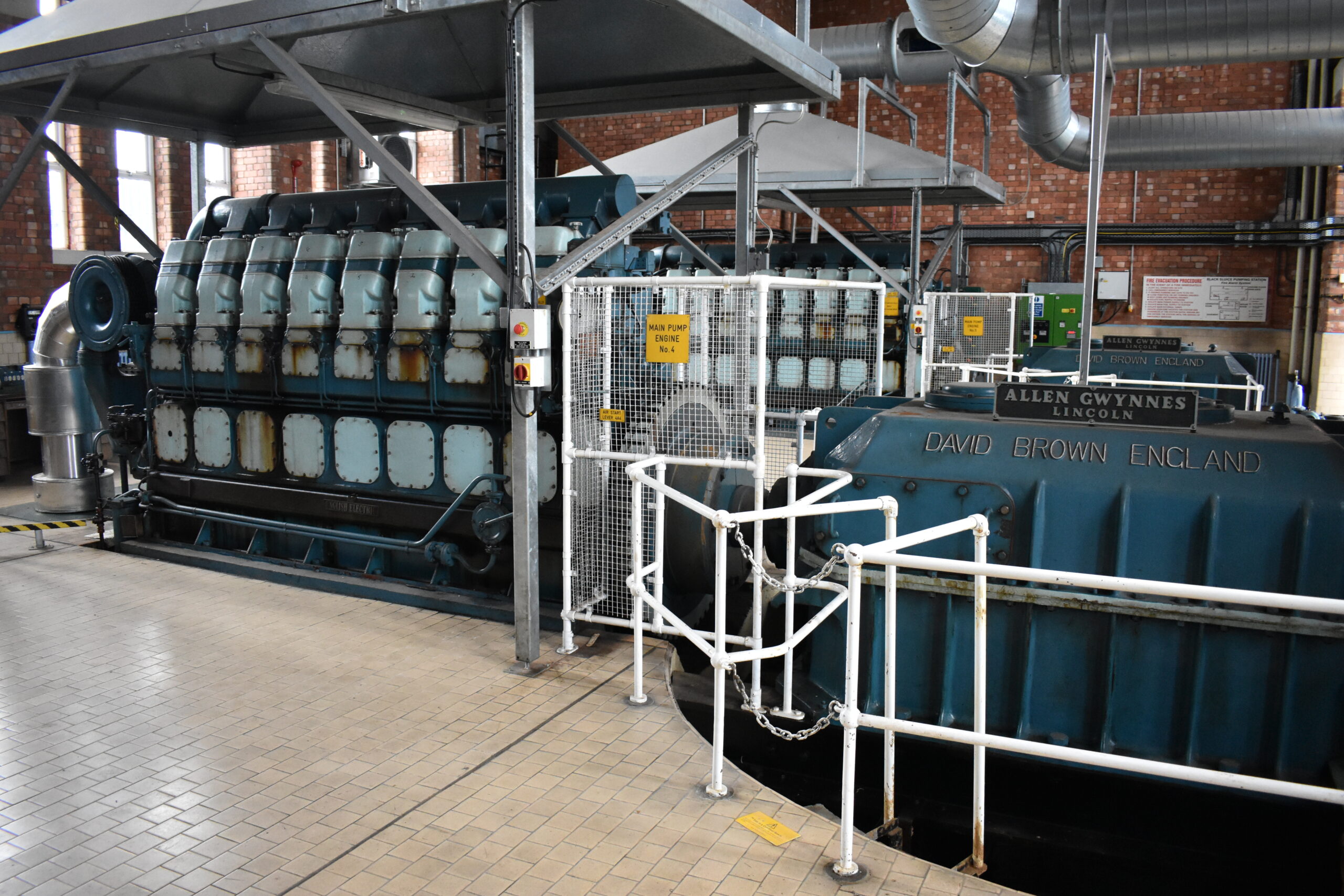
One of the David Brown gear boxes to drive the Gwynnes pumps
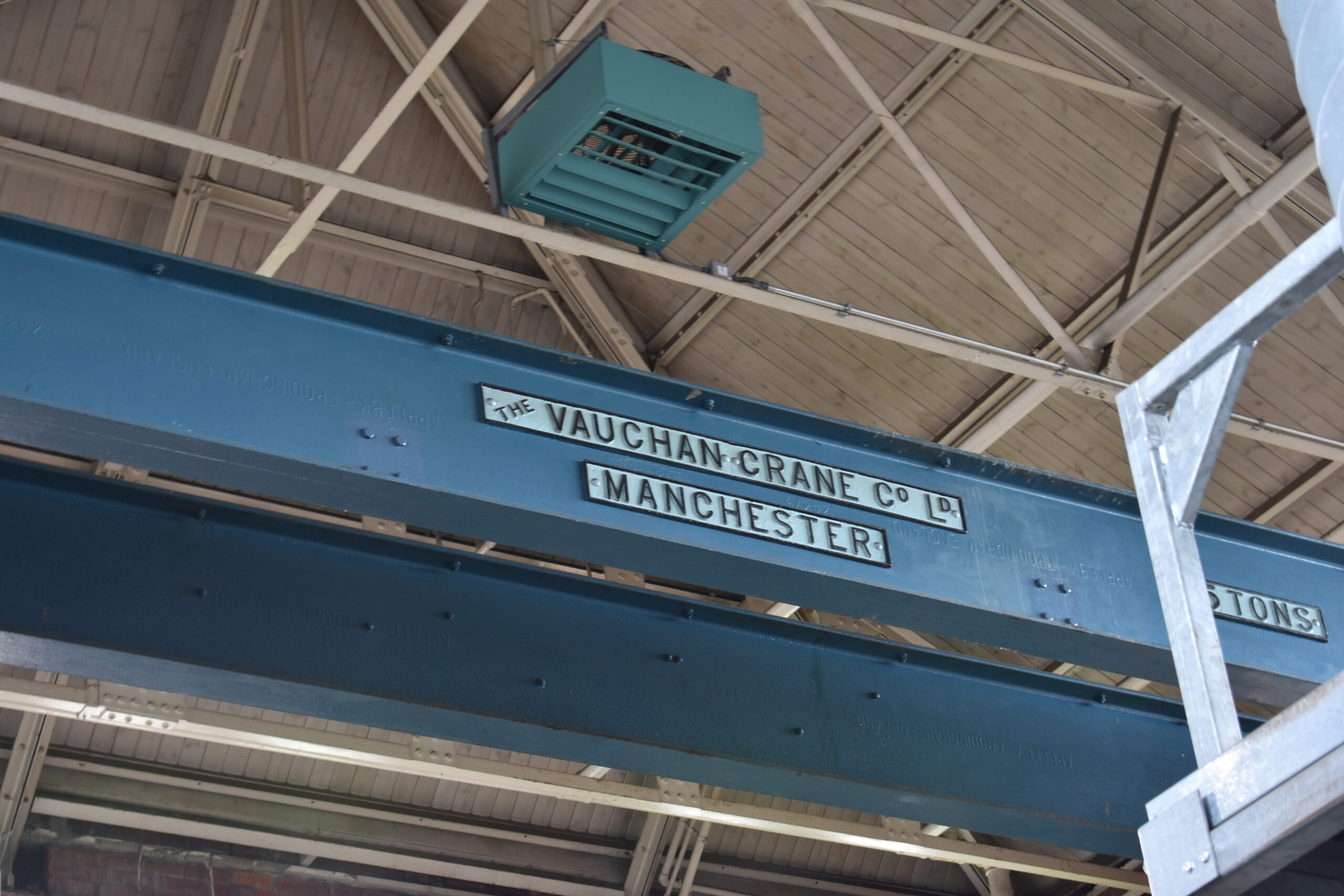
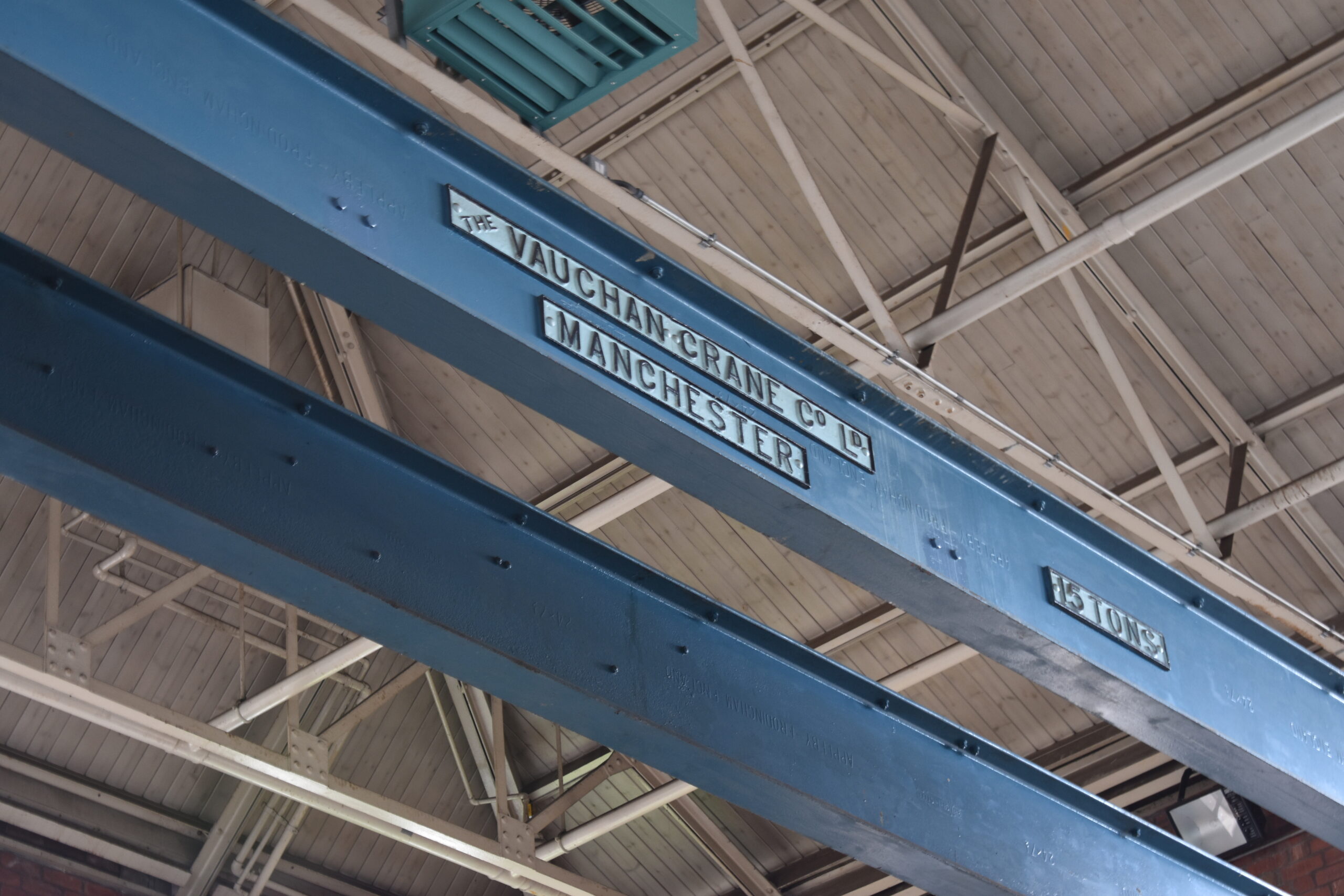
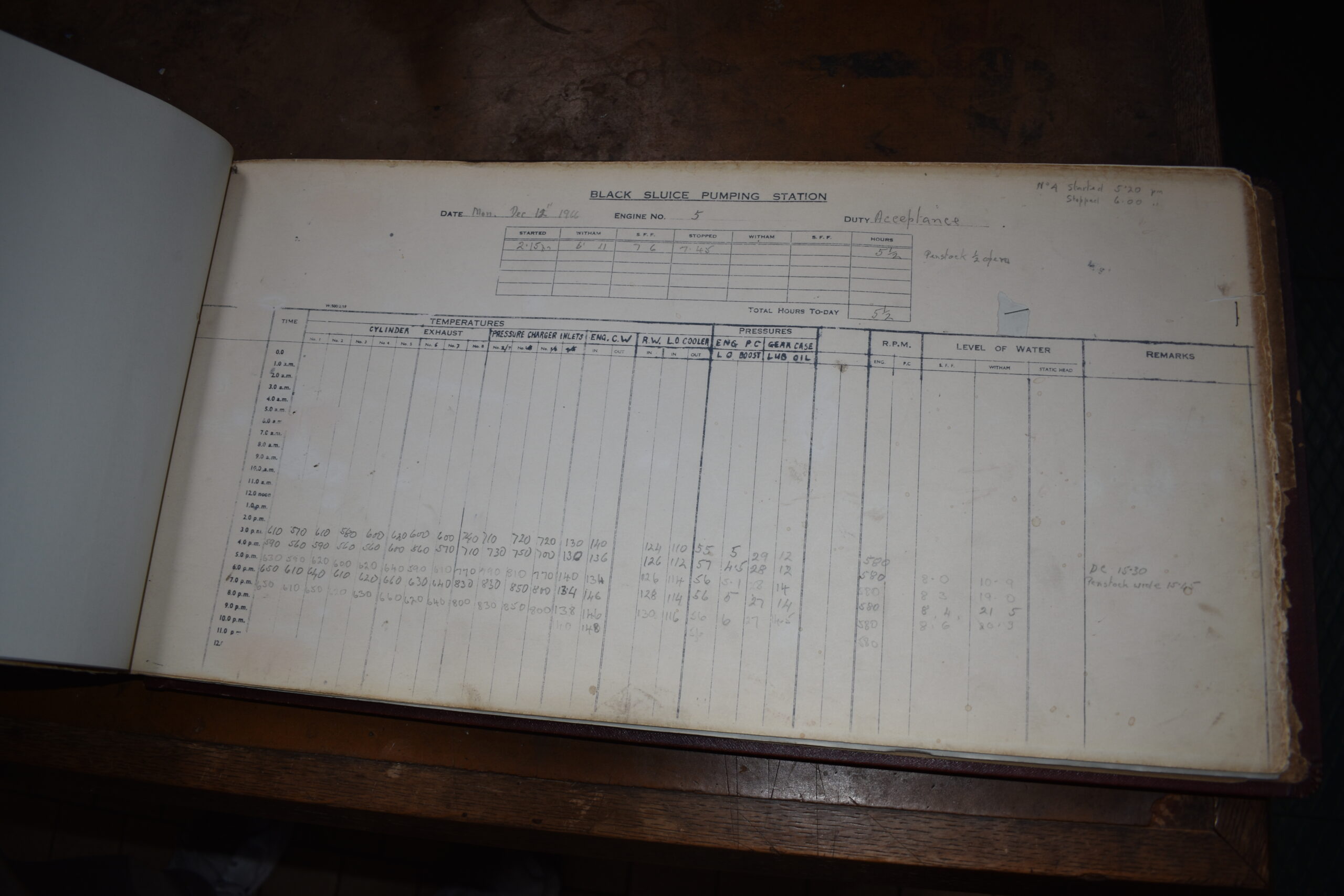
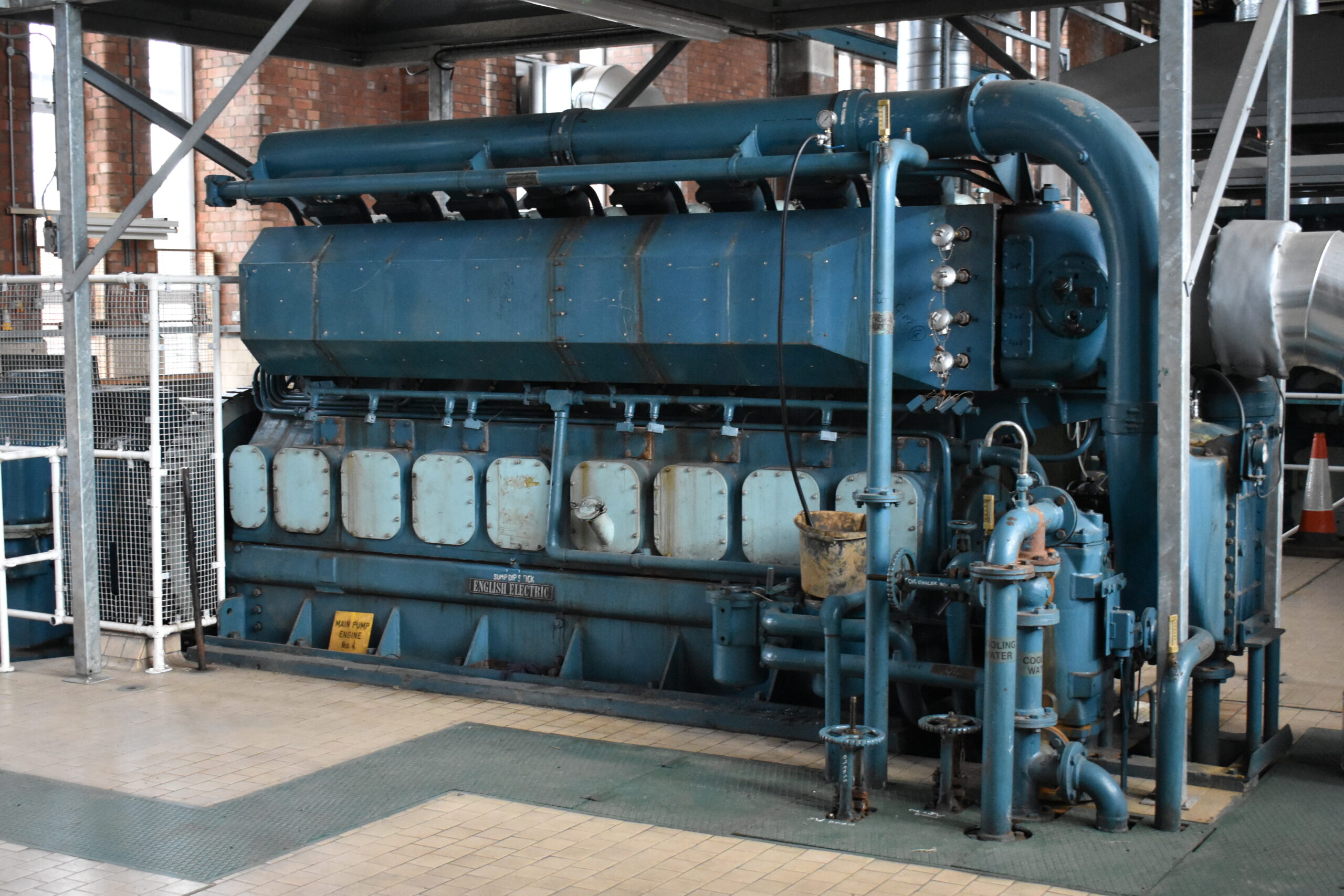
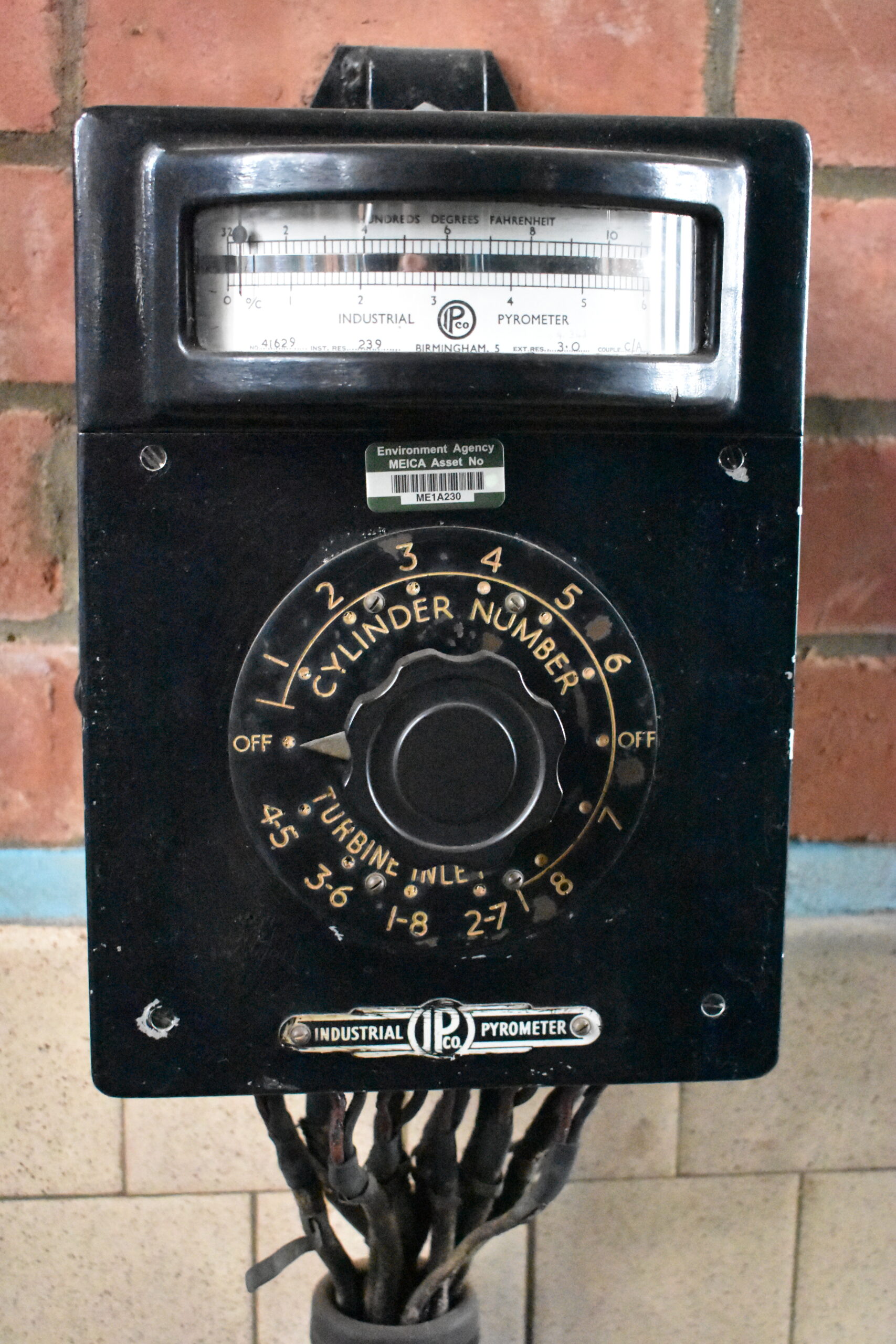
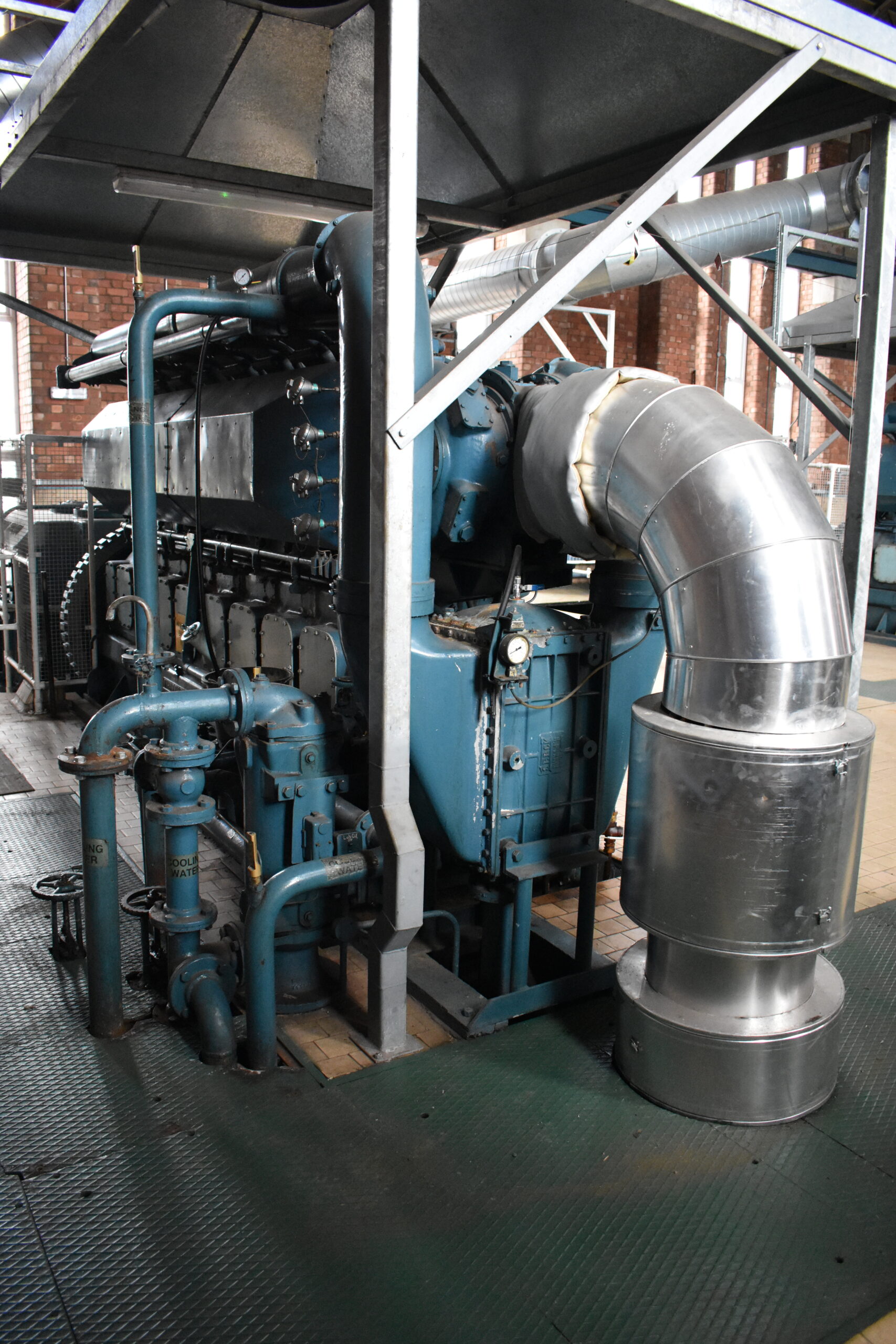
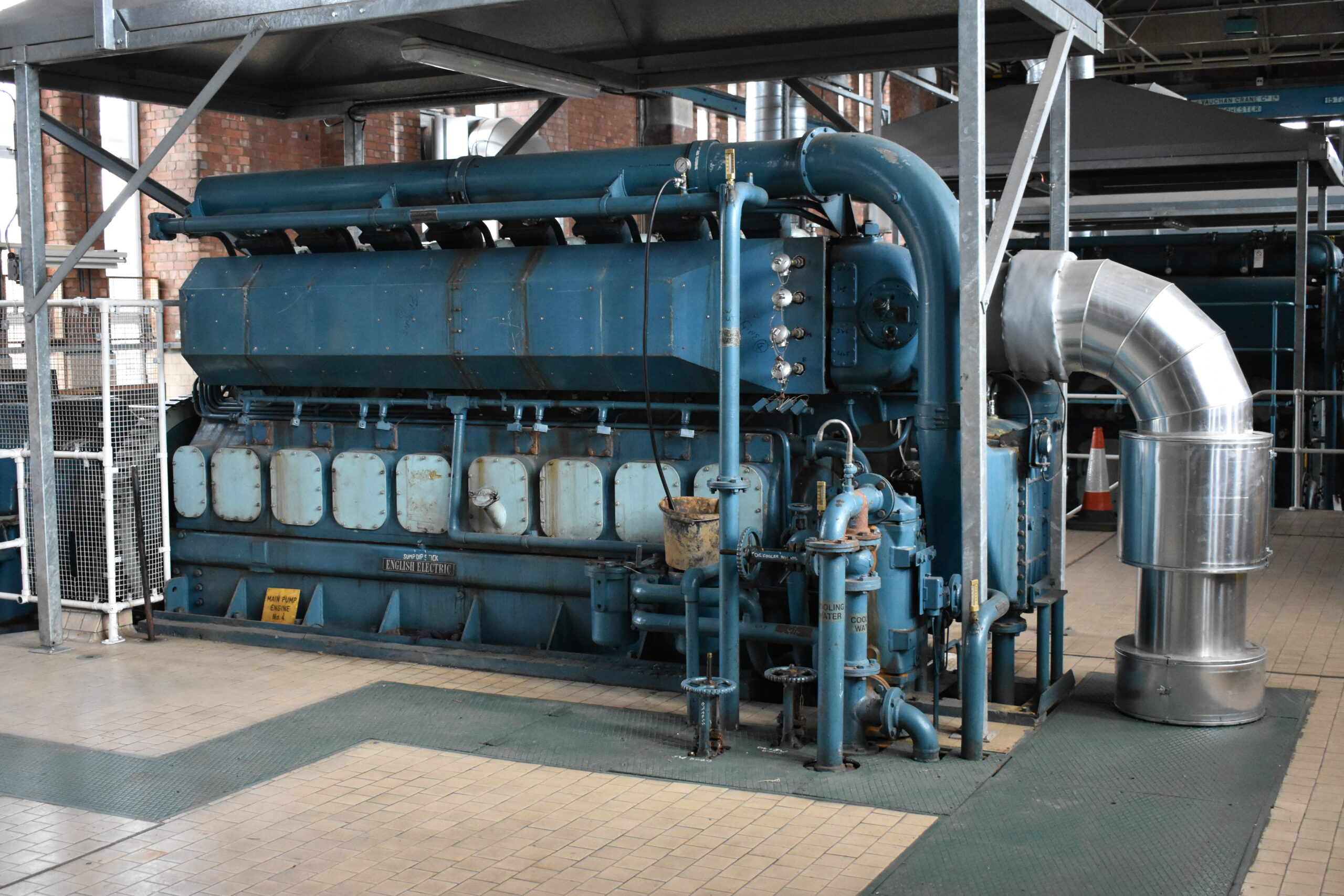
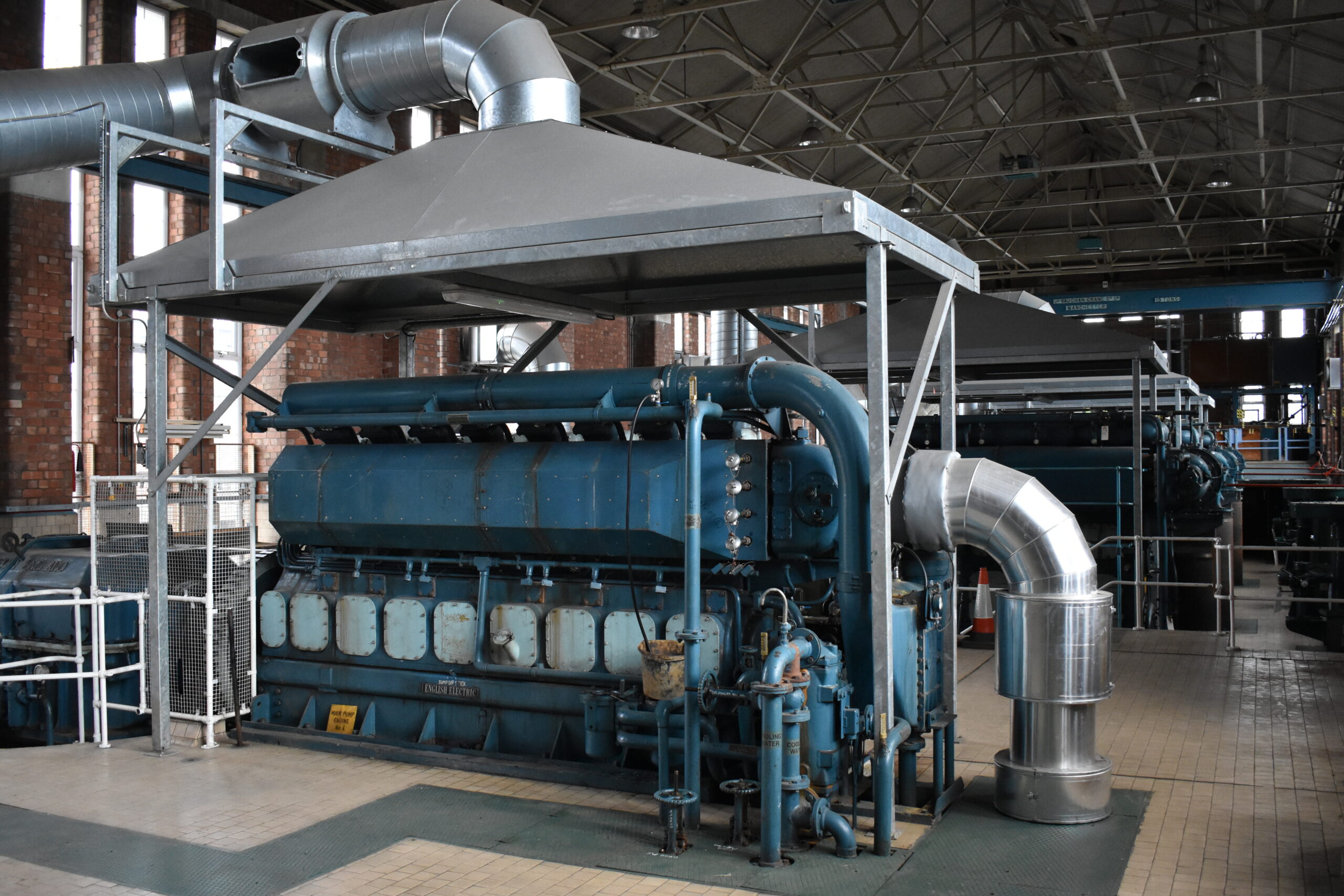
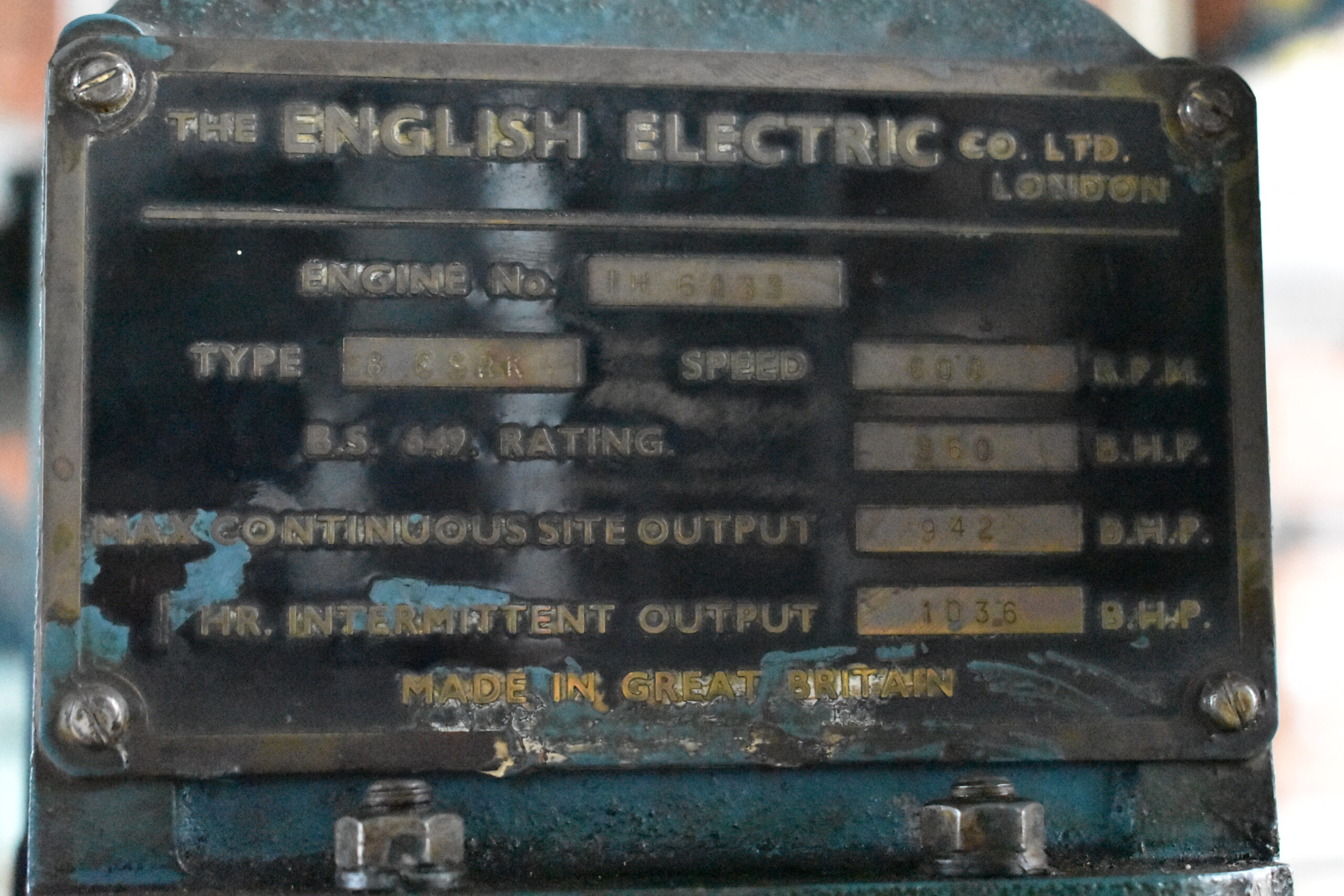
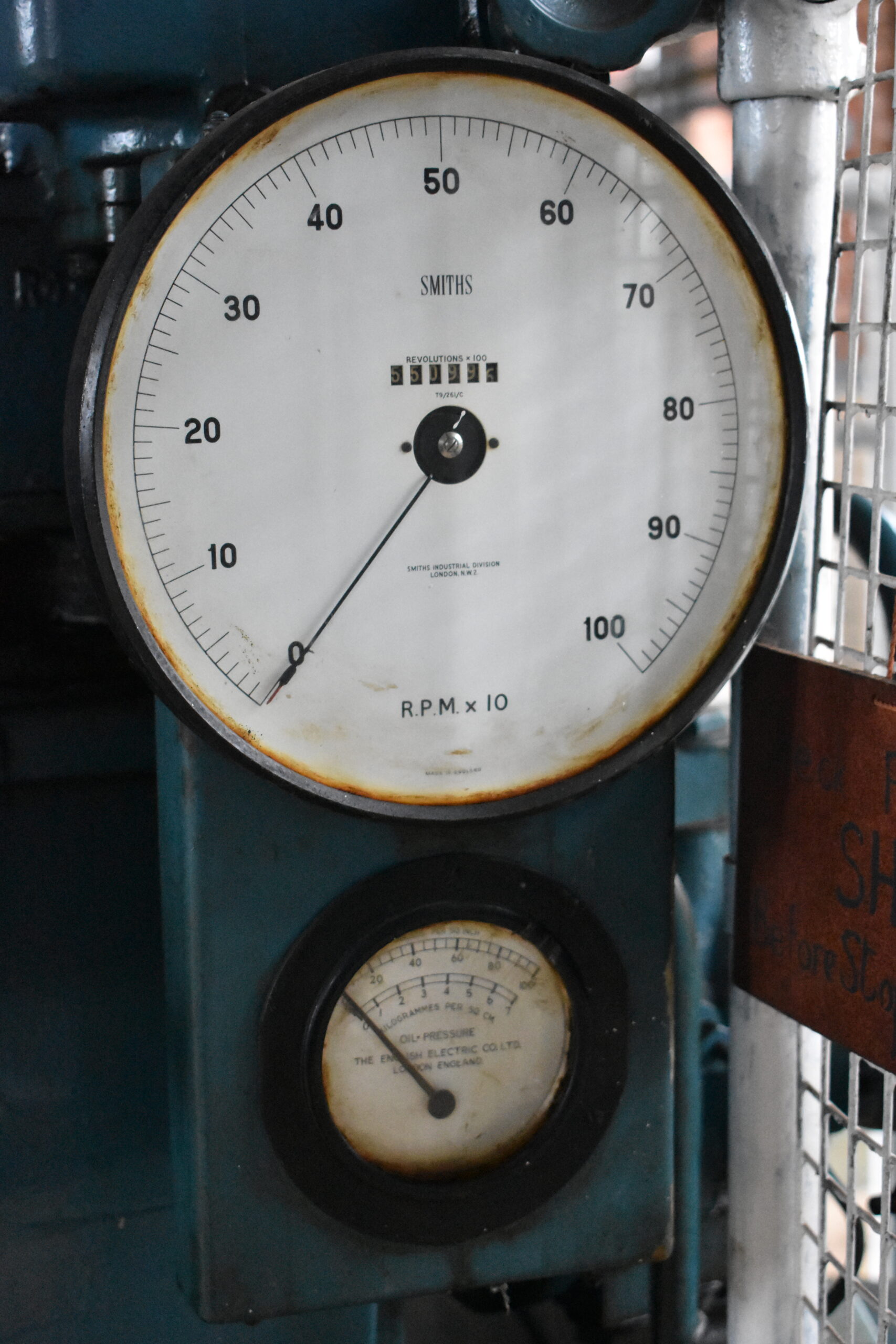
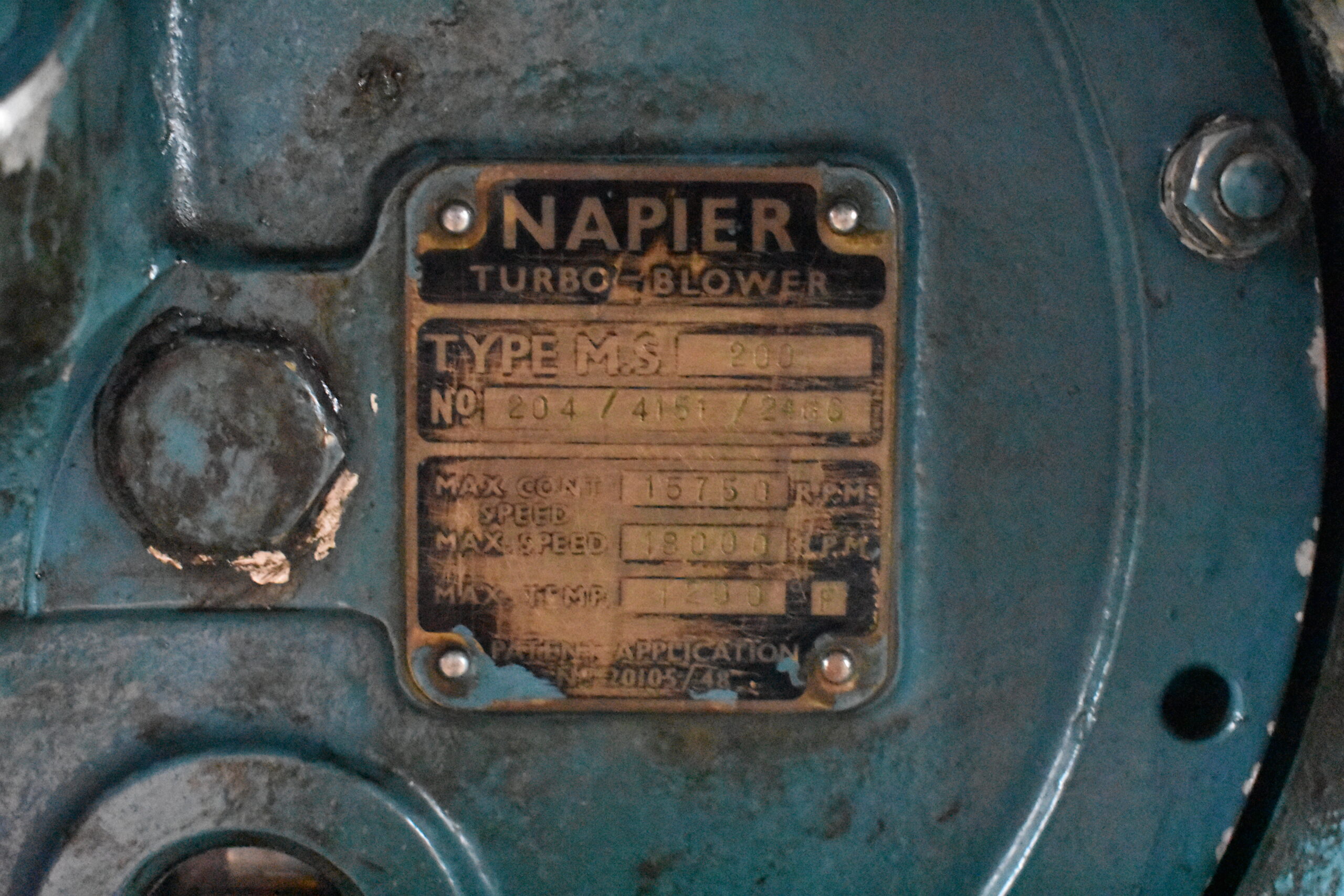
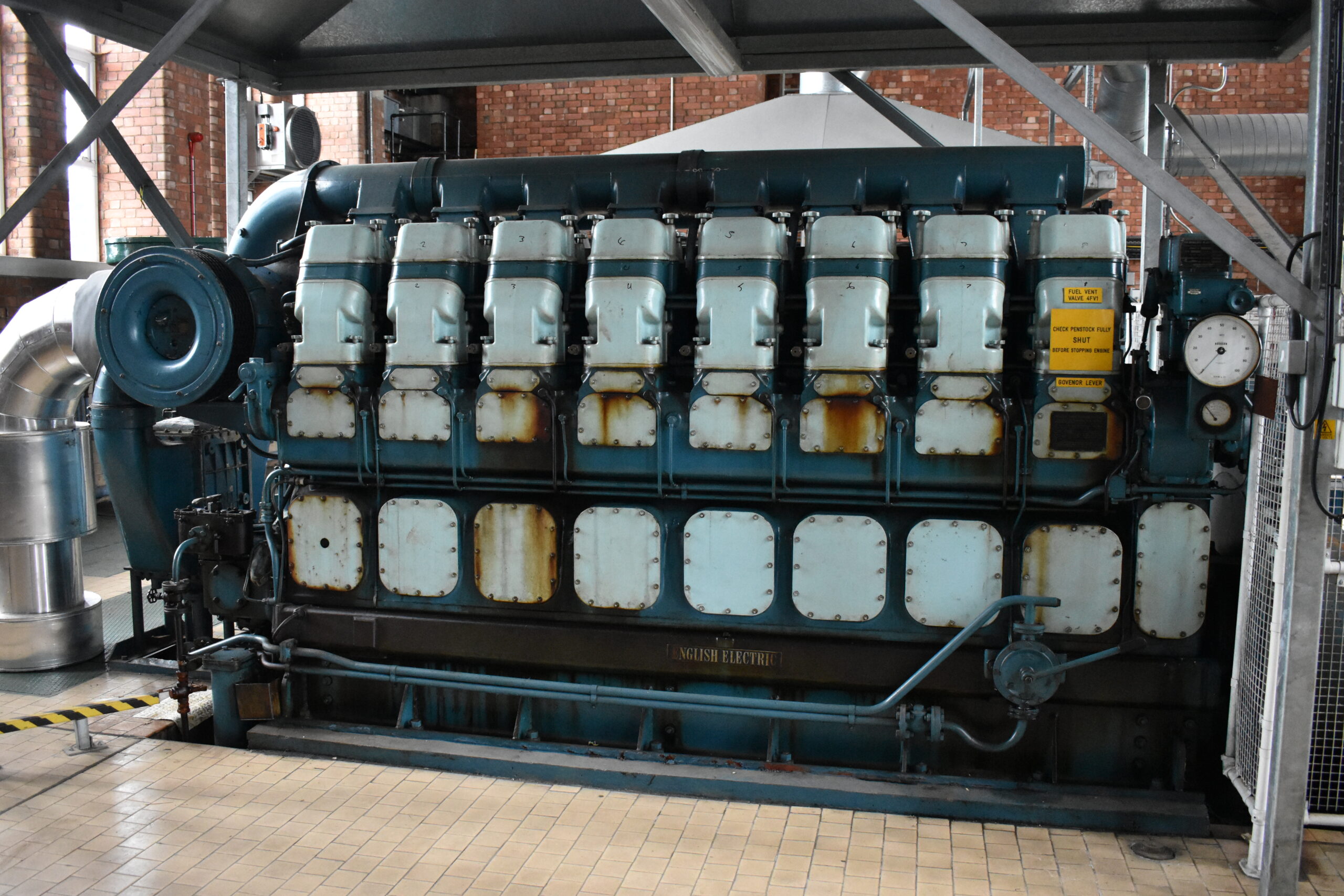
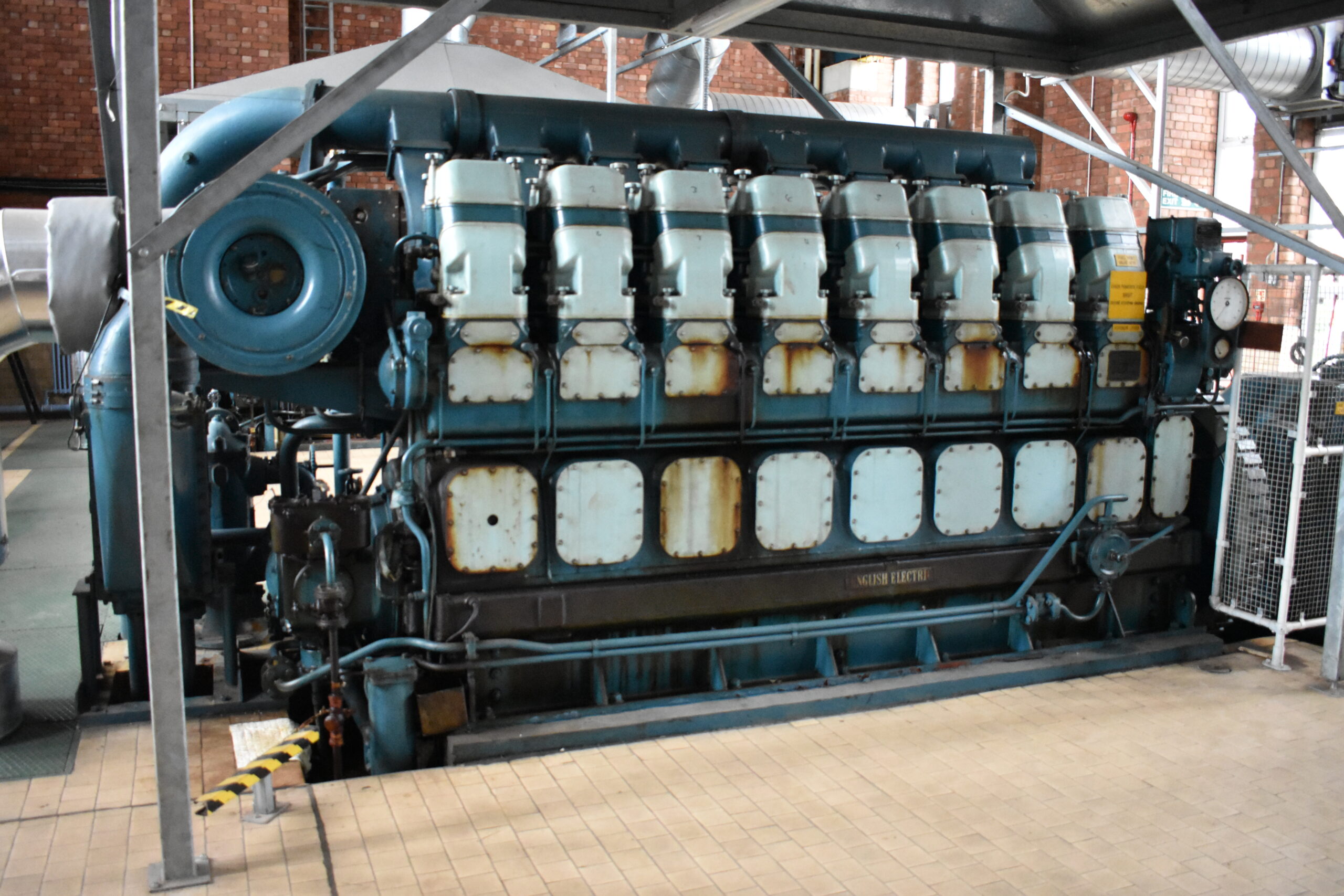
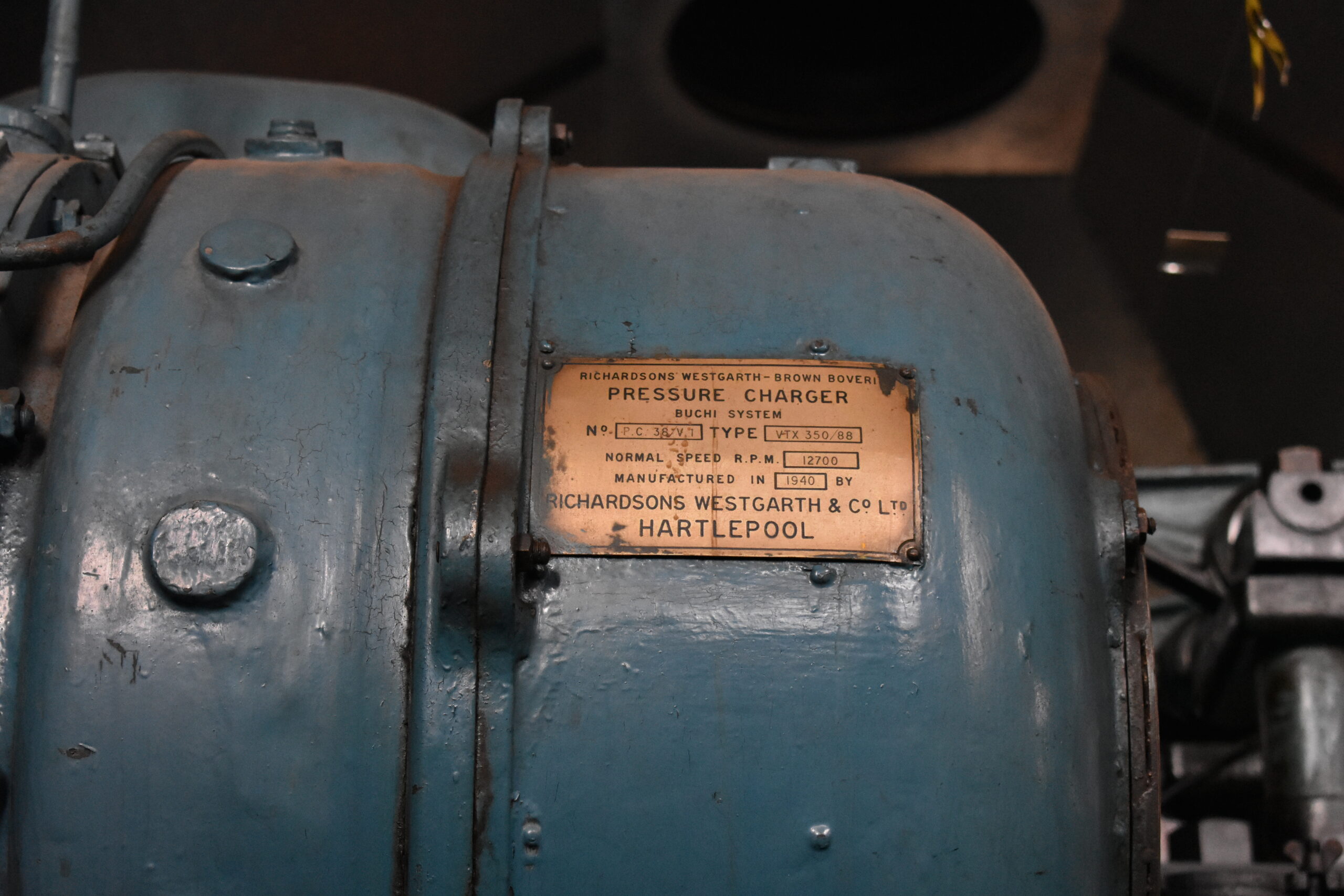
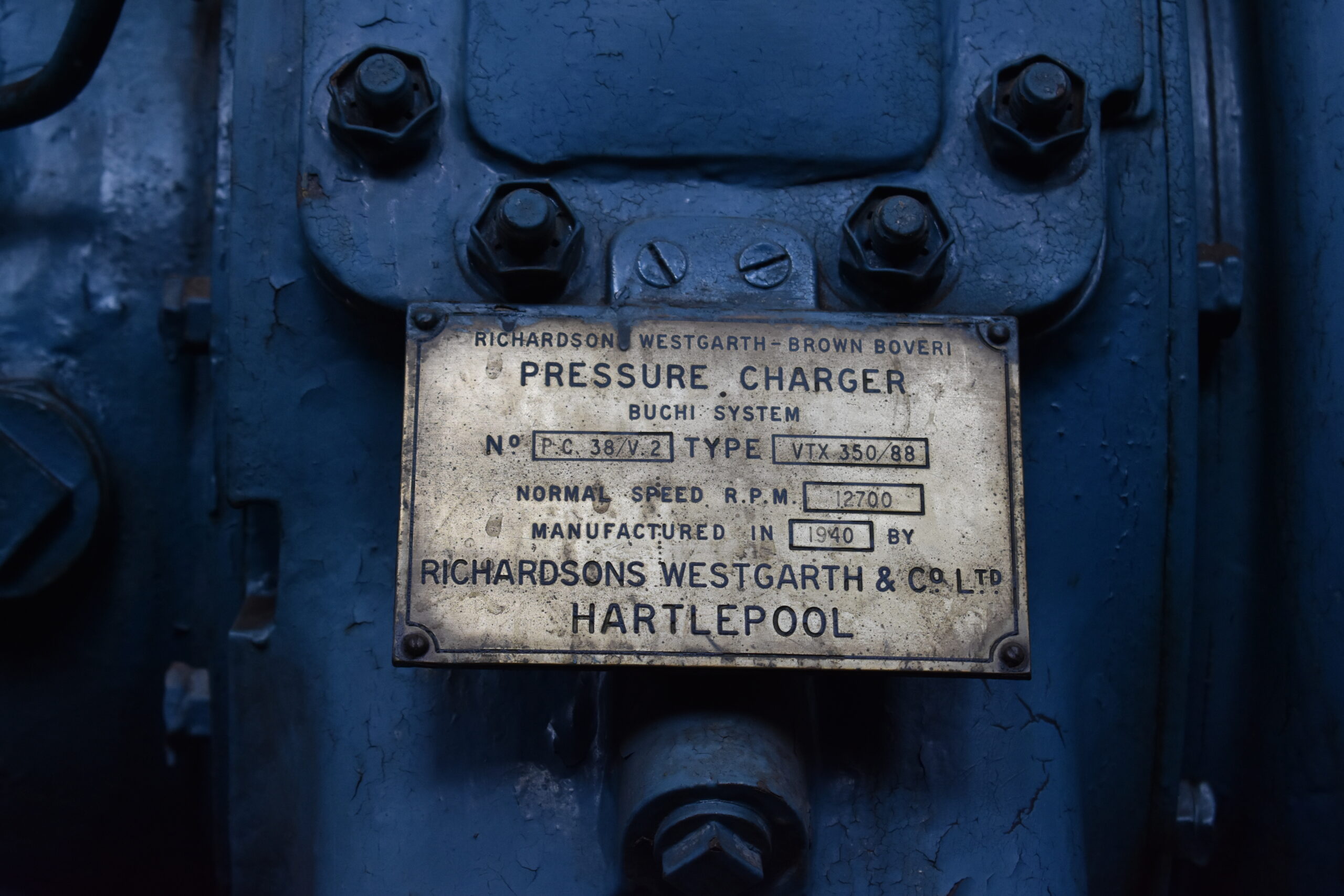
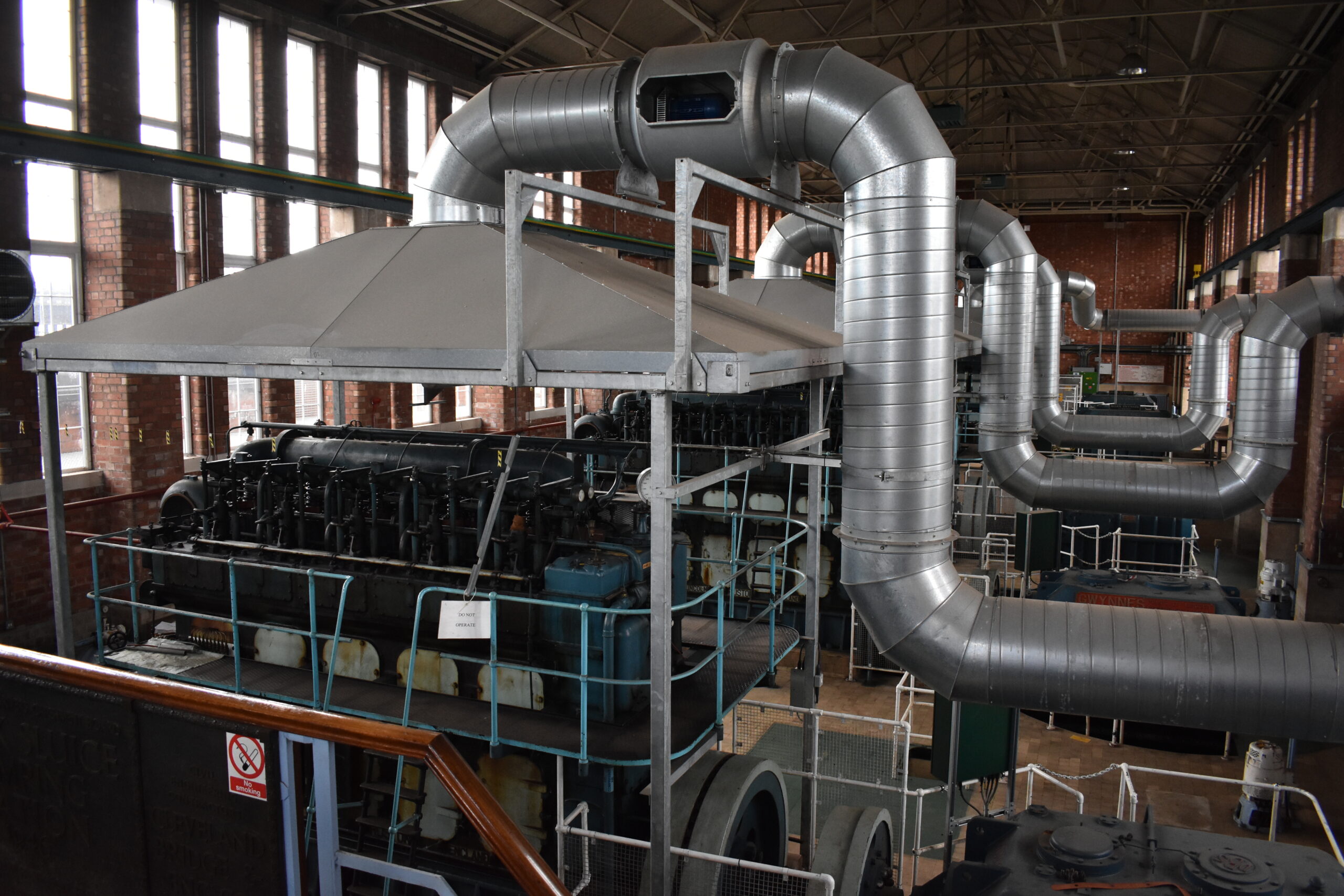
By 1964 the Black Sluice drainage board, who looked after the area surrounding the South Forty foot drain had decided to improve the drainage of the area by building twenty four new pumping stations, all of which were to discharge into the South Forty Foot, up-stream from the station at Black Sluice. To help offset the risk of flooding that this higher volume of water going into the drain would create, it was decided that as well as raising banks and other flood defences along the drain it would be necessary to increase the pumping capacity at Black Sluice. To do this the building was extended and 2 new pumps were installed, with the work reaching completion in 1966. The new pumping engines were not Ruston’s but instead came in the form of English Electric 8 CRSK’s each rated to run at 600rpm and produce 975hp. Each engine featured a Napier Turbo Charger. These new engines weighed in at 15 tonnes each and brought the total pumping capacity at the station to 60 cubic meters or 13,200 gallons per second.
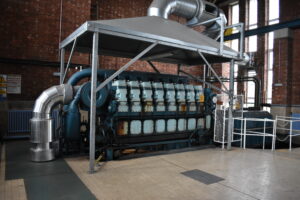
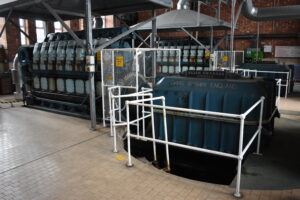

Installation of the The English Electric engines was completed in 1966
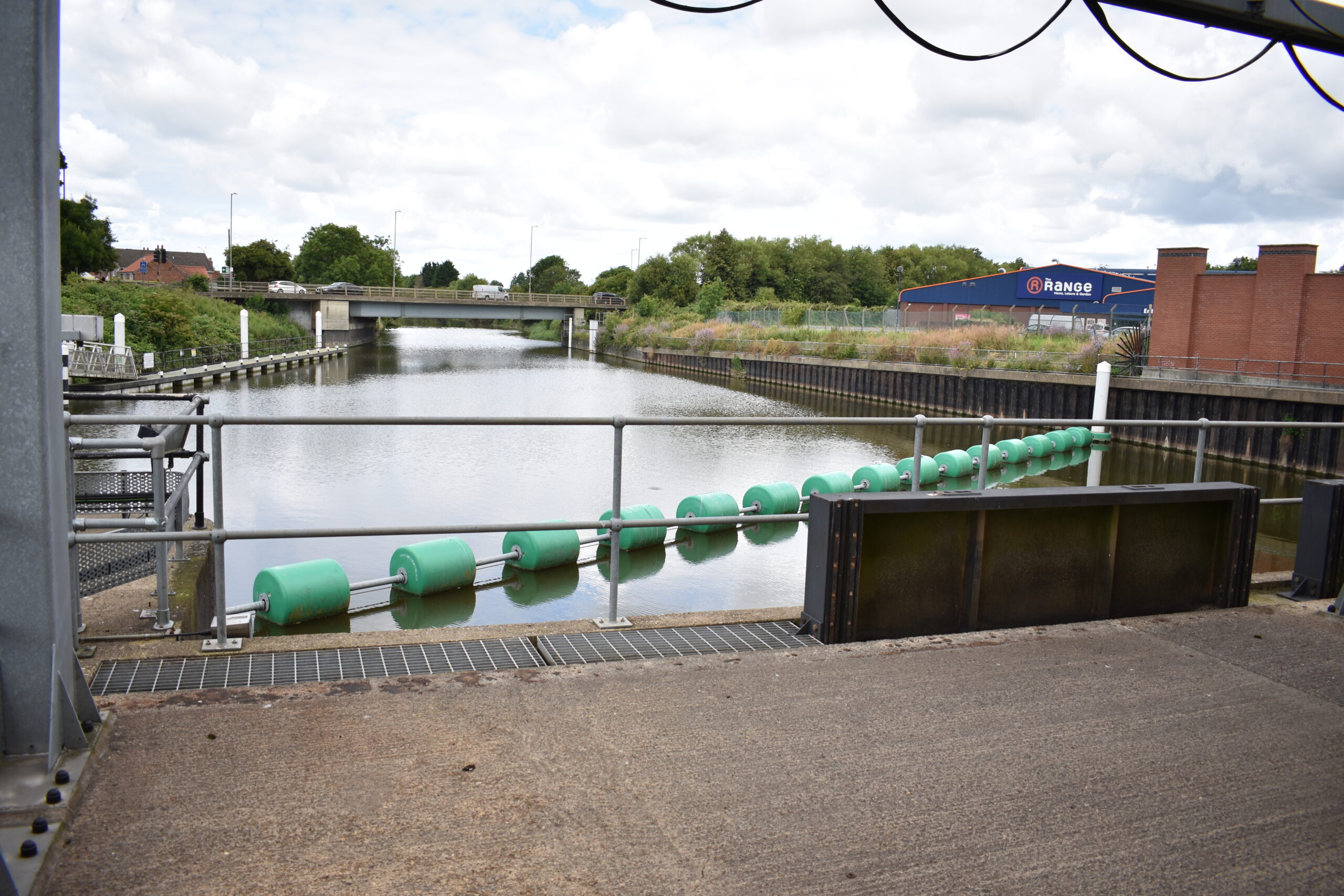
On only 3 occasions have all 5 of the pumps ever been used simultaneously, and in doing so they would use 25gallons of diesel per hour each. The fuel tank at the station holds 24,000 gallons, which would allow all 5 engines to run for a maximum of 8 days nonstop. The problem with running all of the pumps together is that they would quickly drain the area near the station, but the water could not then flow fast enough down-stream to keep up with the vacuum created. This is because a few miles upstream from the station there is a pinch point at Hubbocks Bridge where the drain narrows, due to the proximity of the village and a railway line.
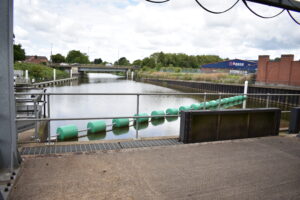
Looking west up the drain towards Hubbocks Bridge
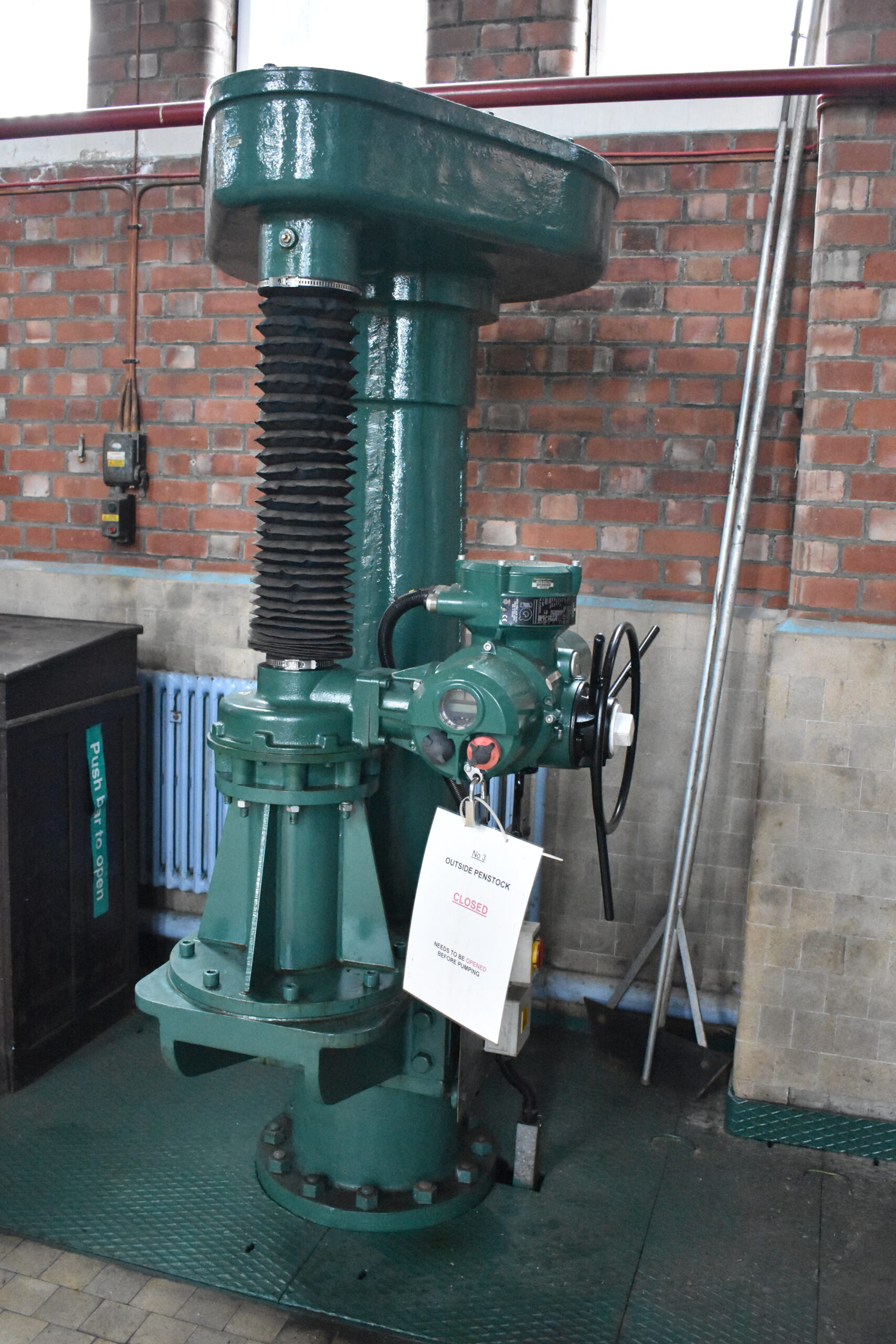
Boston suffered severe tidal flooding in December 2013 as a result of storm surge which affected large parts of the East coast of England. The station at Black sluice was amongst the buildings affected when water came up through the penstocks into the station and flooded the gear boxes coupled to the original three Ruston engines. Due to the salt water getting into the boxes, it meant that before the engines could be run again the boxes would need a full strip and overhaul. As the station gets so little use and the Environment Agency are confident that they can control the level in the drain just by using the gravity sluices, the engine house has now been completely decommissioned and the Agency are looking at ways to either preserve the site as is, or re-develop the site with various options being considered.
You must be logged in to like this post.
Country: GB